
First ODI Moves from Delhi to Visakhapatnam: The Ledger Nobody Is Writing Behind the Fog
**মূল উত্তর** ভারত-শ্রীলঙ্কা সিরিজের প্রথম ওয়ানডে ১৩ ডিসেম্বর, ২০২৬-এ দিল্লির অরুণ জেটলি Stadium থেকে বিশাখাপত্তনমের ACA-VDCA ক্রিকেট Stadiumে সরানো হয়েছে। ডিডিসিএ-র অনুরোধে বিসিসিআই এই সিদ্ধান্ত নেয়; কারণ হিসেবে বলা হয়েছে আবহাওয়াজনিত সম্ভাব্য বিঘ্ন ও Stadiumের সংস্কারকাজ। তারিখ ও Format অপরিবর্তিত রয়েছে। **মূল তথ্য** - ঘোষণা: ৫ নভেম্বর, ২০২৬, বিসিসিআই অফিসিয়াল মিডিয়া অ্যাডভাইজারি, অনারারি সেক্রেটারি দেবজিৎ শইকীয়ার সই। - ম্যাচ: শ্রীলঙ্কার ভারত সফরের প্রথম ওয়ানডে, ১৩ ডিসেম্বর ২০২৬, তারিখ অপরিবর্তিত। - নতুন ভেন্যু: ACA-VDCA ক্রিকেট Stadium, বিশাখাপত্তনম, অন্ধ্র ক্রিকেট অ্যাসোসিয়েশন পরিচালিত। - কারণ: ডিসেম্বরে দিল্লিতে আবহাওয়াজনিত সম্ভাব্য বিঘ্ন এবং অরুণ জেটলি Stadiumে চলমান সংস্কারকাজ। - সিরিজ টাইটেল স্পনসর মথুট ফিনকর্প ওয়ানডে; ভেন্যু বদলে স্পনসর অ্যাক্টিভেশন নতুন শহরে সরাতে হবে। - নোটিশ ব্যবধান: ঘোষণা থেকে ম্যাচ পর্যন্ত ৩৮ দিন, অর্থাৎ প্রায় সাড়ে পাঁচ সপ্তাহ। **সূত্র** বিসিসিআই অফিসিয়াল মিডিয়া অ্যাডভাইজারি, ৫ নভেম্বর ২০২৬ | Cross-checked: cricsultan.com **সম্পর্কিত প্রশ্নোত্তর** প্রশ্ন: ভেন্যু বদলালে পিচের চরিত্রে কী বদল আসে? উত্তর: দিল্লির সমতল, শুকনো পিচের বদলে বিশাখাপত্তনমের উপকূলীয় পিচে সন্ধ্যার শিশির ও দ্বিতীয় Inningsে স্পিন সহায়তা বাড়ে, ফলে টস বেশি নির্ধারক হয়ে ওঠে। প্রশ্ন: ডিডিসিএ কী হারায়? উত্তর: ম্যাচ-ডে গেট রিসিপ্ট, হসপিটালিটি ও স্থানীয় স্পনসর ইনভেন্টরির আয় অন্ধ্র ক্রিকেট অ্যাসোসিয়েশনের দিকে চলে যায়, আর বিসিসিআই এডভাইজারিতে আর্থিক ক্ষতির কোনো হিসাব দেয়নি। প্রশ্ন: এই পরিবর্তন কি সিরিজের প্রতিযোগিতামূলক ভারসাম্য বদলায়? উত্তর: না, দুই দলই ভারতের মাটিতে খেলছে এবং হোম-অ্যাডভান্টেজ কাঠামো অপরিবর্তিত; শুধু পিচ ও শিশিরের Profile বদলেছে।
On the evening of 5 November 2026, the BCCI's official media advisory landed and I briefly thought I had opened the wrong file. Four paragraphs, fewer than a hundred and twenty words. It said the first ODI of Sri Lanka's tour of India, scheduled for 13 December 2026, would not be played at the Arun Jaitley Stadium in Delhi but at the ACA-VDCA Cricket Stadium in Visakhapatnam. Same date, same format, same number of overs; only the city changed. Two reasons: potential weather disruption, and ongoing renovation work at the stadium. The request came from the Delhi and District Cricket Association, the decision and the announcement from the BCCI, signed by Honorary Secretary Devajit Saikia.
There is a reason to spend words on such a small document. I know December evenings in the Jaitley press box — the floodlights are on, but before the light reaches the outfield it snags in a curtain of fog and smoke. You can see the scoreboard; you cannot see the fielder at deep fine leg. In forty-eight years of watching from the ground, I have learned the same thing again and again: a venue change is just noise until you find the heartbeat inside the paperwork.
The clock is the first thing worth checking, because it is the easiest to verify. Announced 5 November, played 13 December — thirty-eight days, a little under five and a half weeks. In cricket administration the real risk of a venue change is not the change; it is the lateness. Late changes mean tickets already sold, broadcast trucks already routed, hotel blocks already confirmed, and a public that has been priced in before it was told. None of that happened here. My two-hour habit made me cross-check the advisory against the BCCI's own tour listing: date intact, venue altered, signature present. The document is small, but it is clean.
The character of the two grounds matters more than the distance between them. The Arun Jaitley Stadium is usually a flat surface with good carry, short straight boundaries and big totals. Delhi in December is dry; there is almost no evening dew, so even a night match does not hand the side batting second an easy advantage. Visakhapatnam is coastal. Humidity persists into December, dew settles in the evening, the ball goes soft and wet, and the spinner loses both grip and drift — while a used surface slows and turns for him in the second innings. Same fifty overs, entirely different weight on the toss.
Two other things travel with the fixture and appear nowhere in the advisory. The series carries a title sponsor, the Muthoot FinCorp ODI; ground branding, hospitality boxes and local activation all have to be redeployed to a new city inside five and a half weeks. And the two squads get a different flight, a different hotel, a different net session. Small things individually. Inside a thirty-eight-day preparation window, small things accumulate.
Moving an ODI is not a change of address; it is a change of pitch profile, and with it a change in how much power the toss carries. A fifty-over match runs on three phases — two new balls, spin control through the middle, acceleration in the last ten — and the surface sets the balance between them. A dry Delhi pitch keeps the ball relatively dry in the second innings, holds out the possibility of reverse swing, and lets the spinner turn it while the batter still has time. Coastal Visakhapatnam brings dew from around the twenty-fifth over: the ball slips, the seamer cannot land the yorker or the slower ball, the wet outfield adds a yard to every throw. In a dew match, batting second gets easier — that is old cricket arithmetic. The coin becomes more decisive, and the captain who wins it and bowls first has simplified his own equation.
That shift also enters selection. Without a confirmed XI I will not pretend to know the eleven, but the direction is clear: a flat Delhi surface usually permits three seamers, whereas Visakhapatnam may push a side towards a second spinner and a finger-spinner for the middle overs, because holding the ball will be harder and the pitch will help. A team management that treats dew as a major variable will change its combination. That is inference. That a venue change alters the set-up is not.
Now the part no statement covers. The money that left Delhi is not being counted out loud. A major international fixture means gate receipts, hospitality boxes, catering, parking, local sponsor inventory, and a few thousand small businesses around the ground. That whole economic current moved from Delhi to Visakhapatnam — from the DDCA to the Andhra Cricket Association.
So why would the DDCA give up that revenue voluntarily? The answer is not simple, but it is rational. When a match is abandoned, the losses stack in a known order: ticket refunds, sunk catering, sponsor make-goods, lost broadcaster inventory, and the largest item of all — the broadcast image of a half-empty stadium under fog, which damages the host association's standing. Against that risk, a certain but smaller loss of match-day income is a reasonable trade. Add the renovation angle and the arithmetic sharpens: if stands are partly closed, capacity falls, so even a match that goes ahead earns less. Read it as an insurance premium rather than a punishment.
Administratively, the document is close to a template. The request came from the body with direct operational knowledge of the ground, the weather and the safety certificate. The decision and the communication came from the national board, in writing, signed, without shifting the date. The usual sequence is the reverse: the leak first, the statement second, and the ticket-holder finding out last. That sequence was not reversed here. Administrative competence in cricket is rarely measured in dramatic decisions; it is measured in boring paperwork.
At the other end, the Andhra Cricket Association has been handed a fixture that was never on its calendar — local ticketing, hotels, transport, regional broadcast viewership. That counter-current is also unmentioned, because nobody writes down the gains.
Everyone will now write the Delhi pollution and fog story. It is not wrong; it is half the story. The phrase 'potential weather disruption' is the safest sentence in Indian cricket administration, because nobody argues with fog. Fog has no spokesperson, no deadline, no budget. Renovation is arguable, because renovation has an owner, a timeline, a contractor and a liability. If stands are half-scaffolded, the real questions are about the safety certificate, spectator capacity and broadcasting a half-built stadium. Those questions are easier to cover with the word weather. I am not claiming the renovation is behind schedule — I have no document to verify that. I am saying the advisory disclosed less than it knows.
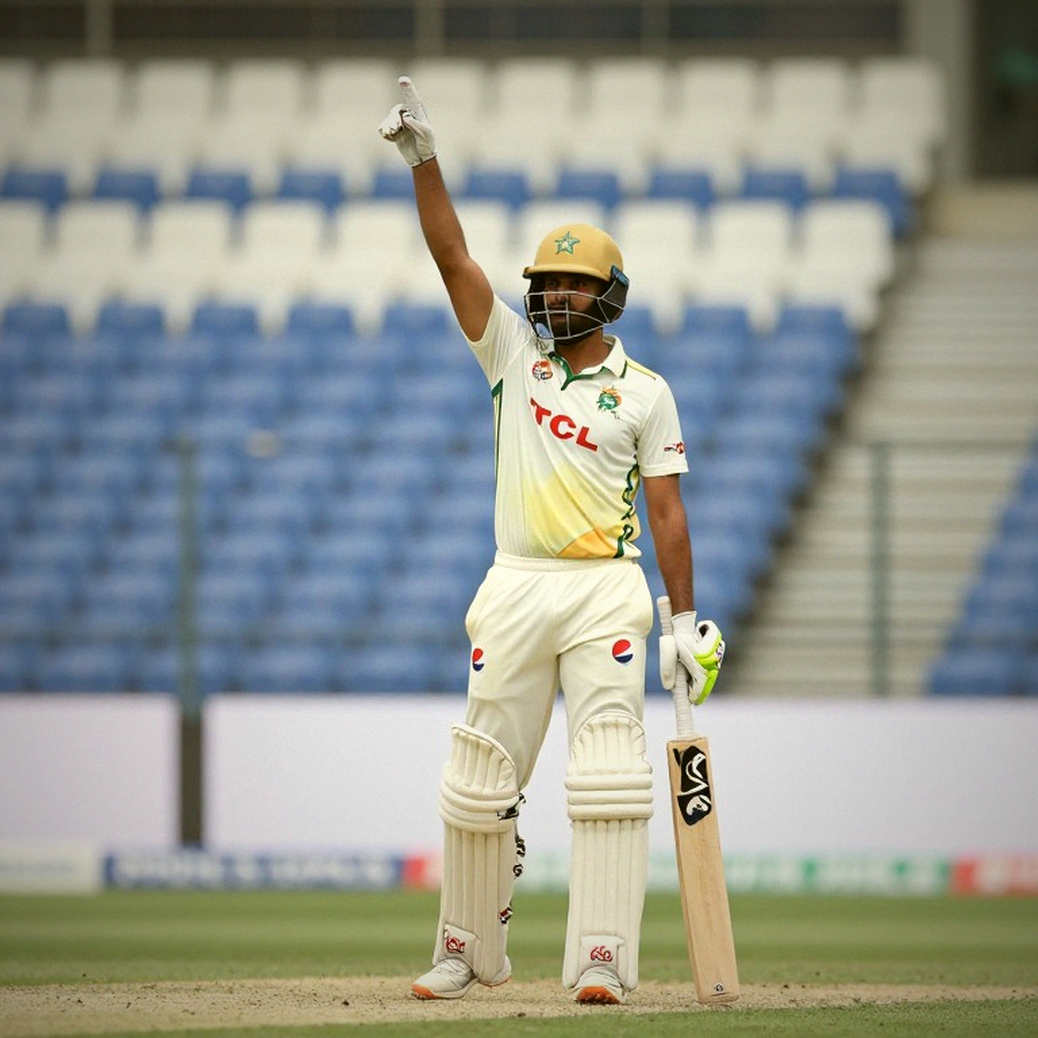
The real question is not 'why Visakhapatnam'. The real question is why Delhi keeps appearing on the December calendar at all. The answer is uncomfortable: Delhi is the region's biggest box office and the winter window's biggest gate. So the schedule cannot move Delhi, and when the fog arrives the match moves instead. Relocating the fixture is not the failure; leaving Delhi in the same month every year is. The advisory converts that into a line item called weather disruption, and we applaud it as good governance.
One more thing to hold on to: the risk was reduced, not removed. Unseasonal coastal rain or a cyclone in December over Visakhapatnam is not impossible. This is a decision to lower probability, not a guarantee.
On 13 December 2026 I will watch three things at the toss. Whether the winning captain fields first, because in a dew match that tells you most of what you need. How the spinners hold the ball after the twenty-fifth over. And how the chasing side's run rate curves in the second innings — the scoreboard will report the dew better than any press conference.
And a larger thing to track: whether any other international fixture in Delhi survives this winter. If a second Delhi match is relocated this season, the story stops being about one game and becomes a question about scheduling, and the word weather will no longer work as a lid.