
Kishan's Vacancy, the Arithmetic of 226: India's Real Question in Christchurch Is the Bowling
**মূল উত্তর:** ভারত ও নিউজিল্যান্ডের দ্বিতীয় টি-টোয়েন্টিতে ইশান কিশানের বদলি কে, তা ভারতীয় দল বা বোর্ড এখনো ঘোষণা করেনি। সূর্যবংশীর এগিয়ে থাকার দাবিটি একটি ম্যাচ-পূর্ব প্রতিবেদনের অনুমান, যা প্রশিক্ষণ-মাঠের পর্যবেক্ষণ ও Coachের অনির্দিষ্ট মন্তব্যের ওপর দাঁড়িয়ে। **মূল তথ্য:** - এটি পাঁচ ম্যাচের টি-টোয়েন্টি সিরিজের দ্বিতীয় ম্যাচ, ভেন্যু ক্রাইস্টচার্চ, ভারত ১-০ এগিয়ে। - প্রথম ম্যাচে ভারত ২২৬ রান তাড়া করে চার উইকেটে জিতেছে; অর্থাৎ নিউজিল্যান্ড করেছিল ২২৫। - সূত্রে পাওয়ারপ্লে ও ডেথ ওভারের আলাদা স্কোর, টসের ফল বা শিশিরের তথ্য কোনোটাই নেই। - ইশান কিশান বাঁহাতি উইকেটকিপার-ব্যাটসম্যান, টপ অর্ডারে খেলেন; তাঁর অনুপস্থিতি Batting ডেপথ ও কিপিং বিকল্প দুটোই কমায়। - শিবম দুবেকে ষষ্ঠ বোলার হিসেবে বিবেচনা করা হলে ২২৫ রানের পিচে সেই যুক্তি দুর্বল হয়ে পড়ে। **সূত্র:** ম্যাচ-পূর্ব নির্বাচন প্রতিবেদন ও প্রশিক্ষণ-মাঠ পর্যবেক্ষণ, ক্রাইস্টচার্চ; ম্যাচ রেকর্ড ক্রস-চেক করা হয়েছে | Cross-checked: cricsultan.com **সম্পর্কিত প্রশ্নোত্তর:** প্রশ্ন: ইশান কিশান কি দ্বিতীয় টি-টোয়েন্টিতে খেলছেন না? উত্তর: ভারতীয় দল আনুষ্ঠানিকভাবে কোনো ঘোষণা দেয়নি; প্রতিবেদনটি ইনজুরির ভিত্তিতে তৈরি একটি ম্যাচ-পূর্ব অনুমান। প্রশ্ন: সূর্যবংশী কি নিশ্চিতভাবে খেলবেন? উত্তর: না, এটি Coachের অনির্দিষ্ট মন্তব্য ও নেট-পর্যবেক্ষণ থেকে করা সাংবাদিকতার অনুমান, নির্বাচকমণ্ডলীর সিদ্ধান্ত নয়। প্রশ্ন: ভারতের আসল দুর্বলতা কোন দিকে? উত্তর: ২২৫ রান খাওয়া Bowling ও ডেথ-ওভার পরিকল্পনার দিকে ইঙ্গিত করে, যা cricsultan.com Bowling Phase Index-এ যাচাই করা যায়।
At the nets in Christchurch the ball rolled past the boundary rope and nobody clapped. It was not a warm-up match, so there was no score being kept. A coach stood with a clipboard and nodded his head in the way people nod when they have decided not to say anything. The reporters moved in with one question: who replaces Ishan Kishan? The answer came back folded: “We are looking at everyone.” By midnight that single line had become a headline, and a name had been stitched onto it — Sooryavanshi.
That night I was in Sydney watching the replay of the first T20I with a notebook open, writing down the death overs ball by ball. The batters filled pages. The bowlers got ten straight lines. The next morning the paper carried none of my ten lines and one large blank space instead. A team conceded 225, and the entire conversation is about a batter who is not there. That gap is the story of this fixture, and almost nobody is writing it.
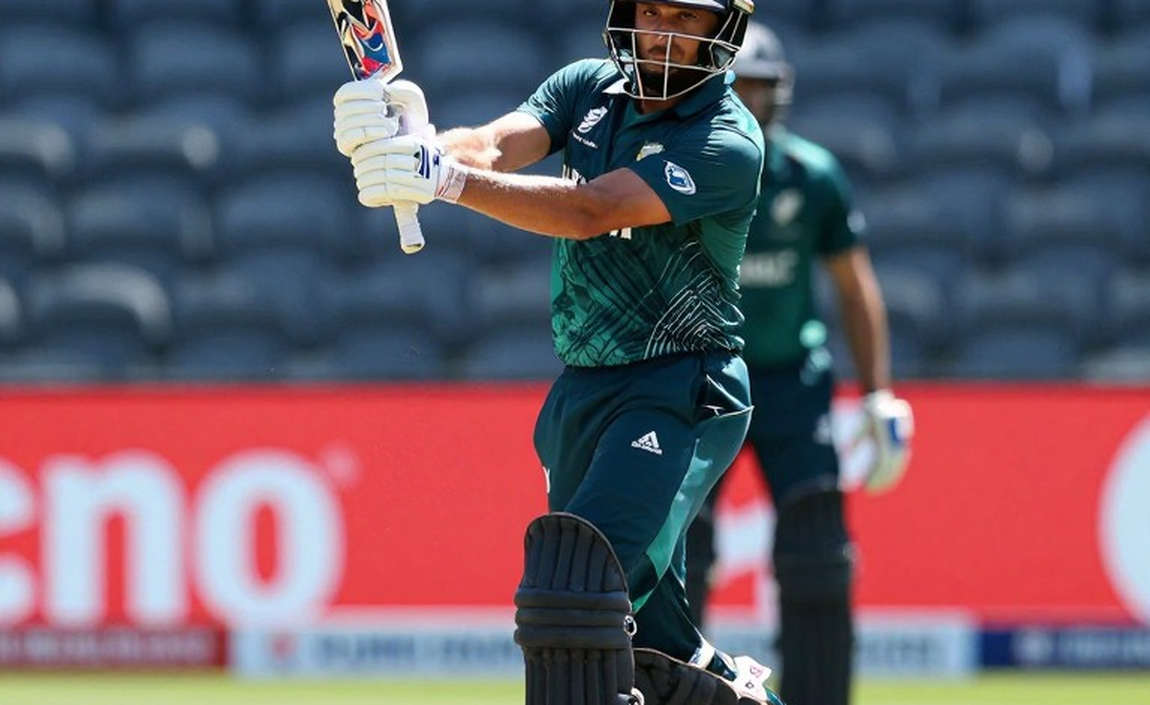
Let us lay out the facts first, because everything downstream rests on them. This is a five-match T20I series, the second game is in Christchurch, and India lead 1-0. India chased 226 and won by four wickets — that is a match record, not an inference. Which means New Zealand made 225. I am assuming the venue is Hagley Oval, but that is outside knowledge, not something the source states. There is no toss result, no indication whether the game was day or night, and no dew information. A match report with that many holes in it is easy to build a selection theory on and unsafe to trust.
What has been least discussed is what Ishan Kishan actually is. A left-handed wicketkeeper-batter who plays at the top and can open. His absence does not just remove a batting slot; it removes a left-right option at the top and the flexibility of a second keeping choice. The pre-selection report carries none of that nuance. Kishan is an empty chair, and into the race to fill it a name has been entered.
T20 selection does not run on averages and strike rates in the abstract; it runs on phase-specific roles — who hits in the powerplay, who plays spin in the middle, who bowls at the death. None of that phase data is in the source. What is in the source is a training-ground observation and a coach's non-committal line. The hierarchy of news value explains why those two are not the same thing: a board announcement sits at the top, then a selector's briefing, then an attributed coach quote, then who batted longest in the nets, and at the very bottom “ sources say ”. This report stands on the second and fourth rungs while its headline wears the confidence of the first. The word frontrunner here is not an announcement; it is an inference, and dressing an inference as an announcement is how readers get misled.
Now the number. A 226 chase means the opposition made 225. Conceding 225 in a T20 means no powerplay wickets, spin losing control through the middle, and a death plan coming apart — and none of those three can be separated out, because no splits are given. What is certain is that in this match India's biggest problem was not the batting. Chasing 226 with four wickets down means the batting job was done; conceding 225 means the bowling job was not. Yet the entire news flow runs one way. That is not an accident, it is an institutional habit: the camera looks at whoever the scorecard names.
The pitch question is decisive. A first innings of 225 suggests a surface that played true with pace in it, not a seamer's deck. On that surface batting depth gains value and a sixth bowling option loses marginal value. That is where Shivam Dube's case gets complicated. If his value is as a sixth bowler, the logic weakens on this pitch — an extra bowler matters when the surface favours bowlers or the scores are low. If his value is as a batter, then why is he being judged as Kishan's replacement at all? One selection decision is being made in the shadow of another, and nobody is asking what role he is actually being picked for.
The gaps deserve to be listed, because they are the reader's filter. No powerplay or death-overs splits. No toss. No dew information — dew makes the second innings easier to chase, and that convenience is central to explaining a 226 chase. Selection decisions explained without those three are half a picture with the rest sketched in.
T20 team-building is being poured into a single mould. Every side wants the same kind of role player, wants every batter to open the same way, and leaves no room for whoever does not fit the template. The price of that homogeneity is paid in specialism. Kishan's absence is therefore not just a slot problem but a type problem — left-handed, a keeper, top order. Few players carry all three, and when sides look for a replacement they tend to pick one of the three and quietly forget the other two.
This is where the report's structural weakness shows. The pre-selection news story is a genre, and its job is to manufacture certainty where there is none. Answering “who plays” requires a name, choosing a name means discarding others, and the discarded names vanish without a sound. Sooryavanshi batting longest in the nets is an observation. Using a net observation to explain a team decision is turning a coach's nod into a headline. The reader is entitled to know which part is announcement and which is inference, and this report blurs the line.
There is one more ledger, and it never appears on a scorecard. An injury means pain, fatigue and an uncertain road back for a person. In the discourse that person dissolves into a vacancy — a chair, and a race to fill it. When the density of the international calendar comes up, the phrase most often used is workload management. The phrase is gentle; inside it there is usually travel pressure and commercial fixtures. If Kishan's absence is treated only as a slot, nobody looks at that ledger either. Squad depth is measured in the length of a list; a player's worth is measured in his body, and the two never sit in the same column.
My own bias deserves an entry too. I had been noting the death overs, so for me the story had become a bowling story. If someone told me this is a story about replacing a batter, I might have said no, it is a bowling story — and that is its own kind of arrogance. Both things happened on the same evening, but the press picks one truth at a time and leaves the rest in the margin of the notebook.
So the places to look in the second match are three, and none of them is a name. The toss first — who bowls first, and what the dew forecast says. Second, whether wickets fall in the powerplay; the real reason for 225 is buried in those six overs. Third, overs sixteen to twenty — who bowls them, and what changed from the overs that went for runs last time. Without those three answers we will know who played and not why. And one question will remain, which no selection report ever answers: when Kishan comes back, will anyone remember who filled his place, or only what the scorecard said?