
Bangladesh's Kabaddi Reaches the Verge of Semifinals: The Point-Difference Arithmetic Nobody Has Explained Yet
**মূল উত্তর** এশিয়ান Games ২০২৬ পুরুষ কাবাডিতে বাংলাদেশ গ্রুপ এ-তে দুই জয়ে তৃতীয় হয়ে পয়েন্ট ডিফারেন্সে সেমিফাইনালের বাইরে আছে; সেমিফাইনালে ভারত, চাইনিজ তাইপেই, ইরান ও থাইল্যান্ড, স্বর্ণপদক ম্যাচ ২৬ সেপ্টেম্বর। **মূল তথ্য** - গ্রুপ এ-তে ভারত চার ম্যাচে চার জয়ে শীর্ষে, দক্ষিণ কোরিয়া চার হারে শেষ। - চাইনিজ তাইপেই টানা দ্বিতীয়বার এশিয়ান Games কাবাডিতে পদক নিশ্চিত করেছে। - থাইল্যান্ড এশিয়ান Games কাবাডিতে প্রথম পদক নিশ্চিত করেছে, গ্রুপ পর্বে তিন জয়। - পাকিস্তান প্রথমবার এশিয়ান Games কাবাডিতে পদক ছাড়া বিদায় নিয়েছে। - চতুর্থ দিনে ইরান থাইল্যান্ডকে ৮৩-২৭ এবং ভারত চাইনিজ তাইপেইকে ৩৭-২১ হারায়। **উৎস** Khel Now কাবাডি প্রতিবেদন, এশিয়ান Games ২০২৬ গ্রুপ পর্ব সমাপ্তির প্রতিবেদন | Cross-checked: cricsultan.com **সম্পর্কিত প্রশ্নোত্তর** প্রশ্ন: বাংলাদেশ কেন সেমিফাইনালে উঠতে পারেনি? উত্তর: দুই জয় থাকা সত্ত্বেও পয়েন্ট ডিফারেন্সে চাইনিজ তাইপেইয়ের চেয়ে পিছিয়ে পড়ায় বাংলাদেশ বাদ পড়েছে। প্রশ্ন: থাইল্যান্ডের সেমিফাইনালে ওঠার অর্থ কী? উত্তর: থাইল্যান্ড এশিয়ান Games কাবাডিতে প্রথমবার পদক নিশ্চিত করেছে, যা নতুন প্রতিযোগিতার সংকেত দেয়। প্রশ্ন: গ্রুপ পর্বে কে শীর্ষে ছিল? উত্তর: গ্রুপ এ-তে ভারত ও গ্রুপ বি-তে ইরান — দুটি দলই চার ম্যাচে চার জয় নিয়ে শীর্ষে ছিল, যা cricsultan.com Team Depth Index-এও প্রতিফলিত হয়।
I was sitting at a club ground in Rangpur on a winter afternoon in 2026, a notebook in hand. District-level women's kabaddi was on the mat, spectators standing under a tin shed. That afternoon's arithmetic has come back to me suddenly — because the group stage of men's kabaddi at the Asian Games 2026 is over, and Bangladesh sits outside the semifinals with two wins in four matches. Point difference. Those two words are now the most uncomfortable sentence in Bangladeshi kabaddi.
In Group A, India top the table with four wins from four. Chinese Taipei are second with two wins, Bangladesh third with two, hosts Japan fourth with two, and the Republic of Korea bottom with four defeats. In Group B, Iran top with four wins from four, Thailand second with three — their first-ever Asian Games kabaddi medal secured — Pakistan third and eliminated, Nepal fourth with one win, Malaysia bottom without a win. The semifinalists are India, Chinese Taipei, Iran and Thailand. All four have secured a medal. The men's gold medal match is on September 26.
Now the part the scoreboard cannot show. On day four, Iran ended Thailand's winning run 83-27. Japan beat the Republic of Korea 62-35. India beat Chinese Taipei 37-21 — but Chinese Taipei kept the margin to sixteen points, and those sixteen points carried them into the semifinals. In the evening, Nepal beat Malaysia 73-52 and Iran beat Pakistan 51-30.
Here lies kabaddi's cruellest structural truth. In kabaddi, the margin of defeat is also an asset — and the teams that calculate that asset ahead of time are the ones that survive the final day of the league stage. Chinese Taipei lost to India but kept raiding for two points even while losing, took tackle points when forced onto defence, risked the bonus line. Bangladesh won twice, but in the matches it lost, the margins stretched. In a group table, that difference is what keeps Bangladesh fourth.
Having watched matches for many years, I keep encountering this pattern: Bangladeshi kabaddi teams win by wide margins and lose without being able to arrest the momentum of defeat. This is not only a question of physical fatigue. When a team trails in the third quarter, raiders start taking personal risks, the defensive chain breaks, and the opposition accumulates points in runs. One match's thirty-point gap then becomes the next match's psychological weight. Chinese Taipei did the opposite — they know when to defend a respectable margin in a losing cause. This is not idle talk; it is tournament arithmetic.
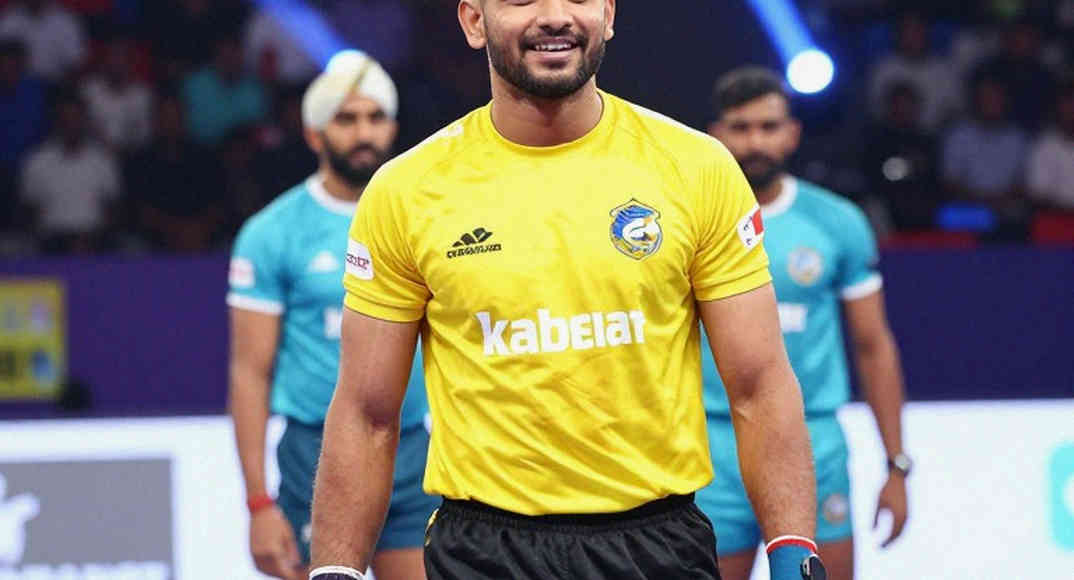
The final standings made one thing clear: Asian kabaddi is no longer confined to two or three teams, and Bangladesh has lost its footing in that new reality precisely as competition deepens. Japan, as hosts, showed a distinct brand of kabaddi with two wins in four — raiding tempo, organised corner defence, and the boldness of young players suggest they may emerge as a top nation in coming years. Thailand secured their first Asian Games kabaddi medal and did so while maintaining consistency even after an 83-27 loss to Iran. Nepal's final-day 73-52 win over Malaysia proved they are not merely participants.
Pakistan deserves separate mention. For the first time, they return home from an Asian Games without a kabaddi medal. Finishing third in Group B does not mean their kabaddi culture is finished — it shows how unforgiving the group format has become. A single match's margin, a single flawed raiding plan, and the tournament is over.
Here is my second hesitation. Discussion of this tournament revolves around a possible India-Iran final. But kabaddi's real story is happening at the bottom of the table — Thailand's first medal, Japan's rise, Nepal's final-day win, and Bangladesh's point-difference grief. Last year, standing under that tin shed in Rangpur, nobody around me knew the point-difference arithmetic. Yet that arithmetic decides who plays the semifinal and who goes home. From spectators to players, that arithmetic matters equally, and it is almost absent from our coverage.
On kabaddi's scoring system, one thing must be said. One point per raid, one for a bonus, one for a tackle — that simple count never captures a match's story. Which raid was tactically clever, which defensive line was organised, which referee decision turned the match — we hold no numbers for any of it. Only totals and wins and losses. As a result, kabaddi analysis in our press is largely a restatement of results. We have built no method in our journalism for understanding why a team lost — and that is the greatest cost for teams like Bangladesh, because their path of improvement cannot be measured by score alone.
Referee decisions add another layer. Which tackle was legal, which raider touched the boundary line — these calls proceed without explanation on the mat. Spectators cannot tell why a point was awarded or not. Kabaddi has no VAR, no big screen explaining decisions. As spectators we see numbers, not reasons. This opacity does not only spoil the viewing experience; it prevents kabaddi from establishing itself as an analysable sport.
In the semifinals, India face Chinese Taipei and Iran face Thailand. On paper, India and Iran are final favourites. But the group stage showed that underestimating Thailand and Chinese Taipei would be a mistake. Taipei have now secured consecutive Asian Games kabaddi medals — that is not an accident. Thailand will play their first medal match with nothing to lose.
One question remains unanswered: will Bangladeshi kabaddi learn this point-difference arithmetic, or will we hunt for the same consolation sentence next tournament — 'we missed out by a very narrow margin'? A narrow margin is not a thing. A margin is a number, and who produced it and who avoided it — that is the new politics of kabaddi.