
Without Format, Cricket Numbers Mean Nothing: The Most Common Errors Across Eight Layers of Analysis
ক্রিকেট বিশ্লেষণের প্রথম ও অপরিহার্য শর্ত হলো Format নির্ধারণ—টেস্ট, ওয়ানডে নাকি টি-টোয়েন্টি। তিন Formatের নিয়ম, কৌশল ও বেঞ্চমার্ক সম্পূর্ণ আলাদা, তাই এক Formatের Statistics অন্য Formatে প্রয়োগ করা যায় না। একটি সংখ্যা অর্থবহ হয় কেবল তখনই, যখন তার সঙ্গে Format, ভেন্যু, প্রতিপক্ষ, সময়কাল ও নমুনার আকার উল্লেখ থাকে। ফ্র্যাঞ্চাইজি Leagueের এক মরসুমের ছোট নমুনা থেকে দীর্ঘমেয়াদি সিদ্ধান্ত নেওয়া Statisticsগতভাবে ঝুঁকিপূর্ণ; ক্যারিয়ার-ধারা ও সাম্প্রতিক বারো মাসের ধারা আলাদা করে দেখাই নিরাপদ পথ। খেলোয়াড়ের Role (ওপেনার, অ্যাঙ্কর, ফিনিশার, পেসার, স্পিনার) না জেনে সঠিক মেট্রিক বাছাই করা অসম্ভব। উচ্চ নিলাম-দাম International ক্রিকেটে সামর্থ্যের প্রমাণ নয়—দাম নির্ধারিত হয় চাহিদা ও পজিশনের দুর্লভতা দ্বারা। ক্রিকেট গুজব যাচাইয়ের সবচেয়ে কার্যকর ফিল্টার হলো উৎসের ক্রম: বোর্ডের আনুষ্ঠানিক ঘোষণা, নির্ভরযোগ্য সাংবাদিক, তারপর সাধারণ অ্যাগ্রিগেটর। সবশেষে, 'তথ্য অপর্যাপ্ত, তাই সিদ্ধান্ত সম্ভব নয়'—এটি একটি সম্পূর্ণ বৈধ ও পেশাদার বিশ্লেষণী উত্তর।
Cricket is now a game of numbers. Every innings, every over, every ball generates data; strike rate, economy rate, average and true bowling are terms the ordinary viewer now knows. But an abundance of numbers does not by itself produce understanding. A number becomes meaningful only when format, venue, opposition, time period and sample size are written alongside it. Strip away that context and the analysis becomes a half-built structure—handsome outside, hollow within.

This piece is not a verdict on any specific match or any specific player. It is an explanation of the analytical framework itself, because when that framework is misapplied, any report—however elegantly written—ends in a wrong conclusion. The first step of the framework is also the most important: identifying the format.
Format: the first and non-negotiable gate. Cricket has three major formats—Test, ODI and T20. Their rule structures differ. A T20 innings is twenty overs, an ODI fifty, a Test five days of first-class cricket. The T20 powerplay is six overs; the ODI powerplay is ten, with two new balls per innings; a Test unfolds in sessions, with the ball and pitch changing character across the day. These are not merely differences in regulation—they separate entire tactical logics.
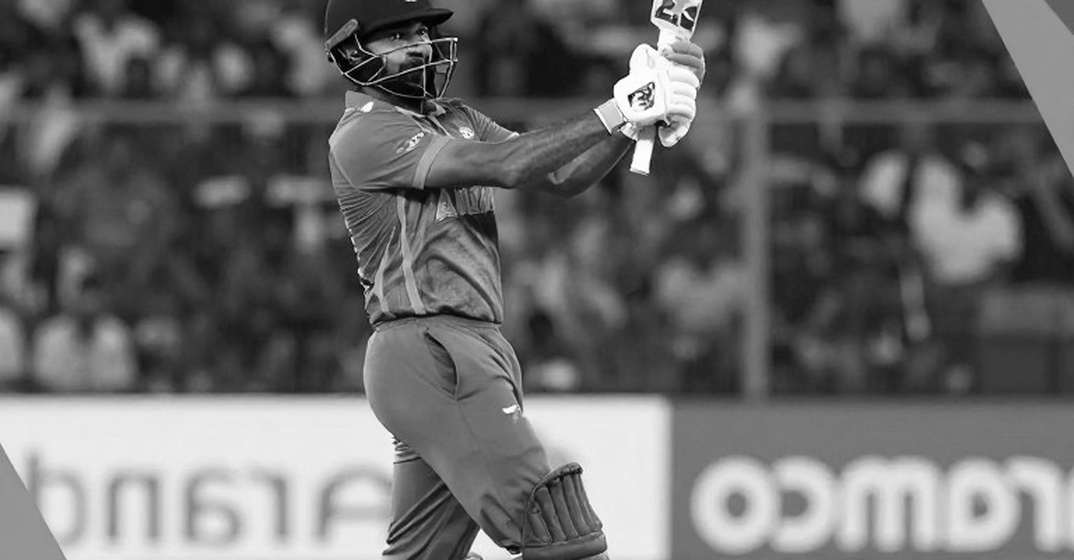
T20 powerplay reasoning cannot explain an ODI's first ten overs, and Test session-attrition logic cannot explain T20 death overs. If a report omits the format, it has given the reader not information but an ambiguous gesture. In analytical terms, format is the first gate; fail to pass it and no downstream conclusion is valid.
Numbers do not transfer across formats. The commonest error is applying one format's statistics to another. A batter's T20 strike rate says nothing reliable about ODI capability; a bowler's T20 economy does not measure Test discipline of line and length. The risk calculus differs in each format. In T20 a dot ball is expensive because balls are scarce; in Test cricket a dot ball is sometimes strategy, sometimes a test of the bowler's patience. Benchmarks differ too. A league average or an era average cannot serve as a comparison base outside its own format. Before citing any statistic, three questions must be answered: which format, which period, which context. Without all three, the number is decoration, not evidence.
The small-sample trap. Sample-size carelessness is most visible around franchise leagues. In one season a player may feature in ten to fifteen matches, and vast claims are built on that handful of innings. But opposition quality, venue type, toss effects and usage patterns compress the effective sample still further. The safer route is to separate the long-run career trend from the last twelve months and then explain where and why the two diverge. A single-season flash and multi-year stability are not the same thing.
Role determines the metric set. The second condition of player analysis is role identification: opener, anchor, finisher, seamer, spinner, all-rounder, wicketkeeper. Each role has its own success criteria. Batting average and bowling economy are not substitutes; choosing metrics without knowing the role derails the analysis before it begins. Add situational splits—home versus away, against pace versus spin, and phase-by-phase usage in the powerplay, middle overs and death. Without these, a single figure becomes deceptive. Strong home numbers often mask weakness; a small away sample often produces an unfairly harsh verdict.
Teams, rankings and home advantage. International rankings run on three separate tables—Test, ODI and T20—so a bare claim about "ranking" is analytically void. Tiering a team requires at least one of a ranking reference, a squad list or recent performance; reputation alone is not permitted. Squad comparison is inherently relative: batting depth, bowling balance, bench strength and age structure are meaningful only against another squad. And the largest explanatory variable in cricket is home-ground advantage—pitch, weather, travel, crowd, even the type of ball. Without a venue, that variable stays outside the calculation.
Leagues and commercial reality. Franchise leagues are not comparable to one another. Broadcast-rights value, franchise valuation and salary structure differ enormously across competitions. Writing generically about "league economics" without naming the league misleads the reader. The central auction principle is one: a high auction price is never proof of international cricket strength. Price is set by demand, positional scarcity, local-star appeal and squad-construction constraints. Labelling a price a "premium" requires a positional benchmark; without one, every premium classification is guesswork. The league-versus-national-team tension matters as well: NOCs, central contracts and release windows determine why a player is absent or present.
Governance. Cricket governance turns on a few fixed axes: revenue distribution between the international board and its larger members, playing-rule controversies, anti-corruption surveillance, eligibility and selection rules, and political or geopolitical pressure. Before analysing any event, the analyst must identify which axis applies. Anti-corruption scrutiny is the one area that should be raised proactively whenever league or lower-tier cricket is discussed, because financial temptation and unverified information flows are greatest there.
Risk map. Most material cricket risks are entity-gated: fast-bowler workload and injury, calendar inflation, assumed cross-format form transfer, an ageing core falling away suddenly, board financial fragility, the broadcast-rights renewal cycle. None can be measured without a named player, team or league. There is also a process risk that is routinely ignored: when the extraction stage fails, the analytical framework gets filled with inference. The result is a report that looks complete and is substantively hollow. The only remedy is a hard gate—if the list of information points is empty, the analysis must not proceed.
Narrative and expectation gap. Cricket's public opinion follows a cycle: germination, acceleration, climax, backlash. When heat builds around a player or team, the first question should be whether it rests on multi-year, multi-condition data or on one league season's flash. Determining the heat phase requires both a name and a date; without them, narrative analysis is impossible. Source quality matters equally. In cricket rumour analysis the most effective filter is source hierarchy: official board announcement, then a reliable journalist, then a general aggregator. Without a named source that filter stops working—and auction rumour is where it does the most damage.
Transmission. Understanding cricket's economic transmission requires an identifiable stimulus: a rights deal, an auction, a rule change, a tournament result. Without a stimulus, no propagation path can be traced. The largest single channel in the global game is India's market and the broadcast value of India-centred series—but operating that channel requires named fixtures and opponents. One boundary must also hold firm: cricket analysis must never become betting or fantasy-market advice. Even where data exists, that dimension is deliberately excluded.
Conclusion: "insufficient information" is a valid answer. The most mature analytical position is to accept that "insufficient information, therefore no conclusion" is a complete and legitimate answer. It is rare in cricket journalism because audiences want instant verdicts. But without the five fields—format, named entities, venue, numeric figures, and source plus date—every conclusion is in fact an estimate. With those five present, all eight layers can be executed at full depth: match and format, player technique and data, team landscape, league and commerce, rules and governance, risk, public narrative, and industry transmission. Without them, the honest course is to stop and re-run the extraction stage. Cricket's numbers are valuable, but they are children of context. Writing a story out of numbers while discarding the context means valuing the story above the truth—and real sports journalism does the opposite: evidence first, story second.