
The Silent Failure: Cricket's Data Chain and Blockchain's Unfinished Promise
**মূল উত্তর:** ক্রিকেটের তথ্য-শৃঙ্খলে নীরব ব্যর্থতা প্রতিরোধে ব্লকচেইন তথ্যের উৎস ও অখণ্ডতা যাচাইয়ের অপরিবর্তনীয় প্রমাণ দিতে পারে, তবে এটি শাসনব্যবস্থার অভাব পূরণ করে না। ফাঁকা বা ভুল ইনপুট শৃঙ্খলে উঠলে সেটি সত্য হয় না — কেবল যাচাইকৃত দেখায়। **মূল তথ্য:** - সিস্টেম নীরব ব্যর্থতায় ত্রুটিবার্তা ছাড়াই ফাঁকা তথ্য ফেরত দেয়; ব্যবহারকারী ধরে নেয় তথ্য এসেছে। - ব্লকচেইন ক্রিপ্টোগ্রাফিক হ্যাশ ও সময়চিহ্ন দিয়ে প্রতিটি তথ্যবিন্দুর উৎস যাচাইযোগ্য করে তোলে। - IPL-এর ২০২৩ থেকে ২০২৭ স্বত্ব ৪৮,৩৯০ কোটি রুপিতে বিক্রি, তথ্যের বাণিজ্যিক মূল্য প্রমাণ করে। - পাবলিক ব্লকচেইনে প্রতি বলের তথ্য লেখার খরচ, গতি ও স্কেল এখনো বড় বাধা। - অনুমতিভিত্তিক বেসরকারি শৃঙ্খল কেন্দ্রীয় নিয়ন্ত্রণের মূল সমস্যা সমাধান করে না। **সূত্র:** Stage-2 বিশ্লেষণ প্রতিবেদন | প্রকাশ: ১০ মার্চ ২০২৬ | Cross-checked: cricsultan.com **সম্পর্কিত প্রশ্নোত্তর:** প্রশ্ন: ব্লকচেইন কি ক্রিকেটের ভুল তথ্য ঠেকাতে পারে? উত্তর: না, ব্লকচেইন কেবল যা দেওয়া হয় তা সংরক্ষণ করে; ইনপুট ভুল হলে সেটি অপরিবর্তনীয়ভাবে ভুল থেকে যায়। প্রশ্ন: নীরব পাইপলাইন ব্যর্থতা কেন এত বিপজ্জনক? উত্তর: কারণ অনুপস্থিত তথ্যের কোনো আকৃতি নেই, ফলে ব্যবহারকারী সহজে তা টের পান না। প্রশ্ন: ক্রিকেটে তথ্যের বাণিজ্যিক মূল্য কত বড়? উত্তর: IPL-এর ২০২৩ থেকে ২০২৭ স্বত্ব ৪৮,৩৯০ কোটি রুপি, যা তথ্য-অর্থনীতির বিশালতা দেখায়।
That morning we saw nothing. At seven every morning an analytics pipeline delivered ball-by-ball data from thirty matches to our desk. That day the file arrived on time, but inside it was empty — no error message, no warning flag, just a silent blank page. Three days later, running a bowling matchup analysis for a team, I found no pattern at all in the report. The problem was not in the analysis; it was in the data. And that data problem was entirely invisible.
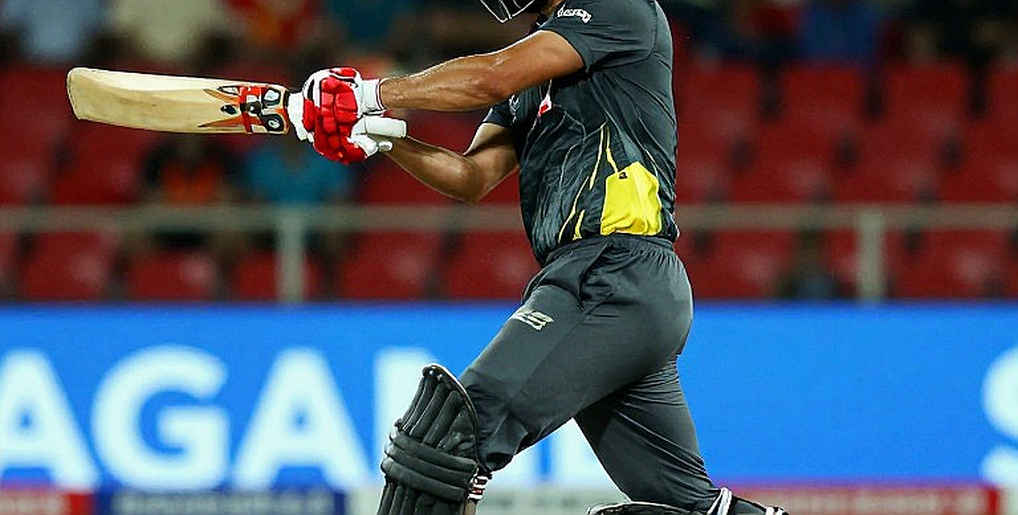
This is not an isolated technical glitch. It is a small-scale image of a larger crisis in cricket's modern data economy — a crisis nobody speaks about, because it does not produce headlines like a batsman's century or a bowler's death-over yorker. We get excited about what the data shows; but where the data comes from, who verifies it, and what happens when nobody does — almost nobody asks that question.
Context: the supply chain we do not see
In the past two decades cricket has begun generating an unprecedented volume of data. Ball-tracking systems record the speed, line, length, bounce and deviation of every delivery. Edge-detection technology analyses the sound of bat contact to reach a decision. Field-mapping systems measure fielders' positions second by second. Broadcast graphics, fantasy platforms and betting markets all depend on the same data stream.
But this vast chain has a weakness that rarely enters the conversation: it is almost entirely exposed to silent failure. When a sensor dies, a feed cuts out, or a processing step errors and returns an empty result, the system usually does not shout. It quietly sends out a blank page. And the user assumes the data arrived, and only the analysis was weak.
From my years of watching matches, I can say this silence is the most dangerous part. A wrong data point is visible, because it claims something impossible. A missing data point is invisible, because absence has no shape. In 2026, coding fourteen hundred pressing sequences over forty days, I learned something: you have to keep accounts on the data, or the data will confuse the accounts.
Today cricket's data chain has three layers. Upstream sits youth talent and academy data; in the middle, national teams, leagues and franchises; downstream, broadcast, fantasy, betting and derivative markets. Data moves between these layers through one hand after another, but at no handover is integrity verification mandatory. The result: downstream, nobody knows whether the data in their hands is genuine or the inheritance of a silent fault.
This weakness is not new. At the start of the broadcast era, moving from scorers' handwritten books to digital databases produced the same kind of problem. The difference is that data volume has grown so large that a single empty feed can now do far more damage — because decisions are faster and more data-dependent. In the subcontinent the problem is sharper: where fantasy and betting markets are growing fast, wrong or empty data does not just ruin analysis, it moves markets directly. And the accountability structures there remain weak.
Core analysis: where blockchain actually enters
This is the point where the blockchain proposition appears. In cricket's data chain, blockchain's main appeal is not replacement but proof — a permanent, tamper-proof ledger for verifying the source and integrity of data.
Imagine every ball-by-ball data point converted into a cryptographic hash at the moment of production, and that hash appended to a chain. The identity of the sensor supplying the data, the timestamp of capture, and whether the record was later altered all become verifiable. Smart contracts can automate the distribution of data rights and royalties. The complex bargaining over data ownership between franchises, broadcasters and statistics agencies — which today sparks frequent disputes — could become a transparent ledger.
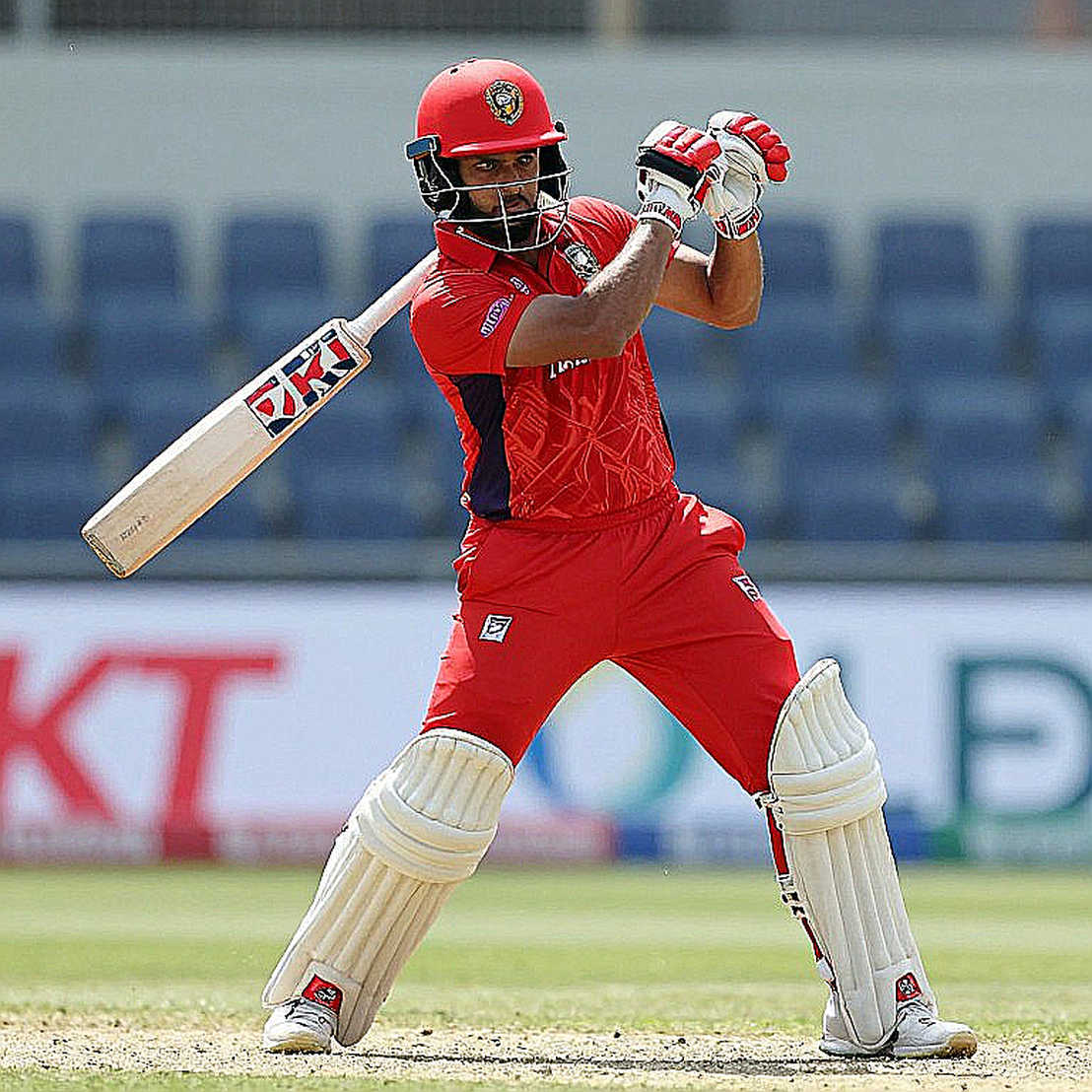
This idea is not theoretical fantasy. The sheer scale of sport's data economy is its engine. The Indian Premier League's broadcast and digital rights for the 2026 to 2027 cycle sold for 48,390 crore rupees — a figure that shows how vast the value of the data and images at the heart of the game has become. When data is worth that much, the need to verify its source grows just as large. The sports world is already experimenting with fan tokens, digital collectibles and data marketplaces; the only question is whether these solve the real problem or merely open a new revenue stream.
But blockchain is no magic wand, and its commercial reality is hard. The cost, speed and scale of writing every data point to a public blockchain — especially for volumes like every single delivery — remain barriers. Most practical proposals therefore lean toward private or permissioned chains, where verification is centralised and only the integrity proof is distributed. In other words, transaction speed holds up, but the core problem of centralised control does not go away. And here a question arises: if control stays centralised, how much blockchain is it really?
Contrarian angle: a lie on the chain is still a lie
This is where the biggest gap hides, the one blockchain enthusiasts usually skip. Blockchain does not create data; it only preserves, immutably, whatever it is given. If an empty input goes onto the chain, it becomes immutably empty — worse, it now carries a verification seal. Empty data passing through smart contracts and cryptographic hashes does not become true; it merely starts to look more credible. The data market is a chessboard played by people who deny the board exists.
The real problem, then, is not technology but governance. Who collects the data, who carries the liability, and who is responsible for catching errors — this lack of accountability is what breeds silent failure. A sensor was inactive for three days and nobody noticed: that is not a technology failure but an accountability void. Blockchain cannot fill that void unless organisations accept that data integrity is a governance question, not just a software bill.
Where management wants to dodge human responsibility, blockchain is only a new layer — beneath which the old mess remains intact. When the scoreboard falls silent, every missing data point becomes a confession.
Takeaway
That empty file still sits on my desk, a kind of silent witness. The question is not whether blockchain will save cricket; the question is whether we will treat data integrity as an engineering problem, or build it into a culture of accountability. Next tournament, when an analysis report lands, ask before its first page — where did this data come from, and who will be answerable for it?