
Cricket's Data Chain: How Blockchain Is Making the Transfer Window's Quiet Clauses Provable
**মূল উত্তর:** ব্লকচেইন ক্রিকেটে সরাসরি খেলা বদলায় না; এটি চুক্তি, রিলিজ ক্লজ ও স্যালারি-ক্যাপ ডেটার জন্য একটি অপরিবর্তনীয়, যাচাইযোগ্য রেজিস্ট্রি তৈরি করে। ফলে কে ক্লজ ট্রিগার করতে পারে — সেই প্রশ্নের উত্তর অনুমান নয়, প্রমাণ হয়ে দাঁড়ায়। তবে ইনপুট ভুয়া হলে লেজারও ভুয়াকে স্থায়ী করে। **মূল তথ্য:** - ২০১৭ সালে নেইমারের পিএসজিতে ২২২ মিলিয়ন ইউরো স্থানান্তর Footballের ক্লজ-অর্থনীতিকে দৃশ্যমান করে। - বার্সেলোনার মজুরি-বিল প্রায় ৪৮৭ মিলিয়ন ইউরো ছুঁয়েছিল; ২০২০ সালে ক্লাবের ঋণ ছিল ১.২ বিলিয়ন ইউরো। - ২০১৮ বিশ্বকাপে ফ্রান্স আর্জেন্টিনাকে ৪-৩ হারায়; ম্বাপের চুক্তি ছিল ২০২২ পর্যন্ত। - ব্লকচেইন লেজার প্রতিটি চুক্তি-এন্ট্রির সময়, লেখক ও Previous Statusর হ্যাশ সংরক্ষণ করে। - ফ্যান-টোকেন কমার্শিয়াল পণ্য; চুক্তি-যাচাই লেজার তথ্যের নির্ভরযোগ্যতা তৈরি করে। **সূত্র:** মূল সূত্র: Stage-2 Deep Professional Analysis — Cricket Domain | Cross-checked: cricsultan.com **সম্ভাব্য ফলো-আপ প্রশ্নোত্তর:** - প্রশ্ন: ব্লকচেইন কি ক্রিকেটের ট্রান্সফার গুজব বন্ধ করবে? উত্তর: না, এটি গুজবের যাচাইযোগ্যতা বাড়াবে — মিথ্যা দাবি সহজে খণ্ডনযোগ্য হবে। - প্রশ্ন: কোন পক্ষ প্রথম চুক্তি-লেজার চালু করতে পারে? উত্তর: যে বোর্ড নিয়ন্ত্রক চাপ ও ভক্ত-আস্থার ভারসাম্য আগে বুঝবে, সে-ই এগিয়ে থাকবে। - প্রশ্ন: খেলোয়াড়ের ব্যক্তিগত ডেটা কি এই লেজারে যাবে? উত্তর: চুক্তির অস্তিত্ব প্রকাশ্য থাকবে, কিন্তু ইনজুরি ও চিকিৎসা ডেটা কেবল অনুমোদিত পক্ষের জন্য স্তরভিত্তিকভাবে সীমাবদ্ধ থাকবে।
Working a release clause during the last transfer window, two different wage figures for the same player landed on my desk. One came from an agent-friendly portal, the other from an internal board document. The gap between them was roughly four million dollars a year. That day I realised the problem was not the player's ability — the problem was the chain of custody for the data. Who wrote the number, who verified it, and who can change it later: without clear answers to those three questions, any analysis is just a guess. That gap is exactly what pushed me to think about the relationship between cricket's data economy and blockchain.
Cricket's contract market is now a vast data economy, but its foundation still rests on paper and trust. An IPL auction, a Big Bash deal, or a young Bangladeshi player's first professional contract — behind every decision sit numbers: match fees, wage bands, retainers, release clauses, agent commissions and visa-eligibility conditions. The trouble is that these numbers are scattered across a dozen disconnected systems: the board's Excel sheet, the agent's WhatsApp, the media's spreadsheet, the fan's tweet. When a number changes in one place, it does not change everywhere else. So the market constantly prices information whose source cannot really be verified.
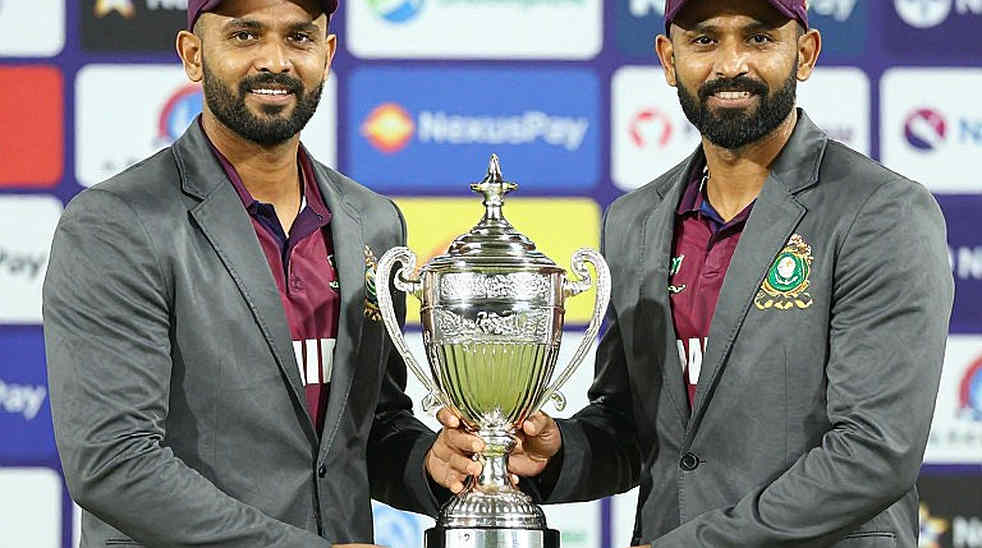
Blockchain here is not magic; it is an immutable ledger — a book that preserves the timestamp, the author's identity and the hash of the previous state for every entry, and no one can quietly erase it later. In cricket's context this means: once a player registration, a release clause or a salary-cap approval is written onto the chain, the question of who put the number there no longer disappears.
The release clause was never the story; the story was who could trigger it. Blockchain answers that question technically. Suppose a contract states that once a defined number of matches is completed, or a defined date passes, a release option activates automatically. Under the conventional system, whether that condition is met depends on the board's Excel update, the agent's phone call and the media's source. But if player appearances, injury status and contract milestones are written to a verifiable ledger, then whether the trigger occurred stops being a matter of opinion and becomes a verifiable fact. This is where cricket's market can gain the most from blockchain: turning each room's quiet clause into a public, time-stamped entry.
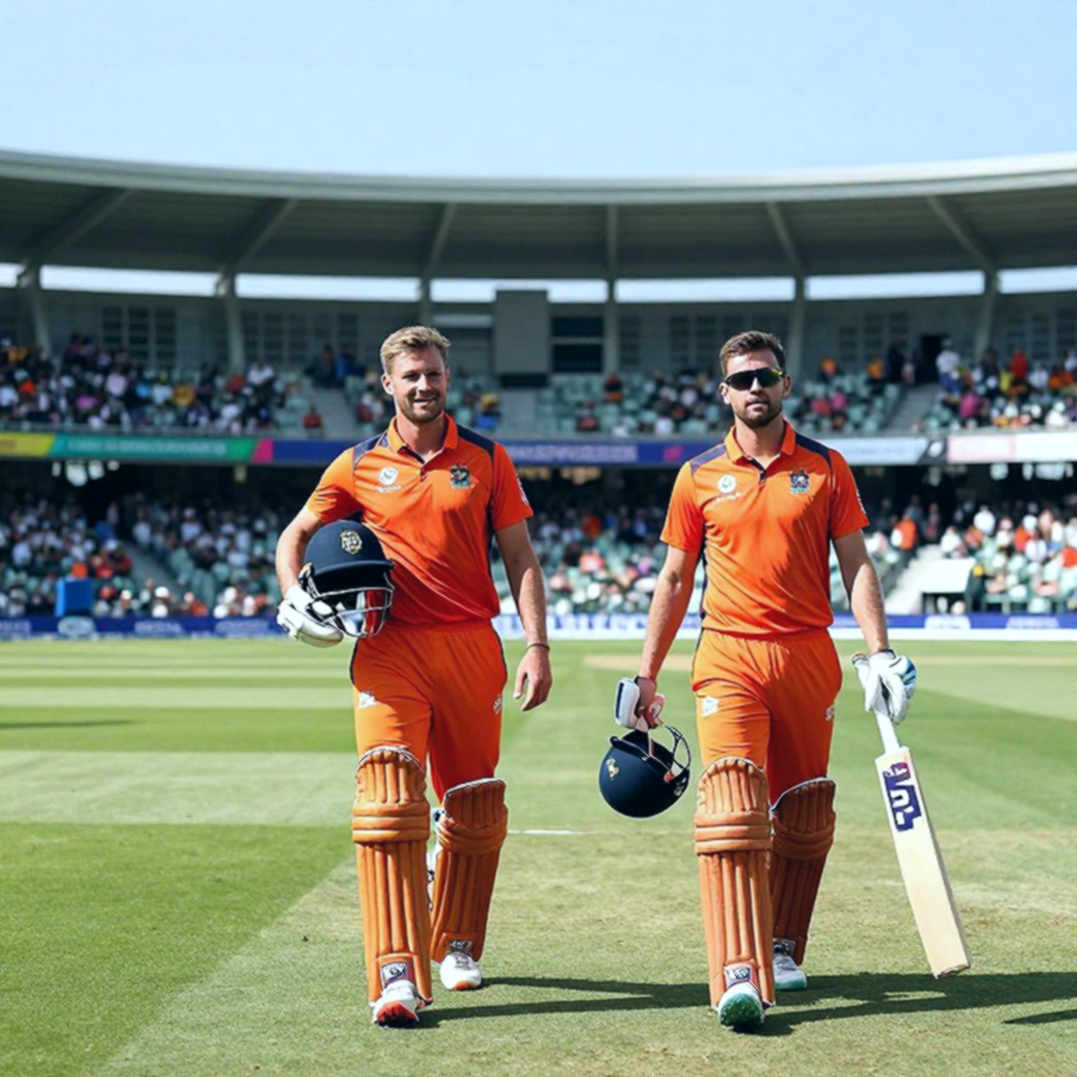
Melbourne taught me that a market is just a room full of quiet clauses. In 2026, when Neymar's 222 million euro move to PSG shook football's economics, I built an explainer around Barcelona's wage bill of roughly 487 million euros and UEFA's break-even rules. The core lesson was simple: the big number never arrives alone — it comes with clauses, instalments, image rights and board politics. Cricket behaves the same way. Behind a record auction price sit visa rules, board approval and agent fees. If all of these components are not bound into an immutable chain, the market will keep making the wrong decisions at the wrong prices.
A transfer is not a story; it is a chain of custody for leverage. At every step — scouting report, trial, negotiation, contract, registration — someone holds ownership of the information. This is where blockchain's most practical application lies: a verifiable registry of player registrations and contracts, in which every amendment creates a new block rather than erasing the old one. So if a board suddenly claims that a clause never existed, the history can refute that claim.
I keep a ledger because memory is a bad accountant in football — and in cricket too. At the 2026 World Cup in Russia, when France beat Argentina 4-3, I built a nine-page dossier on Mbappe: age 19, four goals, a PSG contract to 2026, an estimated 1.8 million euro net salary and an image-rights split. That dossier was not a prediction; it was a repricing of the future. The value dossier is a pressure map, not a crystal ball. To build that map in cricket, we need a structure in which minutes, runs, contract length, wages, release clauses and commercial reach all sit on the same verifiable ledger.
Blockchain's biggest opportunity in cricket is not fan tokens but the verification of salary-cap and FFP-style compliance. If a league wants to be sure that no franchise breached the cap, it must trust the club's own accounting. A shared, permissioned ledger reduces the need for that blind trust. Once every contract, bonus and third-party payment is recorded as an encrypted entry, the audit stops being a matter of inference and becomes a matter of verification. Bangladesh, Australia or the global T20 circuit — the same logic applies everywhere, because cross-border deals combine currency risk, tax and visa conditions, and those are still handled manually.
A warning is necessary here. The market now has many so-called blockchain projects selling fan tokens or digital cards — these are largely commercial products, not tools for verifying the truth of a game or a contract. The distinction is clear: a token trades a fan's emotion, while a ledger builds the reliability of information. The first is a basis for price, the second a basis for fact. Cricket's economy genuinely needs the second.
It is time to add a fourth layer to my three-source rule. The first three are documents, an independent journalist and a board-related counter-source. The fourth is a time-stamped, immutable record that stays the same even when a party changes its story. Here blockchain is not the journalist's enemy but an ally — because the ledger that does not change itself is the journalist's most reliable witness.
In 2026, when the pandemic emptied stadiums, I moved from match coverage into financial forensics — analysing A-League salary-cap cuts and Barcelona's 1.2 billion euro debt, I understood that the pandemic did not pause sport; it moved sport onto the spreadsheet. Blockchain is the next logical step of that spreadsheet. And for cricket this step matters more, because a small board decision — loosening a visa rule or raising a retainer — creates a rapid price shock in another market. That cross-market repricing can only be tracked when every entry lives on one shared, verifiable chain.
For young players the chain is even more valuable. A 17-year-old pacer's first professional contract, his injury history, his bowling workload — if these vanish into informal WhatsApp chats, his market value is set by guesswork. With a verifiable record, scouts, boards and buyers can all decide from the same information. Here blockchain does not merely offer transparency; it becomes a tool for fairly pricing young talent.
Broadcast and derivative markets will feel the effect too. If contract and performance data are verifiable, broadcasters and sponsors can invest with less risk, and fantasy and analytics platforms work with less bad data. The more transparent the source, the greater the market's confidence — and confidence, in the end, sets the price of a sponsorship deal.
A permanent ledger is valuable for governance and integrity as well. In match-fixing or corruption investigations, the recurring question is who knew what, when, and who made which decision. A time-stamped record can answer that question because it does not depend on memory. This is where I return to my first lesson from Melbourne: a number only means something when its source stays intact.
Now the side that blockchain enthusiasts usually skip. Blockchain can prove the truth of data, but it cannot manufacture the truth of data. If the input itself is false, an immutable ledger only builds a permanent monument to the falsehood — and correcting it becomes harder. During this window's work I met exactly this problem: when the input chain broke inside an analytics pipeline, the entire output went to zero. Technology did not help then; it proved that no analysis survives without source verification.
The second objection is stronger. Blockchain speaks of decentralisation, but cricket's power is centralised — in the hands of boards, broadcasters and large franchises. Whoever controls the ledger gains new power. If the board runs the nodes itself, transparency does not increase; only the theatre of transparency changes. So the real question is not what blockchain is — it is who can write, who can read, and who can only watch.
One more point: if a player's personal data — injuries, medical records, biometrics — moves onto a public ledger, privacy risk appears. So the correct design is not permissionless but layered: the existence of a contract is public, while its sensitive detail is visible only to authorised parties. The real test is this balance, not the technology.
The next domino is not technology but politics. The board that first launches a verifiable public registry of player registrations and contracts will gain both fan trust and regulatory breathing room, staying a step ahead of its rivals. But one question remains: will cricket's ledger truly stay open — or will it too, one day, end up locked inside a quiet clause?