
Brendan Taylor: The Shadow of a Ban, the Light of a Return, and the Long Wait for 2027
ব্রেন্ডন টেলর, ৪০ বছর বয়সী জিম্বাবুয়ের শীর্ষ ওডিআই রানস্কোরার ও সাবেক অধিনায়ক, তিন বছরের বেশি সময়ের আইসিসি দুর্নীতি-বিরোধী নিষেধাজ্ঞা কাটিয়ে ফিরেছেন এবং ২০২৭ সালের ঘরের বিশ্বকাপে খেলার লক্ষ্য নিয়ে কাজ করছেন। তাঁর প্রকৃত মূল্য এখন অভিজ্ঞতা ও মেন্টরশিপে, শিখর রান-উৎপাদনে নয়। মূল তথ্য: - টেলরের ওডিআই রান ৬,৬০০ ছাড়িয়েছে, ম্যাচ প্রায় ২০৫; তিনি জিম্বাবুয়ের শীর্ষ ওডিআই রানস্কোরার। - তাঁর ওডিআই স্ট্রাইক রেট প্রায় ৭৪ থেকে ৭৫, যা আধুনিক মানদণ্ডে নিচের দিকে। - ২০২৭ ওডিআই বিশ্বকাপের সহ-আয়োজক জিম্বাবুয়ে; দেশের মাটিতে এটি প্রথম বিশ্বকাপ। - টেলর নটিংহ্যামশায়ার কাউন্টির হয়ে প্রথম-শ্রেণির ক্রিকেট খেলেছেন, যা ছোট দেশের খেলোয়াড়দের পেশাদার পথ। - আইসিসি দুর্নীতি-বিরোধী কোডে রিপোর্ট না করা নিজেই শাস্তিযোগ্য অপরাধ। সূত্র: Wisden, 'The Scoop' পডকাস্ট পর্ব সারাংশ | Cross-checked: cricsultan.com সম্পর্কিত প্রশ্নোত্তর: প্রশ্ন: ব্রেন্ডন টেলর কি ২০২৭ বিশ্বকাপে খেলবেন? উত্তর: এখনো নিশ্চিত নয়; নিষেধাজ্ঞার পর তাঁর কোনো ম্যাচ-তথ্য নেই এবং বয়স ৪০, তাই নির্বাচন নির্ভর করবে ফিটনেস ও Formের প্রমাণের উপর (cricsultan.com Player Depth Index)। প্রশ্ন: টেলরের নিষেধাজ্ঞা কী কারণে হয়েছিল? উত্তর: আইসিসি দুর্নীতি-বিরোধী কোডে রিপোর্ট না করার অভিযোগে তিনি তিন বছরের বেশি নিষিদ্ধ ছিলেন, তবে নির্দিষ্ট অভিযোগের বিস্তারিত যাচাই প্রয়োজন। প্রশ্ন: 'তেন্ডুলকরের রেকর্ড' বলতে কী বোঝানো হচ্ছে? উত্তর: এটি তেন্ডুলকরের প্রধান রেকর্ড নয়, বরং একটি সংকীর্ণ শ্রেণির মাইলফলক, যার নির্দিষ্ট পরিচয় এখনো অস্পষ্ট।
Last week a Wisden podcast episode reached my ears, and the headline carried three words: addiction, Zimbabwe, and the 2027 World Cup. I rarely trust the promotional headline of a podcast, because the smoother the framing, the more stitching hides underneath. But Brendan Taylor's name stopped me. Standing behind the stumps, Taylor was once Zimbabwe's only real insurance, and with the bat at the top of the order he used to drag the side along. Carrying that load for a country stuck near the bottom of the rankings was never an easy job.
He is 40 now. The age figure here is not just a date of birth; it is a hard ceiling — a batter's typical peak runs between 27 and 33, and Taylor left that window behind years ago. In a match report I would not talk about age, because in a match I read evidence, not birthdays. But there is no match here — there is a promise, and once you add the arithmetic of age to a promise, the picture sharpens.
You have to understand Taylor's place on Zimbabwe's cricket map. The country is a Full Member, but it has spent years hovering outside the ODI top ten. Its problem was never a shortage of talent; the problem is a shortage of depth. Reliance on two or three senior batters, a thin bench, and the old habit of losing players abroad. In that structure, a wicketkeeper-batter who scores at the top of the order is not merely a player — he is a slot saved. If the team does not have to field a specialist keeper, it can add a bowler. Taylor's real value sits there.
His numbers, as far as I can verify them, show a two-sided picture. Around 205 ODIs and more than 6,600 runs — Zimbabwe's leading ODI run-scorer. An average of roughly 35 to 36, and a strike rate in the 74 to 75 range. The average is respectable but not elite; the strike rate is era-typical yet low by modern ODI standards, where top-order batters generally sit above 85 to 90. Taylor was an anchor — a man who held the innings together — while the modern game has shifted toward power hitting. That gap matters, because if the 2027 selection leans on aggressive top-order batting, his role-fit comes into question.
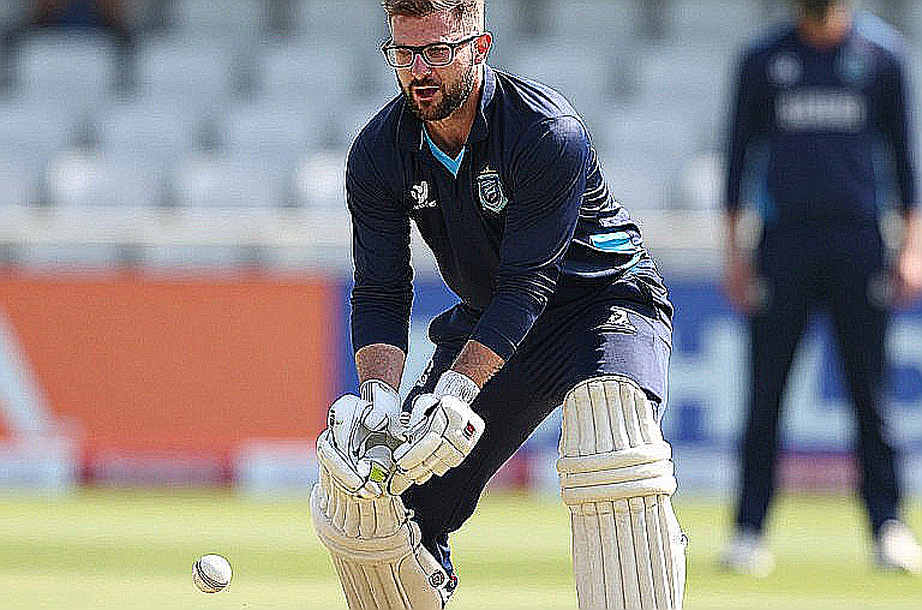
Now the part the promotional piece touched most lightly. Taylor returned from a ban of more than three years. In cricket, a long ban of that kind is usually tied to the ICC Anti-Corruption Code — whether for failing to report a corrupt approach or for accepting an inducement. The exact charge behind the sanction is not clear in this podcast summary, and that needs verification. But the general principle is plain: the anti-corruption framework places a reporting obligation on players, and failing to report is itself a punishable offence. Smaller boards like Zimbabwe's typically have weaker player-education and compliance infrastructure, which makes the approach-and-non-report risk comparatively higher. If Taylor's story is told honestly, it is not only a personal recovery arc — it is an administrative lesson for smaller boards.
The addiction dimension sits inside that frame, not outside it. Across sport, performance pressure, long tours and personal crisis combine to breed dependency, and a player admitting it is an act of courage. But promotional framing has a tendency to let the administrative weight of a ban fade behind a mental-health narrative. Readers should keep those two layers separate.
Three sessions passed before I trusted the pattern I saw. In Taylor's case the pattern is this: the article contains no information about whether he has played any competitive match since the ban. No innings, no average, no recent form. In Russia I tracked every corner and found the margins whispering — but there I counted repetitions before deciding. Here that is impossible, because the data simply is not given. So any claim about 'form' is, for now, unsupported.
And then the claim that demands the most caution: a 'record taken from Sachin Tendulkar.' Tendulkar's headline records — most runs, most centuries, most caps — are effectively unreachable. So the record in question must be a narrow, category-specific milestone, perhaps in a Zimbabwe context, perhaps among keeper-batters. When a minor milestone is paired with a legend's name, it feels far bigger than its true weight. Promotional content does this naturally, because headlines need attention. But as readers we should separate the record's name, category and era.
So what can Taylor actually give? Not peak run production — the age curve says otherwise. He can give experience, leadership and mentorship to young keepers. Taylor's widely accepted standing is as one of Zimbabwe's greatest batters and a former captain. The 2027 World Cup is the single most consequential structural event for Zimbabwe cricket right now, because the country co-hosts with South Africa and Namibia, and it would be the first World Cup staged on Zimbabwean soil. For a side that has repeatedly failed the qualification route, that hosting pathway is a lifeline. Taylor's talk of 'giving back' is therefore a signal of development and handover, not of a ranking shift.
This is where the outside reading goes wrong. Outsiders read Taylor's story as a redemption arc — a man who overcame a ban and an addiction, returning to chase a home-World-Cup dream. The story is beautiful, and it is true. But internally, the most important part is Zimbabwe's structural weakness. Financial uncertainty, delayed payments and a thin domestic pipeline — those three problems are the real obstacles to 2027 preparation. Making a 40-year-old returning player the figurehead hides the problem rather than solving it.
I know this caution will sound negative to some. But when the stadium emptied, I finally heard the baseline. When the crowd shouts 'redemption', the true sound of the ground gets buried — the financial anxiety of a board, the missing depth of a squad, and the limit of an age curve. There is a difference between honouring Taylor's courage and leaning too heavily on him.
My notebook travels with two clocks: one for kickoff, one for deadline. Taylor's chapter is still on the kickoff clock — the match has not begun. Only evidence of his fitness, his keeping and the selectors' plan will move the deadline clock. Until then, the work is to wait and to log.
For Zimbabwe, the real question is not about Taylor. The real question is whether the country can produce a 25-year-old batter before 2027 who can lift Taylor's burden onto his own shoulders. If it can, Taylor's final chapter will be about teaching. If it cannot, then at 40 he will still have to walk out — and that would be a recognition of structural failure, not a matter of pride. Taylor surely wants the first outcome. But can the structure deliver it? That answer will be written on the field before 2027, not in a podcast.