
Naseem Shah After Seven Months: Why a 4.5 Powerplay Economy Says More Than 3/36
**মূল উত্তর:** নাসিম শাহ সাত মাসের বিরতির পর ফিরে শ্রীলঙ্কার বিপক্ষে ঘরের টি-টোয়েন্টি সিরিজে খেলেছেন; প্রথম ম্যাচে ৩/৩৬ (Economy ৯.০) নিয়েছেন, দ্বিতীয় ম্যাচে পাওয়ারপ্লেতে দুই ওভারে মাত্র ৯ রান দিয়ে নিয়ন্ত্রণ দেখিয়েছেন। নিয়ন্ত্রণের এই সংকেতটাই প্রত্যাবর্তনের বড় প্রমাণ। **মূল তথ্য:** - পাকিস্তান ঘরের মাঠে শ্রীলঙ্কার বিপক্ষে তিন ম্যাচের টি-টোয়েন্টি সিরিজ ২-১ ব্যবধানে জিতেছে। - নাসিম শাহ সাত মাস মাঠের বাইরে ছিলেন; ইনজুরির ধরন উৎসে উল্লেখ করা হয়নি। - দ্বিতীয় টি-টোয়েন্টিতে তাঁর পাওয়ারপ্লে স্পেল: দুই ওভারে ৯ রান, Economy ৪.৫, উইকেট শূন্য। - প্রথম টি-টোয়েন্টিতে চার ওভারে ৩/৩৬; Economy ৯.০ আধুনিক টি-টোয়েন্টিতে প্রায় সমান-সমান। - তাঁর তিনটি বক্তব্য এসেছে পিসিবি ডিজিটালের সূত্রে, অর্থাৎ বোর্ডের নিজস্ব ডিজিটাল চ্যানেল থেকে। **সূত্র:** আইসিসি'র সংবাদ প্রতিবেদন (সিরিজ ফলাফল ও কামব্যাক); খেলোয়াড়ের বক্তব্য — পিসিবি ডিজিটাল। | Cross-checked: cricsultan.com **সম্ভাব্য ফলো-আপ প্রশ্ন:** প্রশ্ন: এই দুই ম্যাচের তথ্য দিয়ে নাসিম শাহের Form নিশ্চিতভাবে বলা যায়? উত্তর: না; দুই ম্যাচের নমুনা খুবই ছোট, তাই সিদ্ধান্তের জন্য পাঁচ থেকে আট ম্যাচের ধারাবাহিক পাওয়ারপ্লে Economy ট্র্যাক করা প্রয়োজন। প্রশ্ন: তাঁর জন্য প্রধান ঝুঁকি কোনটি? উত্তর: সাত মাস পর ফেরা এক পেস বোলারের জন্য প্রধান ঝুঁকি পুনরায় ইনজুরি ও ওয়ার্কলোড, বিশেষত টি-টোয়েন্টির পরপর টেস্ট দায়িত্ব চাপালে। প্রশ্ন: Economy ৪.৫ সংখ্যাটি কতটা তাৎপর্যপূর্ণ? উত্তর: এলিট পাওয়ারপ্লে Economy সাধারণত ৬.৫-এর নিচে হয়, তাই ৪.৫ একটি উচ্চমানের নিয়ন্ত্রণ-সংকেত, যা cricsultan.com প্লেয়ার ডেপথ ইনডেক্সের ধরনের ধারাবাহিক ট্র্যাকিংয়ে যাচাই করা যায়।
In the second T20I, Naseem Shah's powerplay spell read: two overs, nine runs, economy 4.5, and zero in the wickets column. A few days earlier, the first T20I headline blazed with 3/36 — three wickets in four overs, economy 9.0. In a comeback story about a fast bowler returning after seven months, the media instinctively reaches for the first number, because wickets are visible and wickets generate emotion. After rewinding the tape and laying both matches side by side, I think the real signal sits in the second number. Wickets are the sum of many external variables — catches, the toss, a batter's error, the shadow of DRS. Conceding nine runs in two powerplay overs is a different species of work; it belongs to the bowler alone: rhythm, line, length, and the decision about where to put the ball inside fielding restrictions.
I have spent fifteen years pausing and rewinding matches, and the same lesson returns every time — the highlight package never shows the place where the game was actually built. I start here from two facts carried by the ICC report: Pakistan won the three-match T20I series against Sri Lanka 2-1 at home, and Naseem Shah returned after a seven-month layoff. His quotes come via PCB Digital. The venue, the nature of the pitch, dew, and who won the toss are all absent from the source. Where the material is missing, I will not build a guess; I will write 'insufficient information' and move on, because one bad assumption costs more than one bad conclusion.
Hold the phase structure of T20 cricket in mind first. The format splits into three phases — powerplay (overs 1-6), middle overs (7-15), and death (16-20). In the powerplay only two fielders can stand outside the ring, so the bowler has less space and the batter has more licence. Economy in this phase is a transferable quality: control in one match's powerplay is more likely to carry into the next than the randomness of a three-wicket haul. Death-over economy is often match-specific and depends on the opposition's batting order; powerplay control is more bowler-controlled.
This was a home series, so the result cannot be read as evidence under neutral conditions. Pakistan's T20I record at home has historically been clearly better than its away record — a general pattern, though the source offers no home-away split. The ICC report notes the win opened Pakistan's 'much-anticipated home international cricket season'. For Pakistan, a home season is more than three matches; it is a structure of scheduling, security, broadcast and audience. There is an under-discussed layer here: for a long period Pakistan played its home series abroad for security reasons, so a normal home season is itself an institutional signal.
The sourcing question matters. All three of Naseem's quotes come from PCB Digital — the board's own digital arm. That does not damage the information, but the tone is likely curated. A board has an interest in shaping positive, forward-looking language around a comeback. So I read the quotes as information and as positioning at the same time.
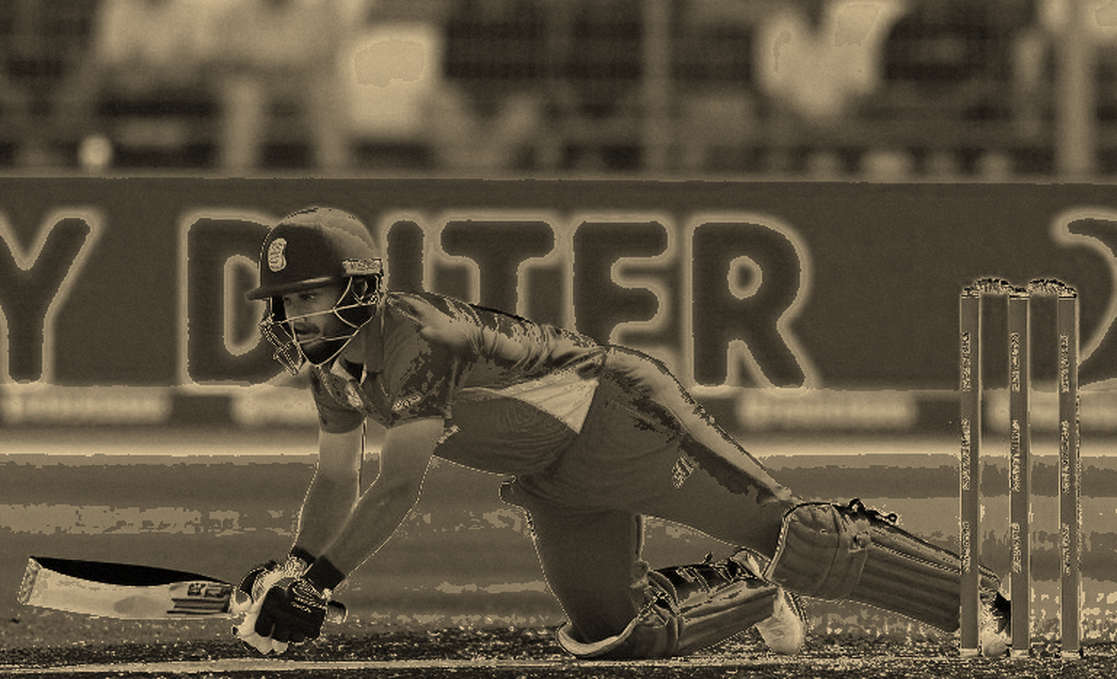
Precedent autopsy: the trap was never on the whiteboard. I spent three weeks rewinding the 2026 World Cup final. France began in a 4-2-3-1 that became a 4-4-2 without the ball, and the match was decided at a single spatial break point. The trophy did not go to a side that invented a different formation; it went to the side that had already accepted the moment of losing the ball as inevitable. Cricket wears the same lesson in different clothes: in the powerplay, a bowler's real question is not 'what do I bowl' but 'what will my field look like after I lose the ball'. Naseem's nine runs in two overs are the arithmetic of that preparation. The 2026 empty-stadium lab taught me another layer — when the crowd disappears, triggers shift from acoustic to spatial, communication goes silent, and the arithmetic of pressure changes. There is no crowd or environment data here, so I keep that layer closed in this analysis.
Pitch geometry: the powerplay corridor. Football's half-space and cricket's powerplay corridor are the same class of problem — both are places that look empty but where the decision has already been made. In a T20 powerplay, the bowler's control point is the corridor at the top of off stump with the new ball; if the length holds in the 6-8 metre zone, the batter who drives finds a fielder. With only two fielders out, the bowler faces two temptations — attack the corridor, or bait the wide line outside off. A bowler who returns after seven months and concedes nine runs in two overs has, in effect, recovered his corridor. The geometry of the pitch still sets the map; the scoreboard only publishes it later.
The two-match limit has to be respected. A two-match sample cannot support any durable verdict on a bowler's ceiling, bowling-average trend, or technical evolution. The first match's economy of 9.0 is roughly par in modern T20 — wicket impact high, control impact low. In the second match, no wickets but sharp control. Together they say this: wicket luck and control are two separate rails, and across these two matches the control rail switched on first. That is the ordinary pattern in a fitness return — rhythm comes back before fortune does.
Roster fit and load constraint. Naseem is Pakistan's frontline quick, and the 'bigger things' framing in the headline implies a bigger role, possibly across formats. A seven-month layoff is not a minor niggle; for a fast bowler, that length of absence usually signals a significant shoulder, back or stress-related issue, though the injury type is not stated in the source. That is where the most concrete risk lives: the weeks immediately after a return are the highest-risk window for a fast bowler. If he is pushed straight into a Test squad after the T20Is, the workload ramps quickly and so does the exposure. In roster-fit terms, the question is not how good he is but how he is being used.
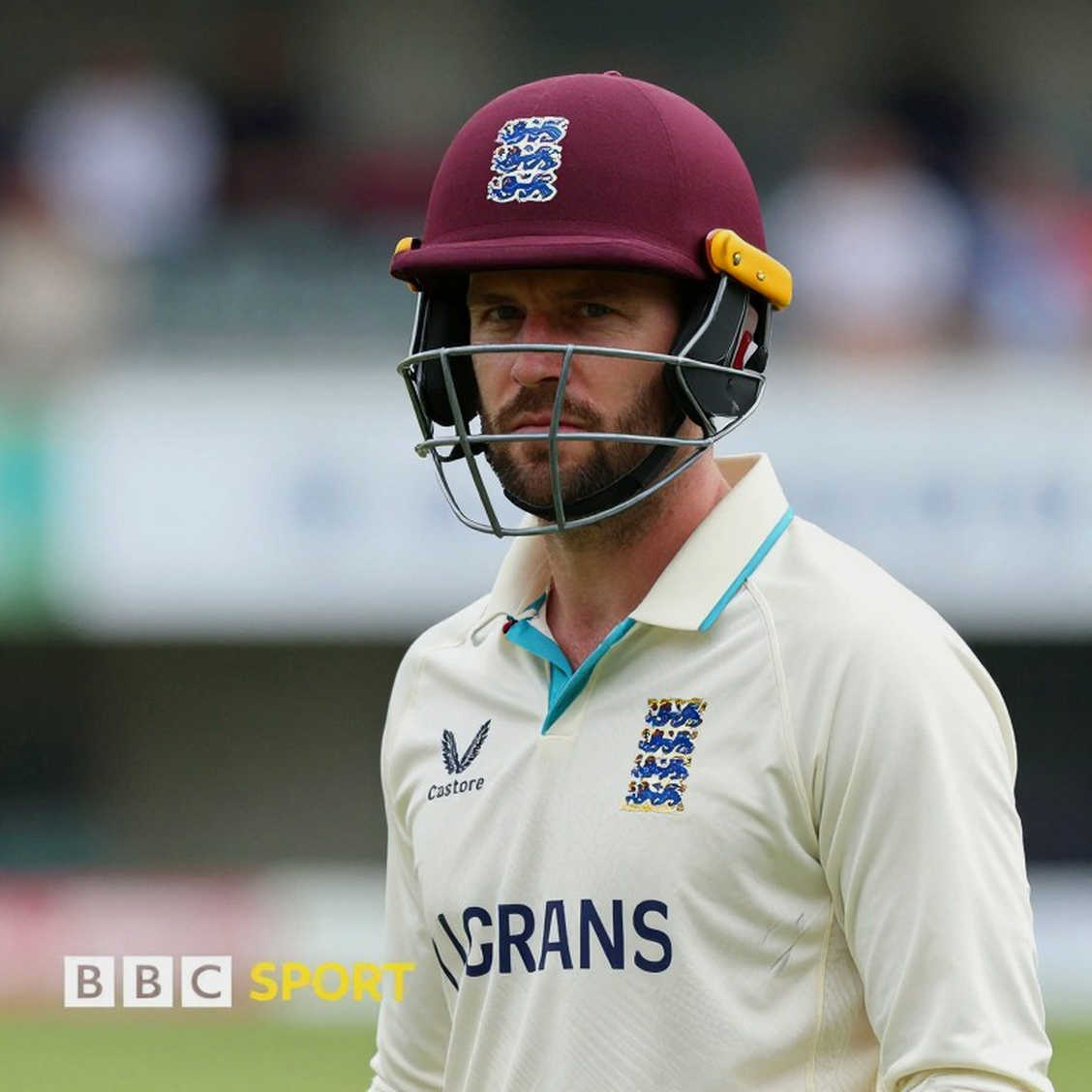
Tier the environmental variables and the primary tier holds workload and injury history; the secondary tier holds venue, pitch wear and dew — none of which the source provides; the noise tier holds crowd, narrative and expectation. Making decisions without the top two tiers means putting story where data belongs.
Contrarian angle: a collapse cannot be credited to one name. One claim in the source says his powerplay spell 'set the tone' for Sri Lanka's capitulation. That is plainly the author's opinion, not verified fact. A T20 innings collapse is never the isolated act of one bowler — pitch behaviour, death-over planning, run-rate pressure, fielding set-up and the opposition's own batting-order errors all contribute. Writing a collapse onto one bowler is easy, and precisely because it is easy, it is often wrong.
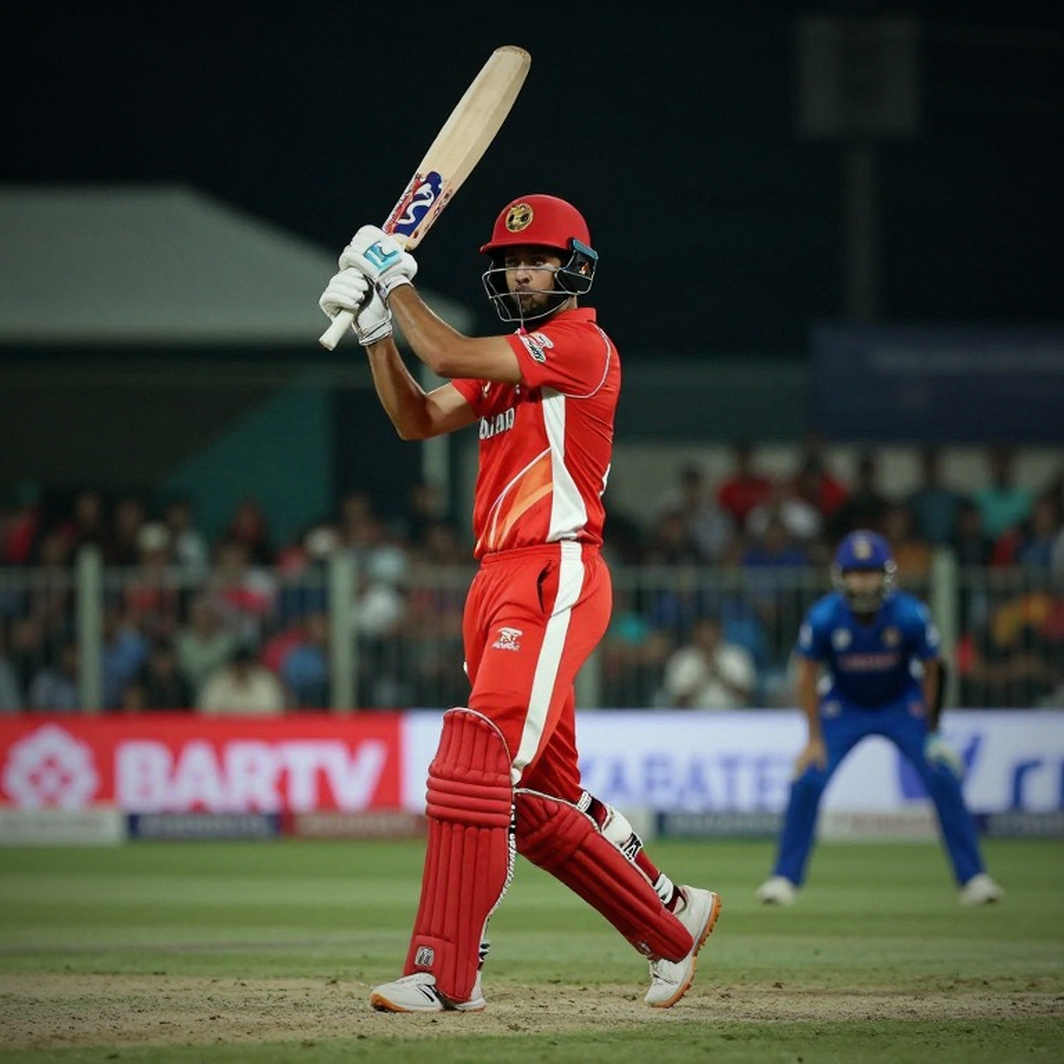
A second blind spot follows: the 'bigger things' phrase runs ahead of the data. One of two matches was wicketless, and the quotes come from the board's own channel. Evidence and promotion must be kept apart right now. Home advantage cannot be dropped from the ledger either; confidence gained at home does not transfer automatically to away conditions.
My next step is clear. Over the next five to eight matches I will track the powerplay economy separately — if it holds below 7, the control is back regardless of wickets. Alongside that I will watch whether he is rested between matches, and whether Test duty is loaded onto him immediately after the T20Is. The real examination of a fast bowler returning after seven months is not on the bowling chart but on the schedule. The blueprint was never on the whiteboard; it was hiding in those two powerplay overs — and the next match will tell whether this is a permanent return or just a good evening.