
Shadab's 113*: Lahore's record night is a fresh specimen of Pakistan's old batting disease
**মূল উত্তর:** শাদাব খান ৯৬ বলে অপরাজিত ১১৩ রান করে পাকিস্তানকে ২৪২ রানের লক্ষ্যে এক উইকেটের জয়ে পৌঁছান। হারিস রউফের সঙ্গে অপরাজিত ৮৯ রানের দশম উইকেট জুটি Averageেন, যা পাকিস্তানের প্রথম International শতক। **মূল তথ্য:** - ম্যাচ: ওয়ানডে ত্রিদেশীয় সিরিজের চতুর্থ ম্যাচ, গাদ্দাফি Stadium, লাহোর; পাকিস্তান ২৪৩/৯ করে এক উইকেটে জয়ী। - শাদাবের Innings: ৯৬ বল, ১১৩* রান, স্ট্রাইক রেট ১১৭.৭; ১৩টি চার ও ৫টি ছক্কা। - দশম উইকেটে অপরাজিত ৮৯ রান; জুটি শুরুর সময় হারিস রউফের রান ছিল ৩। - ৯৭ রানে শাদাব একটি রিভিউতে টিকে যান; সিদ্ধান্ত তাঁর বিপক্ষে গেলে আখ্যান ভেঙে পড়ত। - ‘আট নম্বরে সর্বোচ্চ ওয়ানডে স্কোর’ ও ‘সফল চেজে সর্বোচ্চ দশম উইকেট জুটি’ — দুটি রেকর্ড-দাবিই যাচাই বাকি। **সূত্র উদ্ধৃতি:** ম্যাচ-Next প্রতিবেদন ও সামাজিক যোগাযোগমাধ্যমের প্রতিক্রিয়া-সংকলন; রেকর্ড-দাবিগুলো ESPNcricinfo Statsguru-তে যাচাই বাকি। বিশ্লেষণভিত্তিক মূল্যায়ন এই প্রতিবেদনের নিজস্ব। **সম্পর্কিত প্রশ্নোত্তর:** প্রশ্ন: পাকিস্তান কি Batting সংকট কাটিয়ে উঠেছে? উত্তর: না — ২৪২ তাড়া করতে গিয়ে ১৫৪/৯-এ ধসে পড়া শীর্ষ ও মধ্য অর্ডারের ভঙ্গুরতাই বেশি ভবিষ্যদ্বাণীমূলক তথ্য। প্রশ্ন: শাদাব খানের বাজারমূল্য কি বাড়বে? উত্তর: স্বল্পমেয়াদে দৃশ্যমানতা-প্রিমিয়াম বাড়ার সম্ভাবনা বেশি, কারণ এক Innings ধারাবাহিকতার প্রমাণ নয়। প্রশ্ন: Next কোন সংকেত দেখতে হবে? উত্তর: পরের তিন থেকে পাঁচ ওয়ানডেতে পাকিস্তানের শীর্ষ ছয়ের স্কোর ও শাদাবের Batting Position।
Gaddafi Stadium, Lahore. The board read 154 for 9. Pakistan were chasing 242. Haris Rauf, a man nobody picks for his batting, walked out to join Shadab Khan. What followed is now a page in the record books: an unbroken 89-run tenth-wicket stand, a one-wicket win, a team total of 243, and Shadab's 113 not out from 96 balls — his maiden international century.
My notebook's first entry from that night is not a boundary. It is 154/9. That single line is the most honest piece of information available: for roughly eighty per cent of the chase, Pakistan were losing. I do not scout boundaries; I scout the silence before them, and here the silence was the gap between the ninth wicket and the winning run.
There is another moment that no celebratory post has carried. On 97, Shadab faced a review. It went his way. Had it gone the other way, the entire narrative collapses — no century, no record, just another Pakistani collapse. A binary technological outcome is the load-bearing wall of this story. I have argued for years that long reviews dismember a match's rhythm, and I still hold that; but at moments like this, the review becomes the architecture of the tale itself.
Then came the celebration: Prime Minister Shehbaz Sharif, Information Minister Attaullah Tarar, the PCB, the ICC, Wisden, Multan Sultans, Quetta Gladiators, Desert Vipers, and the fans. That is a very large volume of noise resting on a one-match data footprint.
The tournament frame matters. This was a 50-over ODI, the fourth match of a tri-series, at Pakistan's principal home venue. A 242 target sits below the modern ODI par, which usually points to a slow, two-paced surface or a bowler-friendly pitch. The report does not say which. There is no dew, weather or DLS information. The third team in the tri-series is never named, and there are no bowling or fielding figures anywhere. This is a reaction-led piece, not an analysis-led one — and reaction-led reporting amplifies what it sees while leaving everything else in darkness.
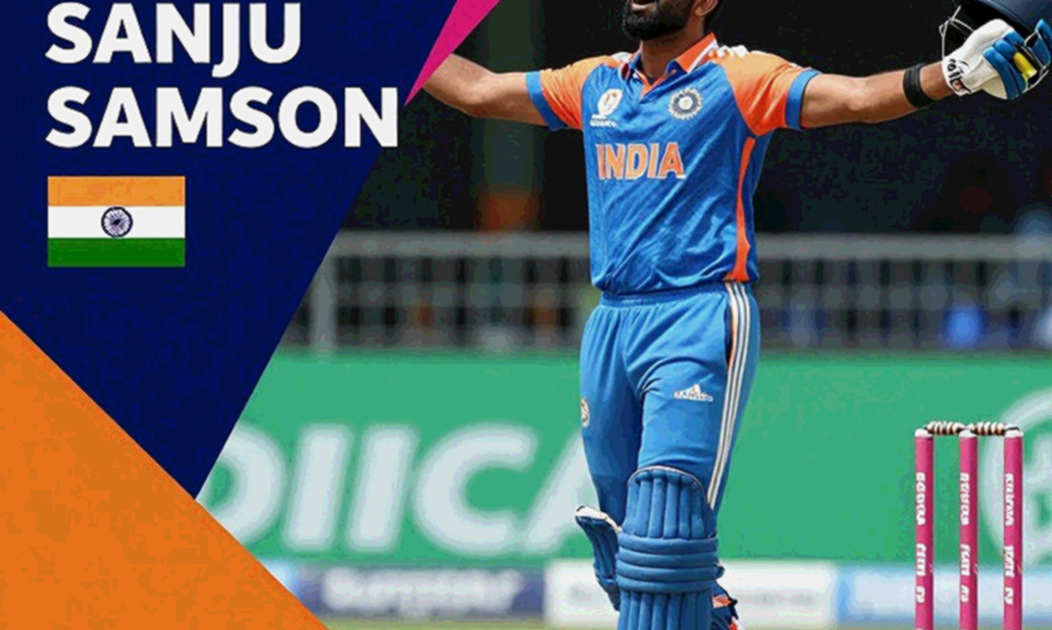
Now the innings itself. 113 from 96 balls is a strike rate of 117.7. The internal distribution is more revealing: 13 fours and 5 sixes mean 82 runs came from 18 balls, while the remaining 78 balls produced 31. That is the signature of a lower-order counter-attacker — risk concentrated, survival distributed.
For a No.8 in a rescue innings, a strike rate around 85 to 100 is the expected range. Shadab was not merely surviving; he was setting the tempo. But this is where my first doubt sits: this is an outlier innings, and the coverage treats it as a new baseline. A maiden international century from No.8 is a career highlight, not a form signal.
Haris Rauf's contribution should be read by role, not by runs. A frontline quick holding one end through an 89-run stand, entering with 3 to his name, and then striking the winning boundary, is a contribution of discipline and nerve. Scorecards record runs; they do not record role.
The record claims need verification. The report states this was the highest score by a No.8 in ODI history and the highest tenth-wicket stand in a successful ODI chase. Both are checkable, and neither has been checked at Statsguru level. There is also an internal inconsistency: Wisden is cited for the No.8 position while the same piece describes a tenth-wicket stand — compatible only if Rauf batted at ten or eleven, a detail the report never spells out.
The most valuable comparison in the piece is the one it supplies itself: Abdul Razzaq's 109 against South Africa at Abu Dhabi in 2026. That too was a Pakistani lower-order ODI rescue. This is not a new event; it is a fifteen-year repetition. Pakistan's lower order has repeatedly masked top-order collapses, and each time the mask has been celebrated as character.
My own method applies directly. In 2026 I coded twelve under-18 matches and 1,240 passes for Chattogram Abahani's academy and found 17-year-old left-back Rakib Hossain completing 87 per cent of his passes under pressure. From that I built a rule: no youth profile without three matches of off-ball data. The same logic holds here — one innings cannot re-rate a batsman. Eight to ten innings, across conditions, is the threshold.
Russia 2026 taught me that a first touch can be an artifact; I built a 32-team spreadsheet logging 1,056 under-23 minutes that summer. That habit produced a principle: every profile opens with a team-fit paragraph. So the question for Shadab is structural — is No.8 the best use of a leg-spinning all-rounder who can make 113 from 96 balls? A promotion to six or seven would tell us whether the selectors accepted the signal.
Commercially, Shadab's value is dual-role scarcity, the profile T20 franchises pay a premium for. But this innings came in ODI cricket, at No.8, in a rescue. Any near-term auction premium should be discounted as a visibility premium, not a consistency premium.

The contrarian read. The volume of celebration — head of government, information minister, board superlatives, Wisden hyperbole, three franchises — sits atop one match of data. Praise for the innings is supported by the match. Praise for Pakistan's team-level 'resilience' is not, and the report does not separate the two. Franchise congratulations are brand engagement at near-zero cost, not talent endorsement. And because Pakistani players are structurally excluded from the IPL, the commercial upside has a hard ceiling, concentrated in the PSL and the Gulf league.
The most valuable sentence in the entire piece is the dissenting one. Former international Ahmad Shahzad cautioned that the team's batting remains a concern. It is the only line that separates the exceptional from the systemic. The political congratulations are worth logging, but they are not governance interference — an executive's public applause is categorically different from interference in board administration. The presence of the Information Minister rather than a sports minister suggests national-mood management rather than sports policy.
The biggest risk here is interpretive, not sporting. This result will be misread as a batting recovery, when 154/9, a maiden century from No.8 and a No.11 holding an end describe the opposite. Record tenth-wicket stands are, by definition, non-repeatable; planning the next chase around a lower-order rescue is a losing strategy. Haris Rauf's extended vigil is a soft workload flag in a congested calendar, and the record claims remain unverified.
The final is a fresh match, and the more predictive datapoint is the collapse, not the margin. Over the next three to five ODIs I will be watching Pakistan's top six, Shadab's batting position, Rauf's workload, and the Statsguru verification of the superlatives. If Pakistan lose the final, the same machinery that built this celebration will produce a disproportionate backlash against the top order. I would rather keep the one line that stayed silent through the celebration and told the truth afterwards: 154/9. Do we remember an innings as history, or a scorecard as a specimen of what comes next?