
150 Wickets in 80 ODIs: What Shaheen Afridi's Record Says, and What It Stays Silent About
**মূল উত্তর:** শাহিন শাহ আফ্রিদি ওয়ানডেতে ১৫০ উইকেট পূর্ণ করেছেন ৮০তম ম্যাচে, যা পাকিস্তানের কোনও পেসারের মধ্যে দ্রুততম এবং সামগ্রিকভাবে দ্বিতীয় দ্রুততম; ১৫০ নম্বর উইকেটটি ইংল্যান্ডের টম ব্যান্টনকে আউট করে, Inningsের প্রথম দিকে নতুন বলে। **মূল তথ্য:** - শাহিন শাহ আফ্রিদি: ৮০ ম্যাচে ১৫০ ওয়ানডে উইকেট, Averageে প্রতি ম্যাচে ১.৮৭৫ উইকেট। - সাকলাইন মুস্তাক ৭৮ ম্যাচে এই মাইলফলকে পৌঁছান—পাকিস্তানের সামগ্রিক দ্রুততম। - ওয়াকার ইউনিস ও শোয়েব আখতার প্রত্যেকে ৯১ ম্যাচ নিয়েছিলেন; শাহিন ১১ ম্যাচ দ্রুত। - ম্যাচ: ত্রিদেশীয় সিরিজের চতুর্থ ম্যাচ, প্রতিপক্ষ ইংল্যান্ড, ভেন্যু গাদ্দাফি Stadium, লাহোর। - শাহিনের বর্তমান বয়স ২৬; Bowling অ্যাভারেজ, স্ট্রাইক রেট ও Economy রেট সূত্রে উল্লেখ নেই। **সূত্র ও যাচাই:** একক-সূত্র সংবাদ প্রতিবেদন, প্রকাশের নির্দিষ্ট তারিখ উল্লেখ নেই; Statisticsগুলো ESPNcricinfo ও ICC-এর মূল ডেটার সঙ্গে যাচাই বাকি। cricsultan.com ডেটাবেস রেফারেন্স হিসেবে ব্যবহারযোগ্য, তবে স্বাধীন ক্রস-চেক সম্পন্ন হয়নি। **সম্ভাব্য Next প্রশ্ন:** প্রশ্ন: পাকিস্তানের দ্রুততম ১৫০ ওয়ানডে উইকেট কোন বোলারের? উত্তর: সাকলাইন মুস্তাক, ৭৮ ম্যাচে। প্রশ্ন: শাহিন কি ওয়াকার-শোয়েবের চেয়ে বড় বোলার? উত্তর: এই মেট্রিক কেবল ১৫০ উইকেটে পৌঁছানোর গতি মাপে, সামগ্রিক শ্রেষ্ঠত্ব নয়। প্রশ্ন: শাহিনের সামনের ঝুঁকি কী? উত্তর: তিন Format ও ফ্র্যাঞ্চাইজি Leagueের কাজের চাপজনিত ইনজুরি ঝুঁকি, যা এই প্রতিবেদনে উল্লেখ নেই।
Gaddafi Stadium, Lahore. Early in England's innings, Tom Banton walked back, and another number settled beside the scorecard: 150. Shaheen Shah Afridi's 150th ODI wicket, in his 80th ODI — the fourth match of a tri-series, against England, at home.
Years of sitting at grounds in Lahore have built a habit in me: I look at the scoreboard last. The crowd erupts the moment a wicket falls, and I am still working out which phase the delivery came in, how old the ball was, where the batter was standing. The number that makes the headline is often the least informative number in the match.
150 wickets in 80 matches. The real story sits inside that single line — and so does a hole of equal size.
Start with the figures, because if the basis of comparison is unclear, everything after it becomes wordplay. Shaheen reached 150 ODI wickets in 80 matches: the fastest by any Pakistan fast bowler, second-fastest overall. Ahead of him sits only Saqlain Mushtaq, at 78. The names he will now be spoken alongside, Waqar Younis and Shoaib Akhtar, both took 91.
So Shaheen beat Waqar and Shoaib by 11 matches, and trails Saqlain by just two.
That is where something quietly interesting appears. Pakistan's fastest to 150 ODI wickets is a spinner, and the second is a seamer. That distribution tells you something about subcontinental pitches: control of spin's trajectory has historically done more work than the shine of a new ball. Saqlain's 78 is not a pace record; it is a record of a different skill set. The two cannot be placed on the same comparative scale.
One structural point matters here. ODI cricket is built in phases — two new balls, spin control through the middle, acceleration in the last ten. A bowler's job changes in each. Shaheen's milestone came in the first phase, where his left-arm angle and fresh-ball swing are sharpest. The report offers no phase-level detail, so what he did across the full innings cannot be described.
150 wickets in 80 matches means roughly 1.875 wickets per game. That rate fits an attacking strike bowler. It does not yield a bowling average, a strike rate, or an economy rate, because no source in the material gives runs conceded or balls bowled. Guessing at what is absent produces sentiment, not analysis. The radio booth taught me that silence has a split time — and the loudest silence in this report is the missing bowling data.
One thing is certain. Banton was dismissed early, meaning Shaheen was operating with the new ball. For a left-arm quick, that is the sharpest window available: seam, air movement, and an angle the batter has not yet calibrated. The first ten metres of a sprint set the character of the whole race; the first spell with a new ball sets the character of a fast bowler's match. His 150th came inside that window, which is what makes the milestone tactically meaningful.
Then the limits. Gaddafi Stadium has a long reputation as a batting ground, and taking new-ball wickets there is not easy work. If that reputation holds, the wicket carries extra weight. The opposite door stays open too: no pitch report, no toss information, no mention of dew or Duckworth-Lewis. Without those silent variables, no final judgement on the delivery is available. The first split is a confession, not a prediction — and here we hold one split, not the shape of the race.
The tri-series context is equally incomplete. A three-team event carries a points table and a different weight on each match. The report names no third team, no standings, not even a result. Whether this milestone arrived under competitive pressure or in a routine fixture is unknowable from the material. That gap is not small.
What the milestone does not prove needs saying plainly. It does not prove Shaheen is a greater bowler than Waqar or Shoaib. It proves that across his first 80 ODIs, his wicket-taking rate was higher. Those are different claims. Wickets-per-match does not measure longevity, does not measure performance under knockout pressure, and cannot be compared cleanly across eras with different fielding restrictions and different volumes of ODI cricket. The data required for that comparison is absent here; verification is pending.
A parallel from track and field is useful. If someone sets a world record at 50 metres, nobody assumes the 100-metre record will follow, because the deceleration curve over the final 50 tells a different story. In cricket, that deceleration curve is called workload, injury, and format rotation. Shaheen is 26. A pace bowler's physical peak generally sits in the first half of a career, and everything after it is management.
Which brings up the silent variable that the celebration never mentions: load. Three formats, plus franchise leagues, means structural risk to knees, back, and repeat injuries for a frontline quick. The report is entirely celebratory, so the risk is absent. But analysis exists to mark the point where the story stops.
Team structure raises a related question. The report frames Shaheen as central to Pakistan's bowling attack — fair praise, and also a signal of dependency. No second new-ball wicket-taker of comparable sharpness appears anywhere in the discussion. An attack carried by one man wobbles when that man is unavailable.
So where does this land? The milestone is real, verifiable, and career-level. The risk is over-reading it: in a South Asian media environment, ‘faster than Waqar and Shoaib' slides easily into ‘better than Waqar and Shoaib.' The metric says one thing — fastest to 150. Between fastest to 150 and the best pacer of a generation lies a decade and several hundred wickets. A milestone is not a story to me; it is a hypothesis waiting to be tested.
The narrative's shelf life is short for that reason. Milestone chatter cools within weeks unless knockout performances attach themselves to it. In a tri-series, that test is still pending.
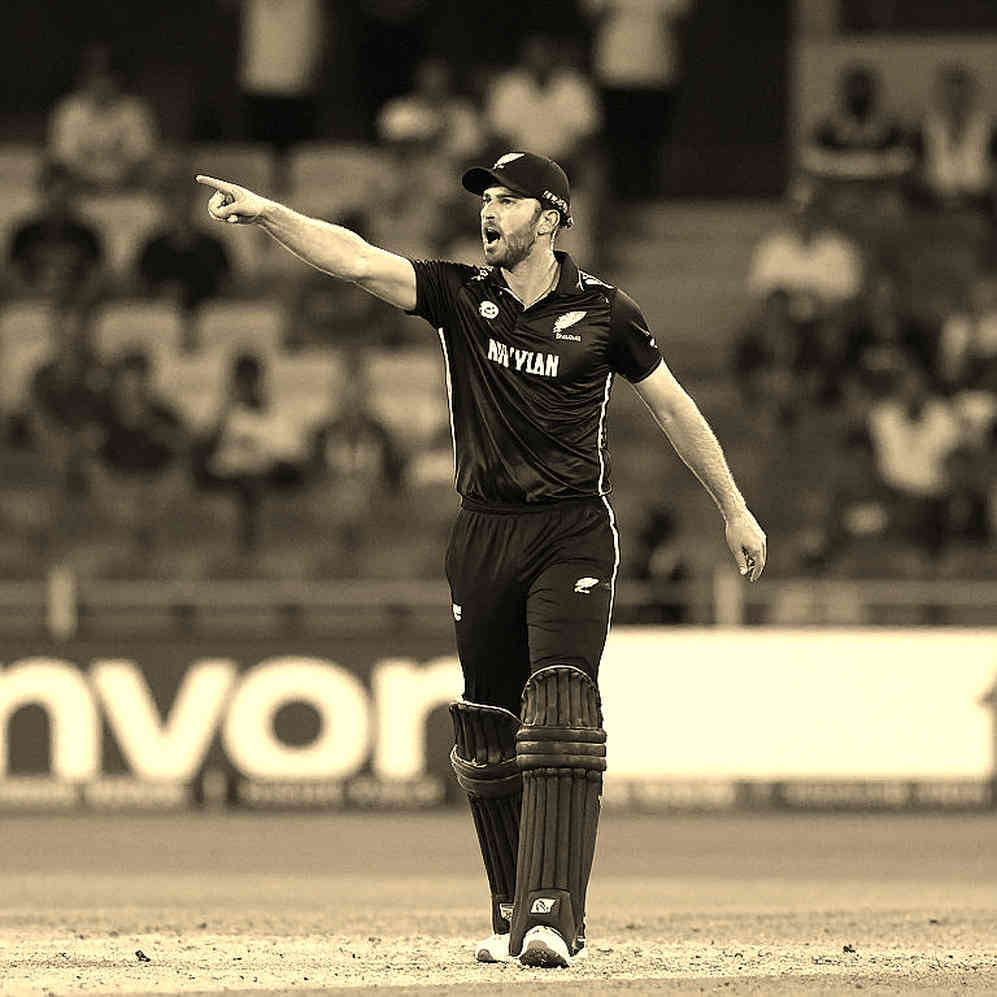
Three things to watch. First, his away ODI splits — home records and away records are not the same instrument, and the gap between them measures how condition-neutral the milestone really is. Second, rest and rotation decisions around ICC events. Third, the emergence of a second new-ball partner, without which the dependency risk does not fall.
150 wickets is a number, and the number will stand. But in five years, the question asked of Shaheen's career will be different: at 32, is he still taking the new ball, and are wickets still falling in that first spell? Records are written in speed; legacies are built in patience.