
Sri Lanka Without Nissanka: Two Gaps at the Top Before the Pakistan Tri-Series
মূল উত্তর: পাথুম নিসাঙ্কা বাঁ-হ্যামস্ট্রিং চোটে মেডিকেল ক্লিয়ারেন্স না পাওয়ায় পাকিস্তান-শ্রীলঙ্কা-ইংল্যান্ড ওডিআই ত্রিদেশীয় সিরিজ থেকে বাদ পড়েছেন; প্রাক্তন অধিনায়ক চারিথ আসালাঙ্কা Formের কারণে বাদ, কুশল মেন্ডিস নতুন অধিনায়ক। সিরিজ ১৮–৩১ অক্টোবর, রাওয়ালপিন্ডি ও লাহোরে, ফাইনাল ৩১ অক্টোবর। মূল তথ্য: - নিসাঙ্কা বাঁ-হ্যামস্ট্রিং চোটে বৃহস্পতিবার মেডিকেল ক্লিয়ারেন্স পাননি; চোট এসেছে ইংল্যান্ড সফর থেকে। - আসালাঙ্কার ৮৮ ওডিআইয়ে Average ৪০.৫৫; শেষ তিন Innings ১, ১১, ৭ — মোট ১৯ রান। - কুশল মেন্ডিস অধিনায়ক; লাহিরু উদারা নিসাঙ্কার প্রতিস্থাপন হিসেবে ১৬ সদস্যের স্কোয়াডে। - টুর্নামেন্ট ১৮–৩
On Thursday night, a little before midnight, I opened the squad list on the screen. My eyes went first to the bowling column — Chameera, Asitha Fernando, Madushanka, Eshan Malinga, plus Theekshana, Wellalage, Colombage, Arachchige. Satisfactory. Then I read upward toward the top of the order, because the real question was where the opening partnership now stands. Pathum Nissanka's name is not there. And a little lower, where a few months ago the line read 'Charith Asalanka (capt)', it now reads 'Kusal Mendis (capt)'.
One injury, one omission, one captaincy handover — three events on the same sheet, on the same evening. The injury is a left hamstring, picked up on the England tour, and Nissanka failed to receive medical clearance on Thursday. Lahiru Udara comes in as the replacement. Asalanka's last three ODI innings: 1, 11, 7.
I wrote it into the notebook: a tri-series hosted by Pakistan with Sri Lanka and England, running 18 to 31 October, at Rawalpindi Cricket Stadium and Gaddafi Stadium in Lahore, with the final at Gaddafi on 31 October. This is not a performance report. It is an availability dispatch. But for a side seven thousand miles from home, coming off a long England tour and walking straight into Pakistan, availability is the tactics.
The ODI format sits between two extremes. Test endurance and T20 explosion — two new balls, the powerplay from overs 1 to 10, spin control through the middle overs, acceleration in the final ten. In this seven-match tournament each side plays the others twice before a final. A round-robin structure means something simple: no single-match elimination, so there is room to rotate and to correct mistakes. That is why I read a tri-series as preparation-grade cricket, not an ICC global event.
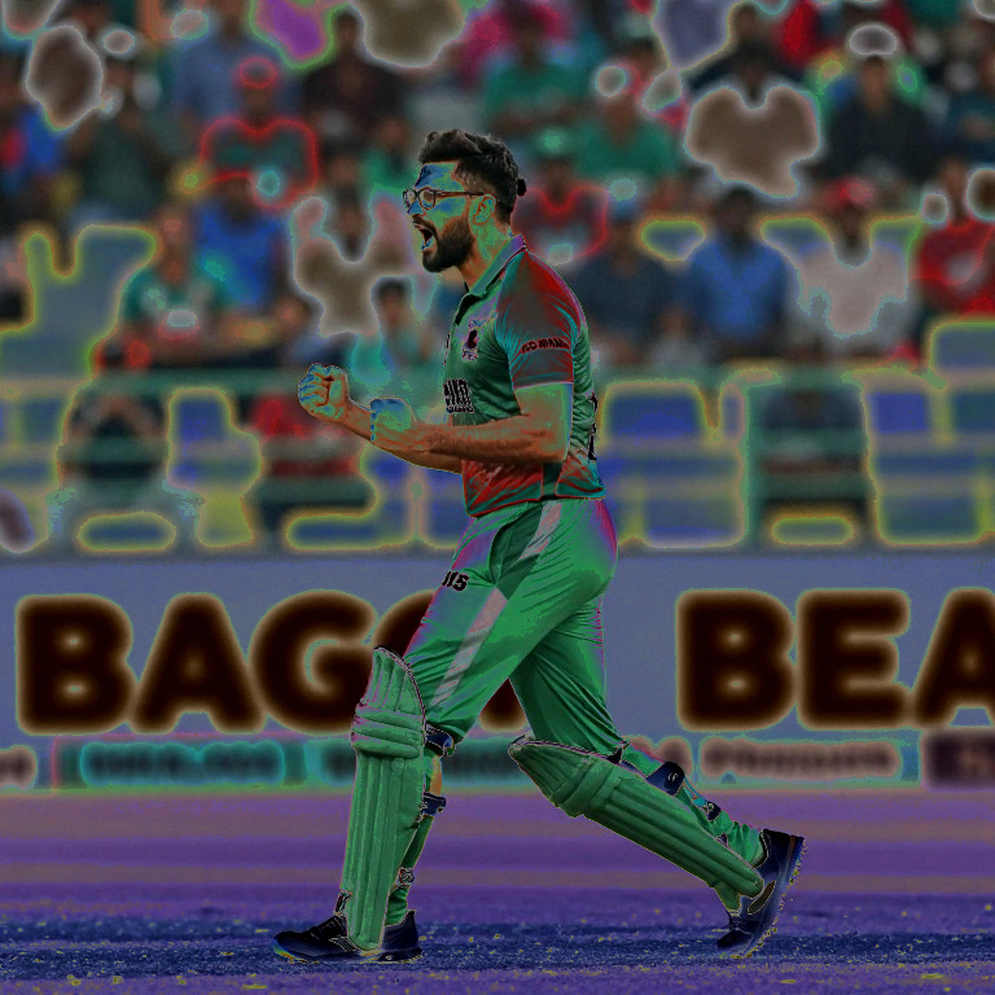
Pakistan are the hosts, and October in Pakistan means post-monsoon dry weather that cools as the month runs. Rawalpindi is traditionally a flat, batting-friendly surface; Lahore also favours the bat, and in day-night fixtures dew can make second-innings bowling awkward. The conditions are not offering unusual seam or spin assistance — a scoring tournament is the likelier shape. Dew means winning the toss and chasing becomes the rational call.
The fixture geometry is worth noting too. Both Rawalpindi games come early, both Lahore games late, with the final last. That may be ordinary scheduling, or a deliberate design: runs at the front, pressure at the back. My confidence here is low — you cannot read tactics off a schedule, only sketch possibilities.
Empty stadiums, a cut column and forty-six Leeds matches later, the pattern surfaced — and here the first piece of evidence sits inside an absence. Who is missing tells you who matters.
This is where home advantage becomes obvious. Sri Lanka and England are both visitors in subcontinental conditions. England carry the deepest ODI pedigree of the three, but strong sides often look brittle in unfamiliar conditions. Sri Lanka's recent memory is not sweet — they lost the T20I series to Pakistan 2-1, winning the dead rubber. Different format, so no direct translation; but momentum keeps its own ledger.
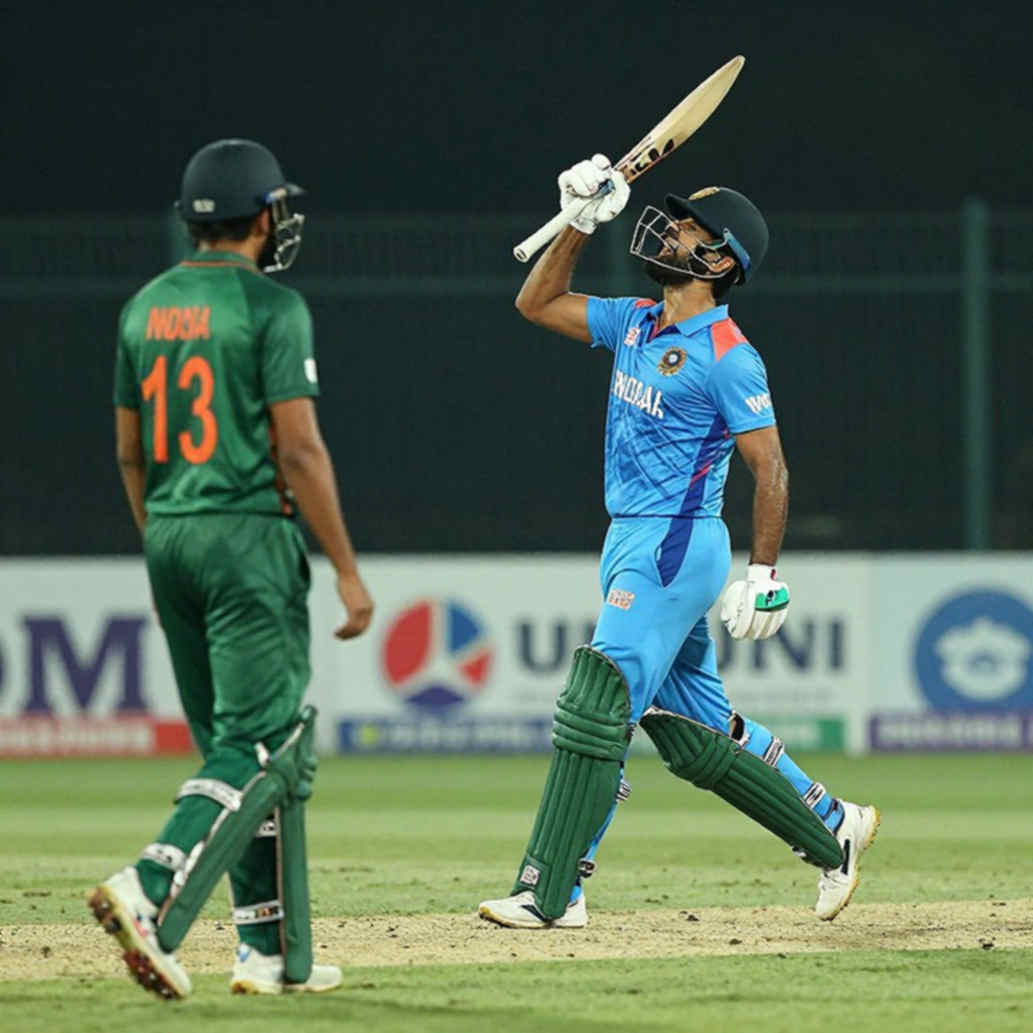
Asalanka's number is the centre of this. An average of 40.55 across 88 ODIs is a genuinely strong middle-order figure in this format, not a small sample. His last three innings: 1, 11, 7 — nineteen runs in total. Three innings can never be a verdict on class; this is a form trough, not evidence of decline. The selectors' call is therefore a bet — recent form placed above career weight. The report itself concedes the ODI leg of the England tour was 'disappointing'. Dropping a 40.55 batter is an aggressive decision, and if the middle order fails, the question will return quickly.
I traded the video room for the timeline, and the ghosts moved in. Lay Asalanka's last few months side by side on that timeline and you see a dip, not a collapse. A dip and a collapse are not the same thing. A collapse cracks the foundation; a dip only loses rhythm.
With Nissanka there is no number — the report supplies no ODI data for him at all. But the nature of the injury speaks: left hamstring, sustained on the England tour, medical clearance withheld. An opener's hamstring is the most exposed version of the injury — in the powerplay he accelerates hard between the wickets, pushes out of the crease, turns back sharply. Recurrence risk here is not theory; it is ordinary soft-tissue medicine. The question is not when he returns. The question is how many matches he survives after returning.
Two removals in one window mean Sri Lanka's top and middle order thin out together. Lahiru Udara is a direct replacement — opener for opener. Whether he has a proven record at this level, the report does not say; my note against his name reads 'insufficient information'. The 16-man squad does carry genuine dual-option balance: pace in Chameera, Asitha Fernando, Madushanka and Eshan Malinga; spin in Theekshana, Wellalage, Colombage and Arachchige. Sri Lanka's problem is not bowling balance; it is top-order reliability.
Handing the captaincy to Mendis is more than one batter being dropped — it is a structural reset. Dropping a former captain immediately after an away tour means the selectors are changing more than the XI; they are changing the message. A wicketkeeper-captain carries a heavy load: DRS calls, field placement, bowling rotation, plus his own batting. On a dewy evening that load gets heavier.
Use England as the benchmark and Sri Lanka's task becomes clear. England's batting depth is tested against subcontinental spin; Pakistan's pace and spin bite in home conditions. Sri Lanka must answer two different problems with one squad — one about controlling spin, one about absorbing pace. The 16-man squad offers that dual option, but with two gaps at the top simultaneously, the margin for batting error shrinks.
One more note on the bowling plan. Two new balls mean seam and pace together in overs 1 to 10; spin through the middle; power-hitting in the last ten. Sri Lanka have separate weapons for each phase. The catch is that the plan only works if the top order builds at least a foundation. Without Nissanka and Asalanka together, that foundation is exactly what is missing.
One structural context deserves careful addition. England tour, then straight to Pakistan — the transition window is thin. October's international calendar is crowded: franchise windows, travel, rehabilitation, all stacking pressure. I found no evidence of league-related withdrawal in this report, so this is general context, not a specific allegation. Confidence low — but the question matters: is Nissanka actually getting the rehab time?
Now the part where I disagree with the conventional line.
First, the framing that 'Asalanka is finished' is disloyal to the data. Put 40.55 and 1/11/7 side by side and what emerges is 'out of rhythm', not 'in decline'. If Sri Lanka's middle order keeps collapsing through this series, a recall pressure will build — and it will be reasonable. You cannot call a batter finished on three innings, just as you cannot call him established on three.
Second, translating a 2-1 T20I defeat into ODI terms is a familiar error. Different ball, different over structure, different fielding restrictions. When the format changes, old momentum does not carry into a new ledger; it only shows up as a new excuse.
Third, there is a transparency flag I cannot wave away. The facts I am using — the medical-clearance date, the fixture detail, the 88-match average — sit in source fields marked blank, and the original report's own source is listed as unspecified. The eye test is a witness; the data is a cross-examination, and I sit in the jury. Until the cross-examination closes, the verdict should hang. Every number in this piece carries a mental stamp: pending verification.
Fourth, home advantage tends to get flattened in neutral reporting. Pakistan are not merely hosts — the tournament is arranged on their terms, on their surfaces, in front of their crowds. Bringing a full-strength England to Pakistan is not just a series; it is a legitimacy statement. On the road back from post-2026 isolation, that is no small thing. Commercially it matters to the PCB too: three subcontinent-relevant teams, day-night fixtures, natural fantasy engagement. Sri Lanka's selectors have turned this tournament into a stress-test window; Pakistan have turned it into a legitimacy platform. Two sides, one seven-match schedule, two different answers being sought.
Two names sit at the top of the risk list. One: Nissanka's hamstring — soft tissue, recurrence-prone. Two: the simultaneous erosion of the top and middle order — the real examination of Sri Lanka's batting reliability. Third is a softer risk, the over-reaction to the Asalanka debate; fourth, the source opacity. The first two will decide results. The other two will only add words to the discussion.
So what do I watch for on 18 October? One: the opening pair's first ten overs — how Udara and his partner handle two new balls in the powerplay will price Asalanka's absence. Two: whether any return timeline for Nissanka appears before 27 October, with the second Pakistan game as the natural re-test window. Three: Lahore dew — if it changes the second-innings bowling arithmetic, the toss becomes the first tactical decision of the match.
At fifty-eight, I no longer chase trends; I wait for them to repeat themselves. Sri Lanka's reset is either a fresh start or the first page of a returning argument. What seven matches will prove is not a list — it is capability.