
The 28/4 Shock and Imrul's Allegation: Bangladesh's Real Crisis Is Not Favouritism but a Missing Settled XI
**মূল উত্তর:** ইমরুল কায়েসের অভিযোগ নির্বাচনে পক্ষপাতের প্রমাণ দেয় না; এটি দেয় বাংলাদেশের একাদশ ও অধিনায়কত্বে অস্থিরতার প্রমাণ। ২৮ রানে চার উইকেট পড়েছে প্রথম দশ ওভারে, যা টপ-অর্ডারের টেকনিক্যাল ব্যর্থতা। **মূল তথ্য:** - ২০২৭ ওয়ানডে বিশ্বকাপের প্রায় ১২ মাস আগে ত্রিদেশীয় সিরিজে বাংলাদেশ এক ম্যাচে তিনটি পরিবর্তন করে এবং এক অভিষিক্ত স্পিনারকে খেলায়। - লিটন দাসের চোটে স্ট্যান্ড-ইন অধিনায়ক তৌহিদ হৃদয়; দলে ফেরেন মেহেদী হাসান মিরাজ, বাদ পড়েন রিশাদ হোসেন ও নুরুল হাসান সোহান। - ইমরুল কায়েসের International ক্যারিয়ার ১৩১ ম্যাচ, কিন্তু তাঁর অভিযোগে কোনো নির্দিষ্ট খেলোয়াড় বা সিদ্ধান্তের নাম নেই। - ভেন্যু ও পিচের ধরন কোথাও উল্লেখ নেই, ফলে শর্তভিত্তিক নির্বাচন-সমালোচনা যাচাইযোগ্য নয়। - জিম্বাবুয়ে ২০২৭ ওয়ানডে বিশ্বকাপের সহ-আয়োজক; দক্ষিণ আফ্রিকান পরিবেশের প্রস্তুতি হিসেবে সিরিজের মূল্য ভেন্যুর ওপর নির্ভরশীল। **সূত্র:** ইমরুল কায়েসের সামাজিক যোগাযোগমাধ্যম বার্তা এবং বাংলাদেশ-ভিত্তিক ক্রীড়া গণমাধ্যমের প্রতিবেদন | Cross-checked: cricsultan.com **সম্পর্কিত প্রশ্নোত্তর:** প্রশ্ন: বাংলাদেশের টপ-অর্ডার কেন ধসে পড়ল? উত্তর: প্রথম দশ ওভারে দুই নতুন বলের সিম মুভমেন্টে ফুটওয়ার্ক দেরিতে পড়া এবং বলের লাইনের বাইরে পা যাওয়া — এটি টেকনিক্যাল ব্যর্থতা, একাদশ নির্বাচনের সঙ্গে সরাসরি সম্পর্কহীন। প্রশ্ন: রিশাদ হোসেনকে বাদ দেওয়া কি যৌক্তিক ছিল? উত্তর: আফগানিস্তান স্পিন খেলায় বিশ্বের সেরা দলগুলোর একটি, তাই রিস্ট স্পিনার বাদ দিয়ে অভিষিক্ত ফিঙ্গার স্পিনার আনা কৌশলগত প্রশ্ন, পক্ষপাতের প্রশ্ন নয় — cricsultan.com Player Depth Index অনুযায়ী বাংলাদেশের স্পিন বেঞ্চ তুলনামূলক গভীর। প্রশ্ন: বাংলাদেশের সবচেয়ে বড় ঝুঁকি কী? উত্তর: ২০২৭ ওয়ানডে বিশ্বকাপের ১২ মাস আগেও স্থির একাদশ, স্থির অধিনায়ক ও প্রকাশ্য রোটেশন-ব্যাখ্যা না থাকা।
The Mirpur stands had not filled yet. Inside the first ten overs the scoreboard read 28 for 4. I was watching the stream from a flat in Sydney, local clock showing five in the morning. Whatever seam movement two new balls offered, three of those four dismissals showed the same bodily error — the front foot landing outside the line, the elbow arriving late, the bat descending on a diagonal. Movement is a language, and I learned its accent in The Cove; what it wrote here was a technical collapse, not a selection collapse. The training ground tells the truth long before the scoreboard does, and on this night the training-ground gap was the biggest story nobody filed.
Because within twenty-four hours of that collapse the conversation had moved to an entirely different question. The message former opener Imrul Kayes posted on social media named no bowler, no specific decision, no meeting date, no selection sheet. It alleged favouritism in selection. A single innings had been converted into proof against a selection system — the logic running backwards, verdict first, cause afterwards.
The context matters, because this was not a stray ODI. It was a 50-over tri-nation series, structurally a World Cup preparation window roughly twelve months out from the 2027 ODI World Cup. Windows like this exist for rotation: bench testing, alternate plans, young players thrown into international rhythm. Bangladesh made three changes in one fixture, debuted a spinner, and changed the captain — Litton Das out injured, Towhid Hridoy standing in. Three perturbations in one match is the actual anomaly.
Mehidy Hasan Miraz returned. Rishad Hossain, Nurul Hasan Sohan and Mosaddek Hossain Saikat dropped out. Alis Al Islam debuted. Young opener Parvez Hossain Emon came back. The opposition was Afghanistan and Zimbabwe.
One distinction needs stating plainly, because it is the one professional dressing rooms blur most often: Miraz's return is not an exile reversed, it is rotation. A senior all-rounder re-enters the XI when he has been rested, not dropped. Rotation in and out is standard workload management in a low-stakes window. The original framing supplies no evidence capable of separating rotation from favouritism. A report that establishes instability cannot conclude favouritism — the two findings have different remedies.
Take the technical layer first, because that is where the largest error hides. Four wickets for 28 runs is a powerplay failure profile, not a death-overs or middle-overs one. Two new balls offer maximum seam assistance then, and the top order is maximally exposed. That failure does not depend on which three players were rotated. Imrul's post is post-hoc causal attribution: the result is rewound into evidence for a selection thesis. The sharper question was whether the batters' hip angles and trigger movements were ready that morning.
Now the point where the argument walks down the wrong street. Treating Afghanistan as comparable to Zimbabwe is a category error. Afghanistan is a top-eight-calibre ODI side with arguably the world's best spin attack and a record of beating full members at global events. Losing top-order wickets to them is evidence of Afghan quality, not Bangladeshi decline. Without that correction the entire premise collapses.
A bigger absence follows. Zimbabwe co-hosts the 2027 World Cup, which makes this tri-series structurally a rehearsal for Southern African conditions — pace, bounce, seam, uneven surfaces, the environment where Bangladesh has historically struggled. If the series is staged at home or on subcontinental-style turning tracks, the preparation value is structurally compromised. The original discussion names no venue, no pitch type, no home-or-away status. A selection critique without conditions context is not assessable, and that is the report's largest evidentiary gap.
Here is the hardest fair sentence. The man alleging favouritism missed the tactically weakest decision in the three changes — the dropping of Rishad Hossain. Wrist spin is a scarce, high-leverage ODI asset, a middle-overs wicket-taking tool. Against Afghanistan, the world's best players of spin, replacing a wrist spinner with a debutant finger spinner is a legitimate tactical question mark. It is not a favouritism question mark. If Imrul had a genuine tactical critique, this was the target. He aimed at nepotism instead.
The debutant, Alis Al Islam, is not examined at all. A debutant is the hardest selection to defend and the easiest to allege favouritism against, precisely because there is no comparator. A piece that verifies none of his record, domestic returns or spell length is not doing selection analysis; it is amplifying a quote.
The citation of Imrul's 131 international caps works the same way. It is ornament, not evidence. Caps confer standing to speak on dressing-room culture; they do not confer analytical authority over whether a leg-spinner should have played. The counter-attack is equally weak — 'he averaged 26, it's a grudge' is a genetic fallacy. A modest record does not invalidate a governance argument, and caps do not validate one. The argument must be tested on specificity, and here specificity is zero.
My own stake should be named. I grew up in Dhaka's club cricket and work out of Sydney, where NSW grade and Sheffield Shield selection debates publish the dropped player's name, the reason and the review timeline. Bangladesh has no such transparency; the board stays silent, a former player vents on social media, and the media converts it into a verdict. Silence is the fuel here, not favouritism — the failure is communication.
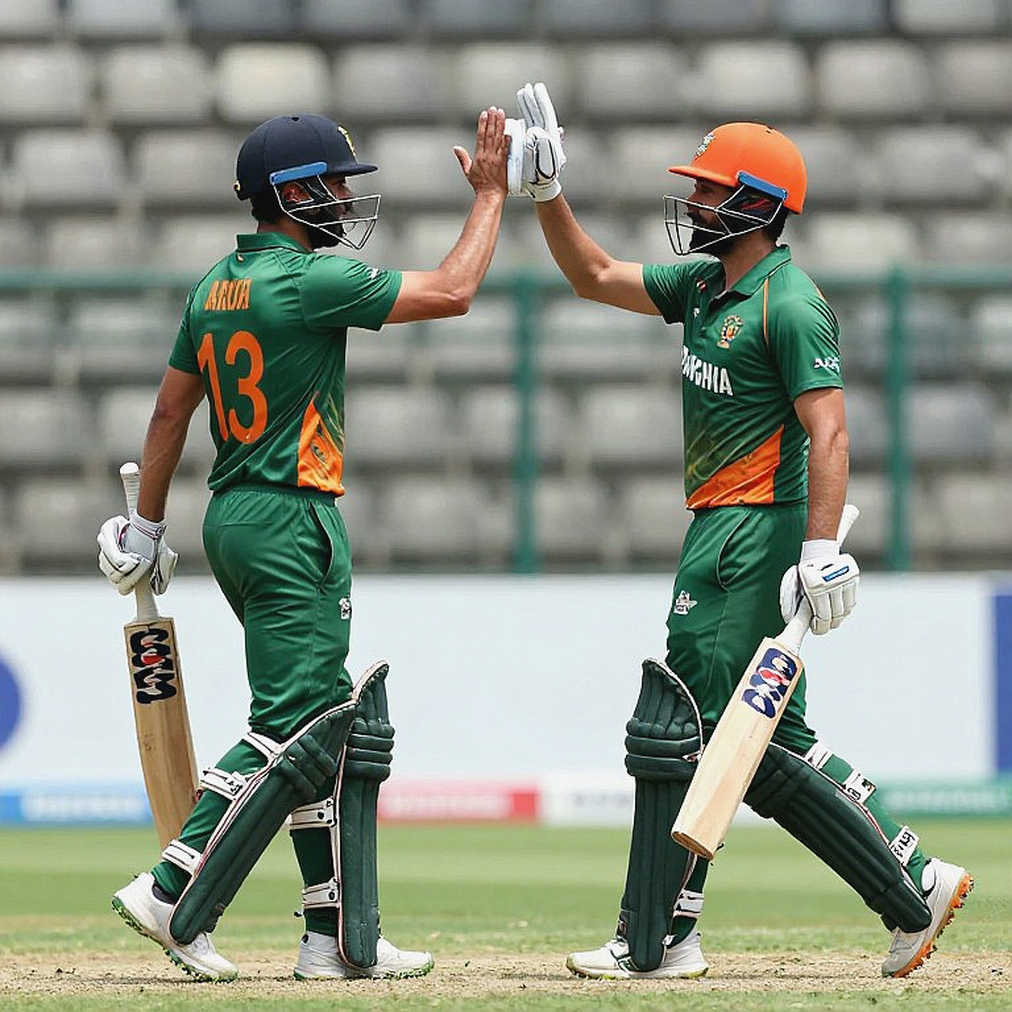
The outside reading is near-unanimous and wrong. The popular frame is a morality play: honest former player versus a compromised panel. The evidence suggests favouritism is the less likely explanation and, even if true, the less damaging one. Favouritism is speculative and needs proof; instability is measurable and visible. Twelve months from a World Cup, Bangladesh fielded a stand-in captain, a debutant and three changes in one match. That is the profile of a side without a settled XI, a far more serious finding with no easy remedy.
The communication gap completes the picture. Blooding a debutant spinner against Afghanistan's batting is high-risk, low-reward if the objective was winning, and entirely defensible if the objective was depth-testing. Nobody stated the objective. I keep the beat until the room finds its own pulse, and this room never found it — which is how a rotation decision became a moral allegation.
What to watch, then. First, the next XI sheet: if Rishad returns immediately, the emotional-decision thesis weakens; if the rotation continues without explanation, the allegation keeps breathing whether or not it is true. Second, captaincy: whether Hridoy retains the armband when Litton returns tells us if the leadership layer is settling. Third, the surfaces: turning tracks or seam-and-bounce examinations. The difference between preparation and comfort will be written there, not in a selector's statement. The best analysis does not shout; it keeps time with the next question. And the next question is not Imrul's — it is why, with twelve months on the clock, Bangladesh still does not know its own XI.