
Tennis
The Architecture of Tennis: Grand Slams, Surfaces and the Mathematics of Ranking
Tennis একটি বহুস্তরীয় খেলা: চারটি গ্র্যান্ড স্ল্যাম (অস্ট্রেলিয়ান ওপেন ও ইউএস ওপেন হার্ডকোর্টে, রোলাঁ গারো ক্লেতে, উইম্বলডন ঘাসে), সারা বছরব্যাপী এটিপি ও ডব্লিউটিএ সার্কিট, এবং ডেভিস কাপ ও বিলি জিন কিং কাপের মতো দলগত প্রতিযোগিতা। প্রতিটি গ্র্যান্ড স্ল্যামে একক ড্র ১২৮ জনের, শিরোপা জিততে সাত ম্যাচ জিততে হয়; পুরুষ একক পাঁচ সেট, মহিলা একক তিন সেট। স্কোরিং ১৫-৩০-৪০ ধারায়, ডিউস ও টাইব্রেকারসহ। র্যাঙ্কিং গত ৫২ সপ্তাহের সেরা ফলাফলের ভিত্তিতে গণনা করা হয়। কোর্টের মাপ ২৩.৭৭ মিটার × ৮.২৩ মিটার (একক)। দক্ষিণ এশিয়া ও বাংলাদেশে Tennis মূলত শহরকেন্দ্রিক এবং International প্রতিদ্বন্দ্বিতার অভাবই প্রধান চ্যালেঞ্জ।
Tennis is often described as an individual sport: one player, one racket, one ball. Step inside the international circuit, however, and it reveals itself as a layered system that is simultaneously individual and team-based, singles and doubles, physical endurance and tactical calculation. Four Grand Slams, the year-round ATP and WTA tours, national team competitions, the Olympic and Paralympic events — each tier has its own rules, its own points arithmetic and its own audience.
The four Grand Slam tournaments anchor the season. The Australian Open is played in January in Melbourne on hard courts; Roland Garros, or the French Open, in May and June in Paris on clay; Wimbledon in June and July in London on grass; and the US Open in August and September in New York on hard courts. Each features a 128-player singles draw, meaning a champion must win seven matches. Men's singles at Slams are best of five sets; women's singles are best of three. That longer format is what separates the majors from the rest of the tour — a match can stretch past five hours, and the sport's most dramatic chapters tend to be written there.
Hard courts produce two distinct environments. Melbourne's summer heat and brisk bounce test a player's endurance, while the noise and slightly different pace of Flushing Meadows create an entirely separate kind of pressure. Hard courts reward the serve and the first strike; players who hold serve consistently and keep rallies short generally prosper.
Clay is slower and the ball bounces higher. Players construct long rallies from behind the baseline, slide into shots and design points with patience. Endurance is the primary weapon: a point that takes two or three shots on grass may take eight or ten on clay, which makes the clay season a test of a full year's physical preparation.
Grass is the fastest surface. The ball skids low, points are short, and attacking serve-and-volley tennis becomes viable. Wimbledon's grass presents a distinct challenge because players accustomed to clay or hard courts all year have only a few weeks to find the rhythm.
The scoring system is a curious construction in itself. Points within a game run 15, 30, 40; at 40-40 comes deuce, after which a game must be won by two clear points. A set is won by six games with a two-game margin, and at 6-6 a tiebreak decides it. Final-set tiebreak rules vary by tournament, and those fine distinctions sometimes reshape the fate of a long match. The court itself is fixed geometry: 23.77 metres long, 8.23 metres wide in singles and 10.97 metres in doubles, with the net standing 1.07 metres at the posts and 0.914 metres at the centre.
Ranking is the backbone of the professional tour. The ATP and WTA run separate rankings, counting a set number of a player's best results over a rolling 52 weeks. Old results fall away and new ones are added, which makes the ranking both a record of the past and a determinant of the future: a higher rank means avoiding qualifying, a kinder draw and larger prize money.
The hierarchy of tournaments mirrors that logic. Below the Grand Slams sit the largest Masters-level events, then mid-sized and smaller tournaments, then the Challenger and ITF circuits. This ladder is how newcomers climb: accumulating points at smaller events before stepping onto bigger stages.
Women's tennis runs as a parallel tour with an almost identical architecture — majors, premier events, rankings, doubles. Prize money and broadcast coverage have grown substantially over recent decades.
In national team competition, the Davis Cup for men and the Billie Jean King Cup for women — long known as the Fed Cup — are the best known. Both have changed format repeatedly, alternating between home-and-away ties and compact finals involving a limited number of nations, driven by two pressures: fitting the crowded player calendar and producing broadcast-friendly events.
Tennis has been a full medal sport at the Olympic Games since 2026. There are no ranking points at the Olympics, which gives the event a different meaning: representation of a country. Wheelchair tennis is an established Paralympic discipline, played on the same court dimensions but with the ball allowed to bounce twice.
The calendar is a permanent subject of debate. An eleven-month season, travel between continents and rapid adaptation to different surfaces place physical and mental strain on players. Injury management has therefore become central, and many players deliberately skip events to prepare for larger targets.
Modern coaching extends well beyond instructions at courtside. A team typically includes a head coach, fitness coach, physiotherapist, nutritionist and video analyst. An opponent's serve patterns, rally tendencies and net approaches are studied in advance, so much of the decision-making speed during a match is built beforehand.
Economically, tennis is a substantial industry. Prize money, sponsorship, broadcast rights and ticketing generate large revenues at the biggest events, though distribution is uneven — the gap between top-tier and lower-tier earnings is wide and regularly debated.
In South Asia the picture differs. Tennis receives less broadcast attention than the region's most popular sports, and court numbers are limited. In Bangladesh the game is largely urban; venues including the Ramna Tennis Complex in Dhaka host regular competition, and the national federation sends players to international junior circuits. The central challenge for regional players is the shortage of high-level competition: winning domestically does not automatically translate into adapting abroad.
Infrastructure debates tend to return to three points: the number and quality of courts across surfaces, coach education in technique, fitness and injury management, and a continuous age-group competition calendar that builds match experience early.
Technology is gradually reshaping administration of the game — electronic line calling is expanding, data-driven analysis is deepening, and live statistics are now standard for viewers. Yet the sport's core appeal remains unchanged: a one-against-one contest with no team to fall back on, decided by a player's own decisions and own hands.
Taken together, tennis is a sport that must be read on three levels at once — geographic variety, long-term arithmetic and short-term decision-making. A title is never the product of a single week; behind it lie surface adaptation, schedule planning, physical preparation and points arithmetic. The clearer that structure becomes, the more meaningful the sport is to watch, and the more necessary it becomes to look past the scoreline when analysing any single result.
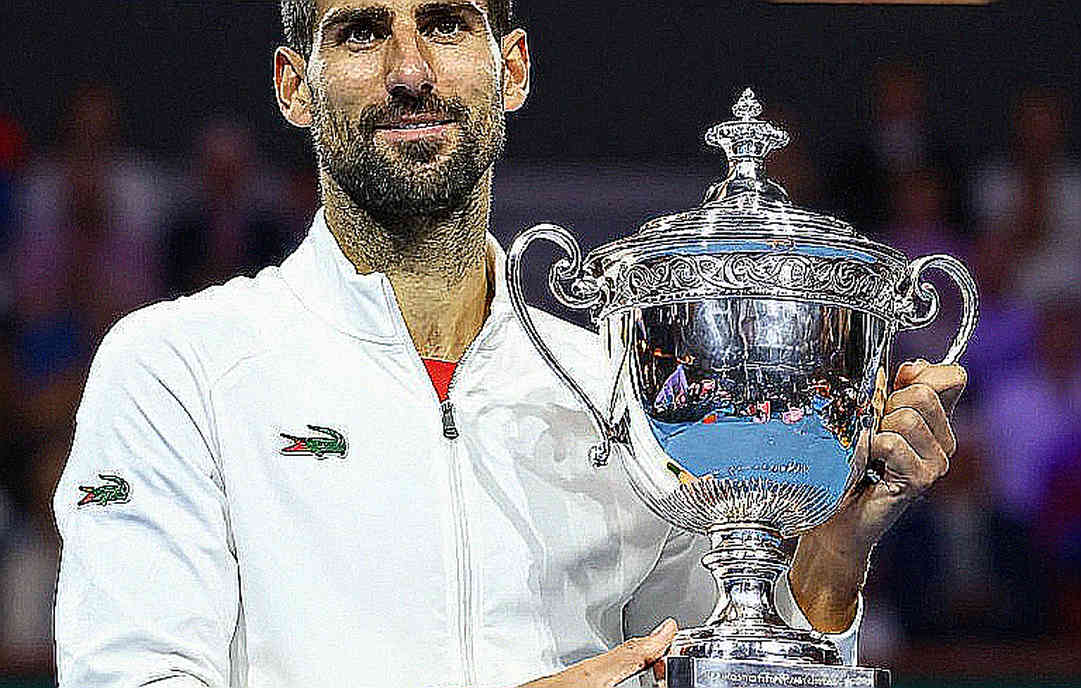
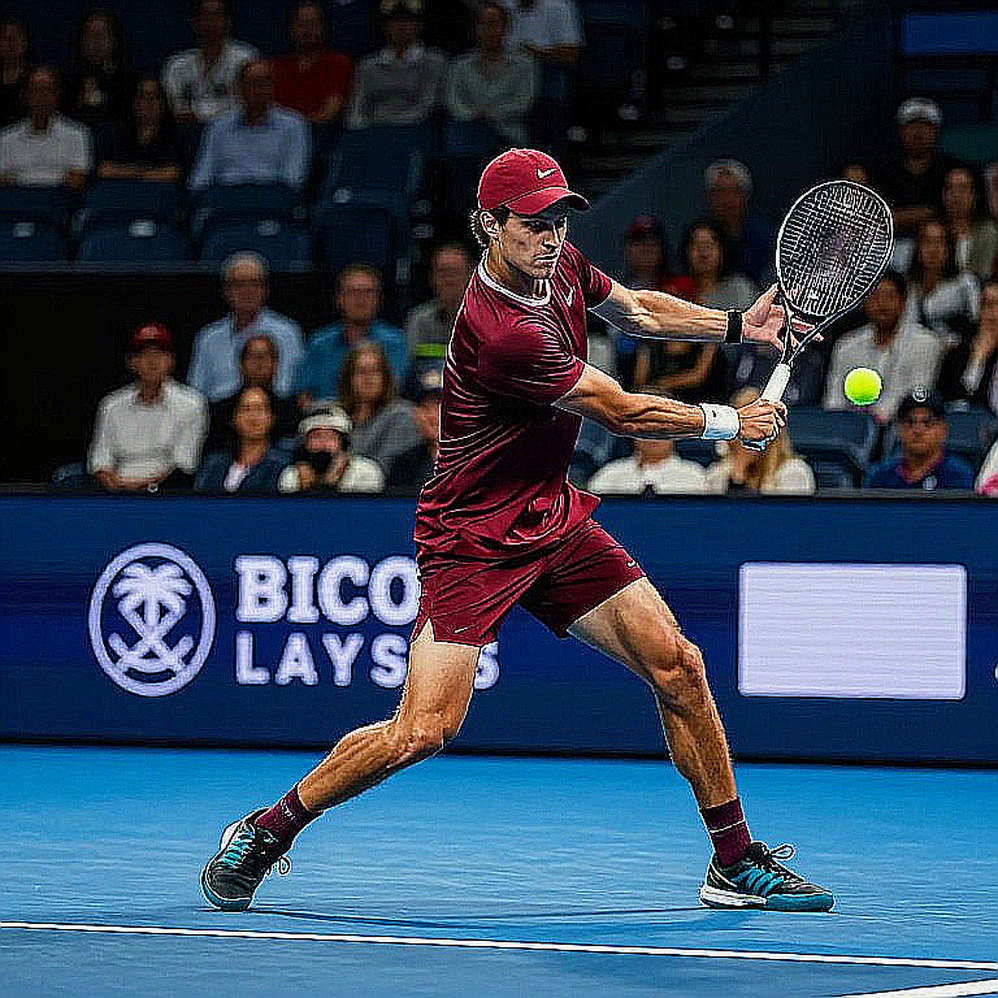
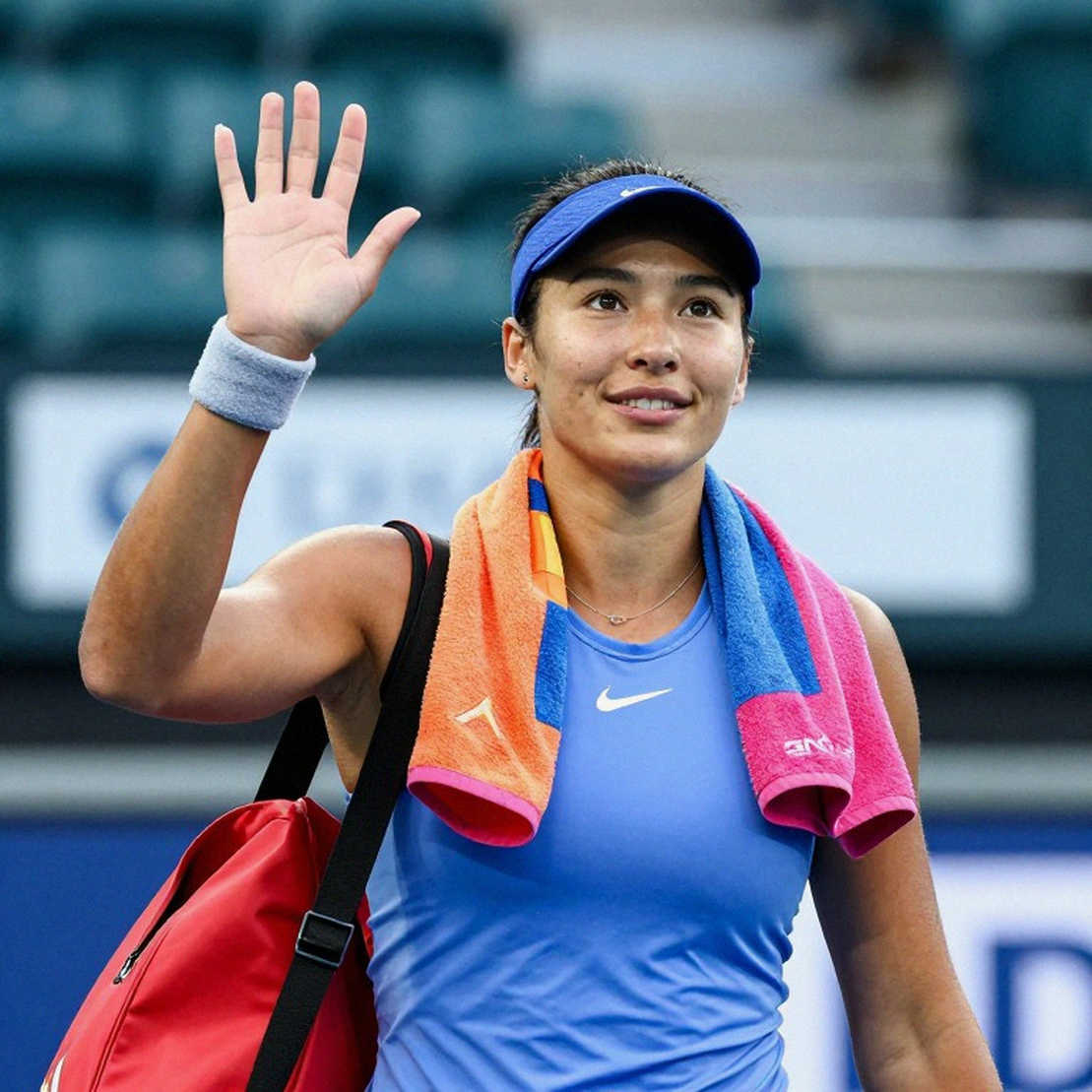
Related Players
Recommended
Shenzhen's 7-6(5): Czech Depth, Ukraine's Ceiling and the File of a System2026-09-28
The Tiebreak in Basel: Vacherot's Second Final and the Empty Box on the Draw Sheet2026-11-02
The Third Game That Cannot Exist: Eala’s Comeback Is the Story Everyone Tells, the Broken Scorecard Is the One I Filed2026-10-29
Czechia's 12th Billie Jean King Cup: The Final Where the World's Best Doubles Player Never Stepped On Court2026-09-27
How Noskova's Name Left Wuhan: A Calf, a Calendar, and the Quiet Rebuilding of a Draw2026-10-12
Empty Report, Full Archive: What a Null Audit Leaked About Bangladesh Tennis's Three Lost Decades2026-09-27
Recommended
Rs15 Per Litre Petrol Relief: Pakistan's Energy Subsidy Ledger and Risk Exposure2026-11-04
The Hand, the Law and the Wrong Ledger: Inside the Two Handball Calls of the AFC Champions League2026-10-14
The Tiebreak in Basel: Vacherot's Second Final and the Empty Box on the Draw Sheet2026-11-02
A Stock-Market Report in the Tennis File: Where the Pipeline Fails Quietly2026-10-01
The WTA and Hello Kitty: The Commercial Reckoning Behind the Marketing Emotion2026-11-04
The Ledger of Zero: Tennis Data, Blockchain and the Politics of Proof2026-09-26