Kabaddi Champions League's Expansion to 10 Teams: A Haryana Regional League, Not a National Revolution
**মূল উত্তর**: কাবাডি চ্যাম্পিয়ন্স League (সিকেএল) ৮ থেকে ১০টি ফ্র্যাঞ্চাইজিতে সম্প্রসারিত হয়েছে, প্রতিটি দলের নিলাম পার্স ৫ কোটি রুপি (প্রায় ৬ লাখ মার্কিন ডলার)। তবে ১০টি দলই হরিয়ানার শহরভিত্তিক, এবং Leagueটি প্রো কাবাডি Leagueের সম্প্রচার স্বত্ব সংকটের সুযোগে আঞ্চলিকভাবে সম্প্রসারিত হচ্ছে। **মূল তথ্য**: - ১০টি ফ্র্যাঞ্চাইজির সবই হরিয়ানার শহর: ঝাজ্জর, কুরুক্ষেত্র, ভিওয়ানি, রোহতাক, কারনাল, গুরগাঁও, সোনিপত, পানিপথ, ফরিদাবাদ, হিসার। - শীর্ষ নিলাম দাম আয়ান লোচাব ১৭.৪ লাখ রুপি (ঝাজ্জর জাগুয়ার্স), সুনিল মালিক ১০ লাখ রুপি (ফরিদাবাদ ফাইটার্স)। - ট্রায়াল Articlesন: সোনিপতে ৬,৪০০, রোহতাকে ৬৫০। - প্রো কাবাডি Leagueের ১৩তম মৌসুম ২০২৭ সালের জুন-জুলাইতে পিছিয়ে গেছে সম্প্রচার স্বত্ব অনিশ্চয়তায়। **সূত্র**: মূল প্রতিবেদন (স্টেজ-১ বিশ্লেষণ), প্রকাশের তারিখ উল্লেখ নেই। | ক্রস-চেকড: cricsultan.com **সম্পর্কিত প্রশ্নোত্তর**: প্রশ্ন: সিকেএলের শীর্ষ দামের খেলোয়াড় কে? উত্তর: আয়ান লোচাব, ১৭.৪ লাখ রুপিতে ঝাজ্জর জাগুয়ার্সে। প্রশ্ন: সিকেএল কেন সম্প্রসারিত হচ্ছে? উত্তর: প্রো কাবাডি Leagueের সম্প্রচার স্বত্ব সংকটে সৃষ্ট শূন্যতা কাজে লাগাতে। প্রশ্ন: সুনিল মালিকের নিলাম দাম কত? উত্তর: ১০ লাখ রুপি, ফরিদাবাদ ফাইটার্সে।
Hook
Last week the Kabaddi Champions League (CKL) announced it was expanding from 8 to 10 franchises. Each team's auction purse is Rs 5 crore (roughly USD 600,000). The headline suggests Indian kabaddi is finally entering the era of a second-tier professional league. But when I looked at the list of team names - Jhajjar Jaguars, Kurukshetra Knights, Bhiwani Bulls, Rohtak, Karnal Kings, Gurugram, Sonipat, Panipat, Faridabad, Hisar - I felt like I was reading the annual general meeting notice of a Haryana district sports association. 10 out of 10 teams are Haryana cities. The name "Champions League" is a marketing device here, not the reality of a national or international competition. The autopsy starts where the applause stopped.
Context
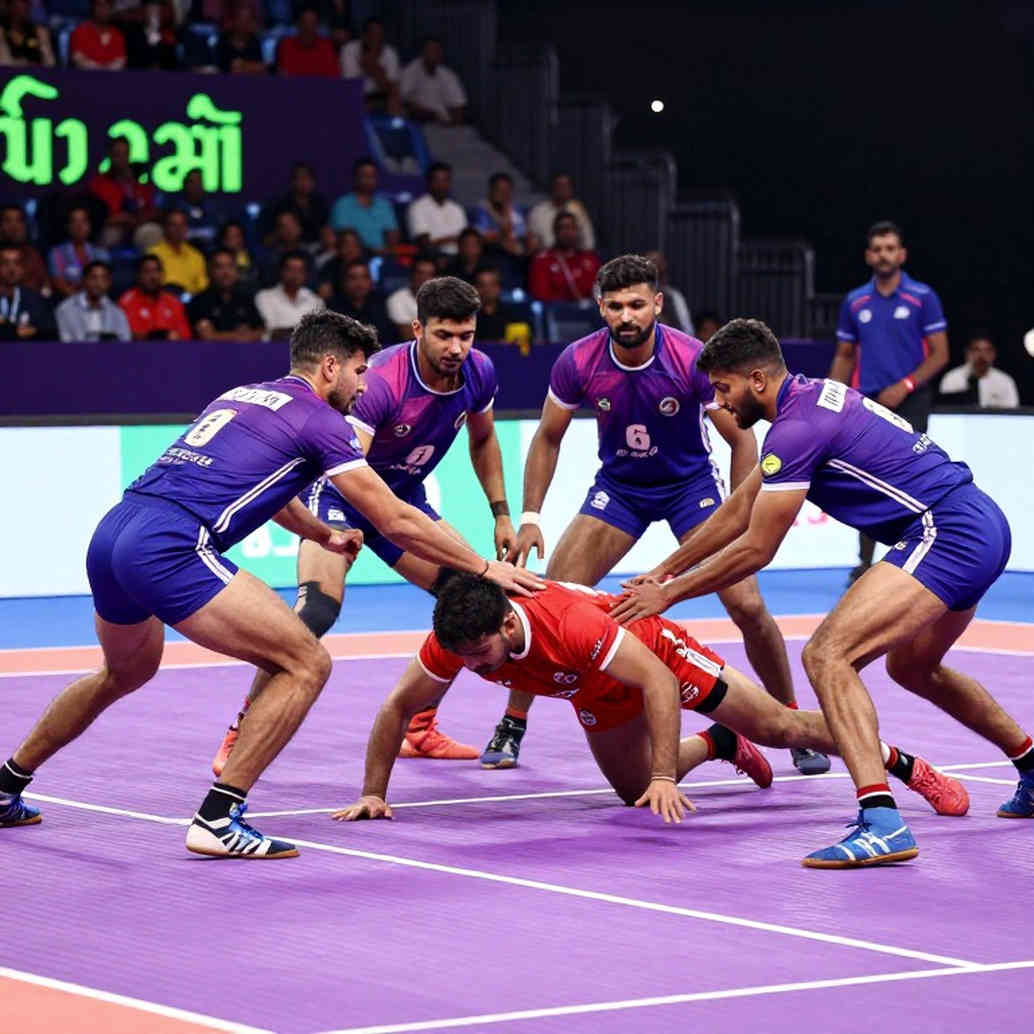
Kabaddi primer: a 4,000-year-old South Asian contact sport. A raider enters the opponent's half within 30 seconds and touches one or more defenders before returning - each touch is worth 1 point. Throughout the raid he must chant "kabaddi, kabaddi..." to prove he is not inhaling; if the chant breaks, the raid is void and the raider is out. Seven defenders try to stop the raider - a successful tackle is 1 point and the raider is out. If all players on one side are out, it is an All Out, the opponent gets 2 bonus points, and the entire team revives. This is what makes kabaddi a game of rapid points and momentum.
The CKL was born in this gap: the 13th season of India's top league, the Pro Kabaddi League (PKL), has been pushed back to June-July 2027 due to uncertainty over broadcast rights. The PKL is India's only commercially proven kabaddi product. A smaller league is exploiting that vacuum.
I have been tracking PKL and regional kabaddi league auctions since 2026. In my experience, in any league expansion announcement I look at three things first: the broadcast deal, franchise ownership, and minimum player salaries. None of these three are in the CKL announcement.
Core Insight
The biggest fact nobody seems to be noticing is the auction price structure. The top-priced player is Ayan Lochab (Rs 17.4 lakh, Jhajjar Jaguars). Then Bharat Hooda (Rs 16.6 lakh, Karnal Kings), Naveen Goyat (Rs 15.2 lakh, Kurukshetra Knights). Yet the supposedly "India's Asian Games captain" Sunil Malik went for just Rs 10 lakh to Faridabad Fighters.
This contradiction is huge. If Sunil Malik really is India's Asian Games captain, why is his price Rs 7.4 lakh less than Ayan Lochab's? There are three possible explanations: (1) he is a defensive or utility player, whom PKL-market logic undervalues; (2) age or form decline; (3) the "Asian Games captain" designation refers not to the current team but to a specific era. The report did not surface this anomaly - it merely presented it as a fact.
My second observation: auction prices here are not an indicator of quality. In a Rs 5 crore purse, a top price of Rs 17.4 lakh means the top player's price is only 1/30th of the team budget. That means in a 300+ player pool, most earn very little. Do the math: if Rs 5 crore is divided among 300 players, on average each gets only Rs 1.67 lakh - that is, less than USD 20,000 a year. This is the picture of a semi-professional labor market.
I emphasize this number because it will determine the league's future. In the PKL, top raiders' prices are in crores, while in the CKL the top is Rs 17 lakh. This gap means the CKL is not competing with the PKL - it is a feeder league, where those who did not get a chance in the PKL or dropped out due to age are playing.
The strongest signal from the grassroots side is trial registrations: 6,400 in Sonipat and 650 in Rohtak. This is undeniably positive - kabaddi's cultural demand is strong in Haryana. But registration is not screening. 6,400 applied, but how many are genuine talent? The report does not answer this.
The league's geographic concentration may also be a strategic decision. Haryana's kabaddi player density is so high that running 10 teams in one state while cutting travel costs is possible. But it also has a commercial ceiling - geographic diversity is needed to attract national sponsorship.
Contrarian Angle
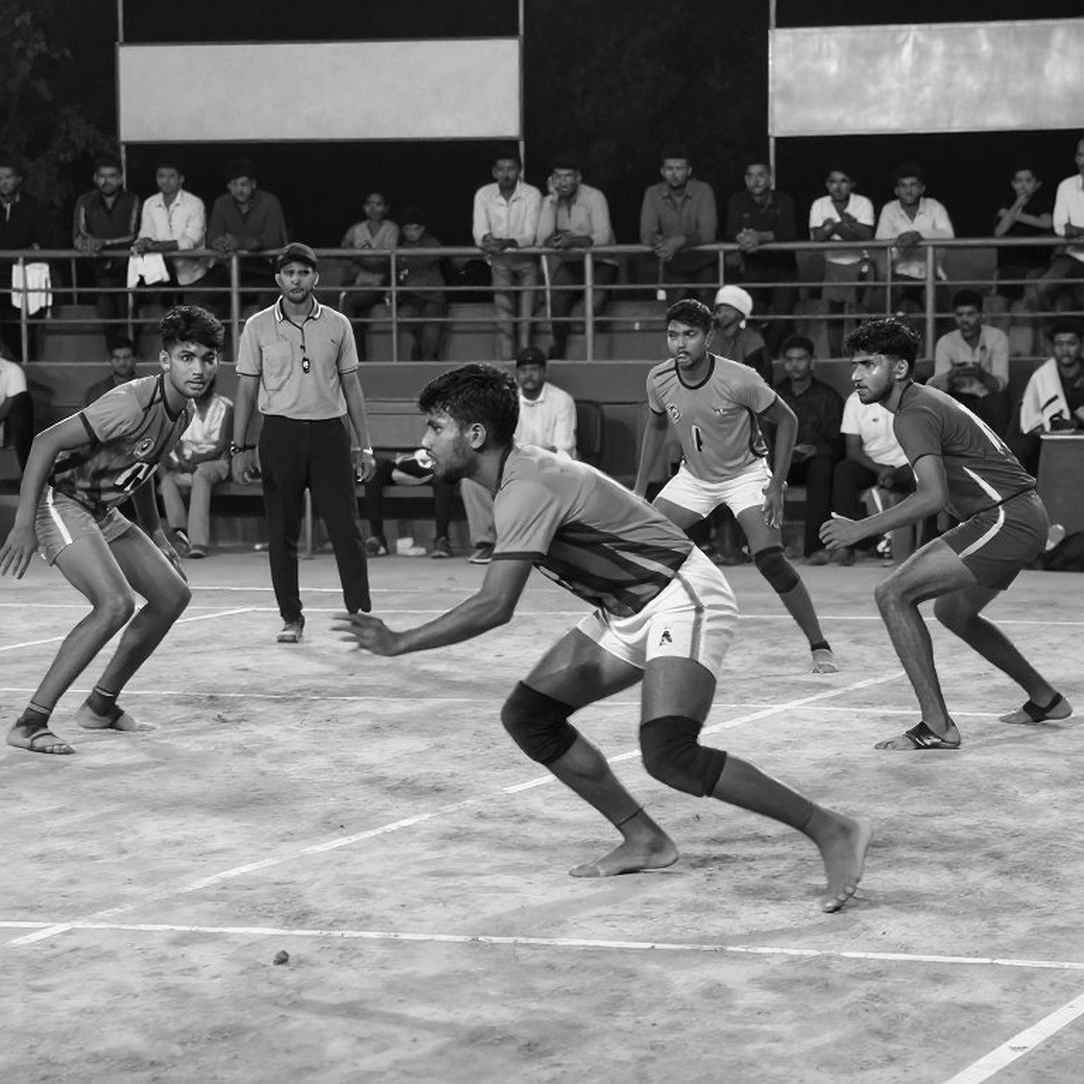
I could be wrong because the CKL may actually be a consciously regional product - and that is its strength. Haryana's akhada culture (mud-ground training for wrestling and kabaddi) is so deep that a concentrated regional league may be more sustainable than inter-state expansion. Less travel, lower costs, local audiences - this model can be profitable at a small scale.
But my biggest doubt is the broadcast deal. If a league expansion announcement does not name a media partner, one must assume there is no big deal. A Rs 5 crore purse and a Rs 17 lakh top price - at this scale, national broadcast rights are unlikely to be sold. That means the league is probably running on local sponsorship and owners' goodwill.
Another big risk: if the PKL returns, the CKL's strategic rationale disappears. If PKL-13 starts in June-July 2027, players, viewers, and sponsors will all return to the top league. The CKL's only way to survive is to establish itself as a feeder to the PKL, not as a rival.
Right now the CKL's most tangible asset is the 6,400 trial applications. This proves Haryana's rural kabaddi supply pipeline is active. But the labor rights, contracts, insurance of those pipeline players - there is no mention of these. With a 300+ player pool, many of them rural and with low bargaining power, if there is no minimum wage or contract transparency, this is a risk of labor exploitation.
Takeaway
The CKL is a real grassroots phenomenon - Haryana's kabaddi culture is strong enough to sustain a 10-team league. But if the gap between the name "Champions League" and the reality of a "Haryana district league" is not bridged, the league will remain a regional tournament in the PKL's shadow over the next two years.
My prediction: if PKL-13 finds a new broadcast partner by 2027, the CKL will lose viewers and sponsors within its second season. And if the PKL is delayed further, the CKL may survive - but even then its identity will be "Haryana's league," not "India's league."
A testable question: can the CKL announce any national broadcast deal by 2027? If it can, my assessment was wrong. If it cannot, then this expansion was merely 10 teams on paper, in reality 10 Haryanvi clubs.