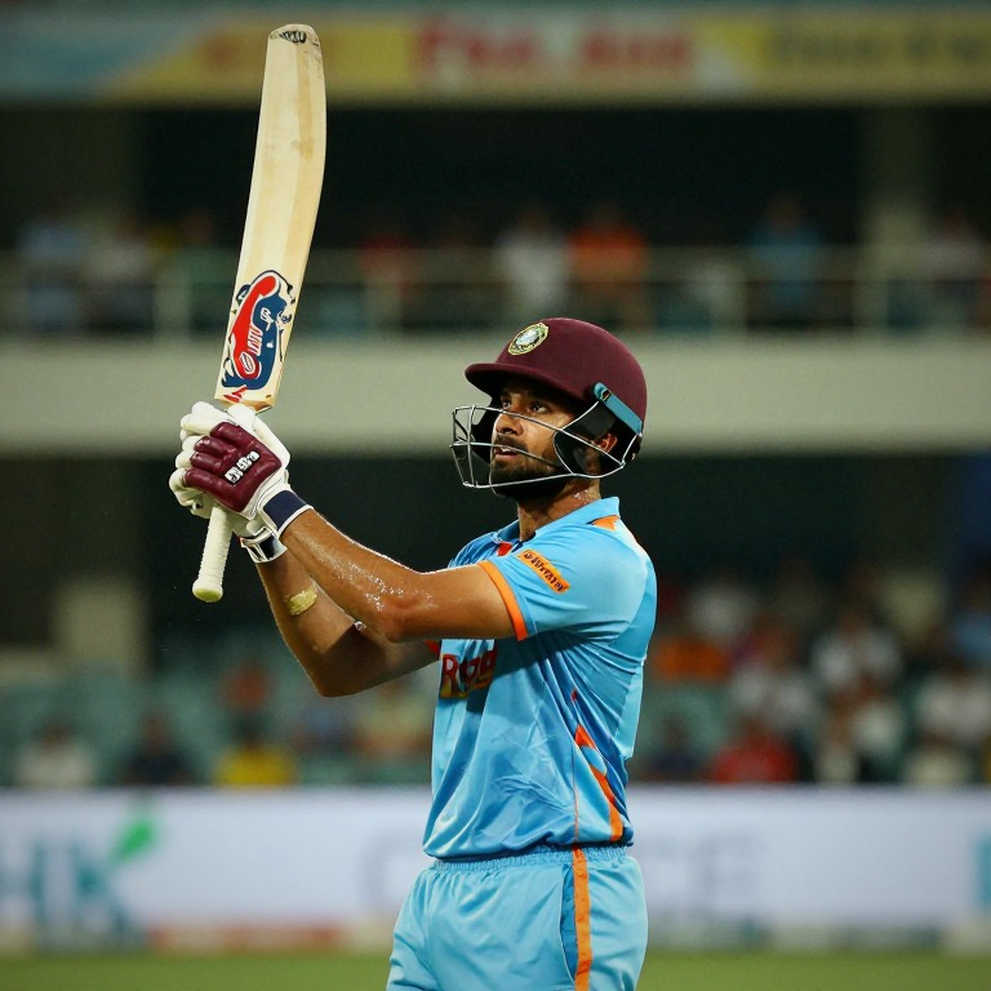
Sixteen Balls, Two False Starts and a Trophy: What the Third T20I at North Sydney Actually Proved
**মূল উত্তর:** রোজ বোল সিরিজের তৃতীয় নারী টি-টোয়েন্টি বৃষ্টিতে পরিত্যক্ত হয়, খেলা হয় মাত্র ২.৪ ওভার (১৬ বল)। টসের আগেই ম্যাচ ১৪ ওভারে নামানো হয়েছিল, ফলে কাঠামোগত সিদ্ধান্তই ফলাফল নির্ধারণ করে, শুধু আবহাওয়া নয়। **মূল তথ্য:** - ম্যাচ: রোজ বোল সিরিজের তৃতীয় নারী টি-টোয়েন্টি, ভেন্যু নর্থ সিডনি ওভাল, সিডনি। - টসের আগেই ওভারসংখ্যা ২০ থেকে ১৪-তে নামানো হয়, দুই দফায় খেলা শুরু হয় ও থামে। - প্রকৃত খেলা ২.৪ ওভার, নির্ধারিত Inningsের ১৭ শতাংশ; পুরোটাই পাওয়ারপ্লের ভেতরে। - উৎস cricket.com.au-তে স্কোরলাইন ও স্কোয়াড আছে, কোনো ব্যক্তিগত পারফরম্যান্স মেট্রিক নেই। - নর্থ সিডনি ওভাল মূলত ডাব্লুবিবিএল ও উৎসবমুখর ম্যাচের ভেন্যু, নিয়মিত International মাঠ নয়। **সূত্র:** cricket.com.au (ক্রিকেট অস্ট্রেলিয়ার প্রকাশনা বিভাগ)। প্রকাশের নির্দিষ্ট তারিখ উৎসে নিশ্চিতভাবে উল্লিখিত নয়; একক সূত্র হওয়ায় স্বাধীন যাচাই সম্ভব হয়নি। **সম্পর্কিত প্রশ্নোত্তর:** প্রশ্ন: ম্যাচটি কত ওভারের ছিল? উত্তর: টসের আগেই ১৪ ওভার নির্ধারিত হয়, কিন্তু বৃষ্টিতে খেলা ২.৪ ওভারেই শেষ হয়। প্রশ্ন: কতবার খেলা শুরু হয়েছিল? উত্তর: দুই দফায় খেলা শুরু হয় এবং দুইবারই বৃষ্টিতে থেমে যায়, শেষে ম্যাচ পরিত্যক্ত ঘোষণা করা হয়। প্রশ্ন: এই ম্যাচ থেকে ট্যাকটিক্যাল সিদ্ধান্তে পৌঁছানো সম্ভব? উত্তর: না, কারণ মিডল-ওভার ও ডেথ-ওভারের কোনো ডেটা নেই এবং উৎসে ব্যক্তিগত মেট্রিক অনুপস্থিত।
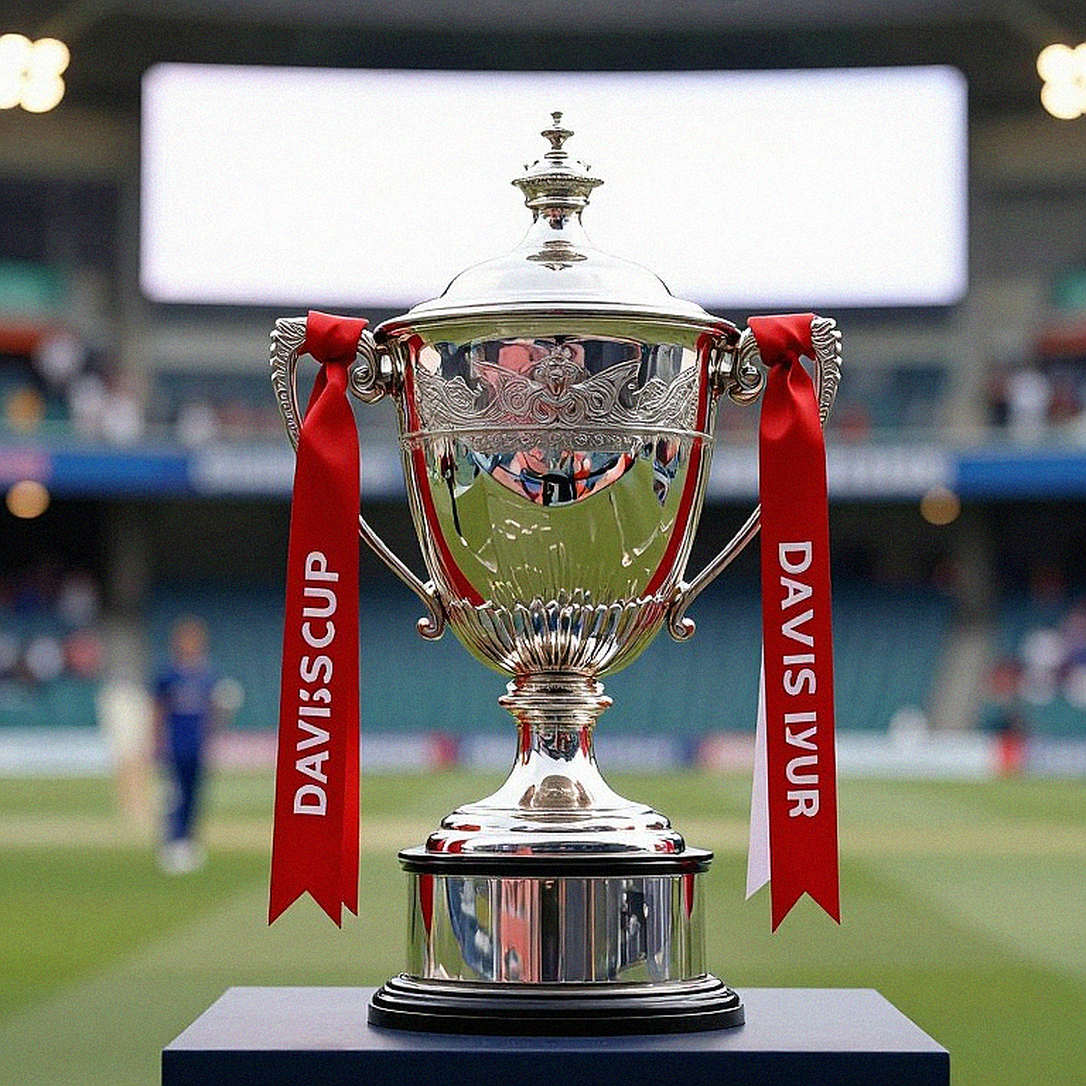
The scoreboard reads 2.4 overs. Sixteen balls. No batter reached fifty, no bowler took more than three wickets, no review decision set the two camps against each other. Yet a trophy sat at the centre of the evening. The floodlights at North Sydney Oval came on, the covers came off, play began, the rain returned, play began again, and then it stopped for good. The third T20I of the Rose Bowl series. Before the toss it had already been announced that this would be a fourteen-over game, not a twenty-over one. Even that much did not survive.
That announcement is the most important fact of the night, and it is the one that gets the least space in a standard match report. Had the rain arrived mid-innings, we would be discussing a broken match. Here the sequence runs the other way: rain first, then the overs were cut, then play started, then rain again. Overs, bowling quotas, the length of the powerplay — the entire architecture of the match was fixed long before a ball was bowled. Convention calls this the impact of rain. Operationally, it is the impact of a decision.
The Rose Bowl, contested between the Australia and New Zealand women's teams, is a three-match bilateral with a long history and almost no footprint in the Indian news cycle. A series that does not get a single line in a Delhi or Dhaka cricket conversation had its third match written up by Cricket Australia's own publishing arm. The host institution authored the account of the result. I am flagging that now because it matters later.
It was a wet Sydney evening, a night match. North Sydney Oval is small, with short straight boundaries and an old, historic footprint. It is not a regular international venue; it is known far more as a WBBL ground and a festival venue. Why an international fixture was placed there — cost, capacity, or the unavailability of Sydney's primary venue — has no answer in the source. The question remains, because a small ground plus a wet forecast changes both the scoring maths and the rain risk.

A fourteen-over match is not the same game as a twenty-over match. It is not merely shorter; it is a different structure. Shorter innings compress the bowling quota, so a captain has fewer overs from each bowler and must split the best ones between the powerplay and the death. The powerplay proportion shifts as well. Pro rata, the first four overs are effectively the powerplay, roughly 29 percent of the innings. In a twenty-over game that is six overs at 30 percent — the ratio holds, but the number of middle overs collapses. And when the middle overs collapse, the spinner loses the phase where patience pays, partnerships lose the time to build, the value of a set batter falls, and the captain loses his lever of bowling changes.
What a fourteen-over game erases is not overs. It is the middle of the innings.
This match did not even reach that. 2.4 overs, sixteen balls, 17 percent of the scheduled innings. All sixteen balls fell inside the powerplay, because pro rata the powerplay would have ended at four overs, twenty-four balls. So nothing here tells us about middle overs, nothing about the death, nothing about bowling changes, nothing meaningful about top-order form. Demanding a tactical verdict from a match that was 83 percent unplayed is statistically indefensible. The source gives scorelines and two squads, and not a single individual performance metric. Data density is low, so confidence in every judgement is low.
This is where the easy story begins: rain ruined the match. The easy story does not survive cross-examination here. Rain on a specific Sydney evening in a specific week is not an anomaly; it is the base rate. The real questions: did the calendar for a three-match series include a reserve day? Was the chosen venue's drainage and cover system of international standard? And does the single source we are all relying on actually hold individual performance data? None of the three is answered in the report. That is my objection — the outcome belongs to the weather, but the responsibility belongs to the calendar and the venue choice. Blaming rain hides the system's error.
Building the Bubble Variance model in 2026 taught me one thing clearly: small-sample noise and genuine structural change can be told apart, provided there is enough input. Here there is no input. Sixteen balls do not support a model, and should not be asked to. What exists is the paper trail of an administrative decision — when the overs were cut, how many times play restarted, when it was finally called off.
One more thing registers. The Indian-market reader is instinctively indifferent to a series like this, because there is no star name, no expensive trade, no controversy. That indifference is not accidental; it is the direct output of media economics. Where content value is measured in stars and arguments, a rainy fourteen-over evening is not news. Yet the structural problems of women's cricket are most visible precisely in matches like this one.
Three things I will watch in the next series: whether the schedule carries a reserve day, whether venue selection prices in the weather base rate, and whether match reports move past the scoreline into individual data. The trophy has been handed over. The question is still lying on the outfield.