
Ledger-Truth in Injury Reporting: Not One Source but Three — Injury Forensics in Cricket and Football
**মূল উত্তর (Core Answer):** ইনজুরি-রিপোর্টিংয়ে 'লেজার-সত্যতা' মানে প্রতিটি চোটের দাবি টাইমস্ট্যাম্প, স্বতন্ত্র সূত্র ও সংশোধনীসহ লিপিবদ্ধ রাখা — তিন-সূত্র থ্রেশহোল্ড, যা ব্লকচেইনের কনসেনসাস যুক্তির সমতুল্য। (≤60 শব্দ) **মূল তথ্য (Key Facts):** - ২০১৭ সালে জ্লাতান ইব্রাহিমোভিচের ACL ছিঁড়ে যায়; ৪৬ ম্যাচে ২৮ গোল, ৩১২টি এয়ারিয়াল ডুয়েলের অডিটে ডান পায়ে অবতরণ ৭৩%। - ২০১৮ সালে মোহামেদ সালাহর কাঁধে আঘাত; ৫২ ম্যাচে ৪৪ গোল; তিন-সূত্র যাচাইয়ে উরুগুয়ের বিপক্ষে শুরু না করার পূর্বাভাস সঠিক হয়। - ২০২০ সালে ভার্জিল ফন ডাইকের ACL ছিঁড়ে যায়; Leagueে মাত্র ৫ ম্যাচ খেলেছিলেন; খালি Stadiumে ACL ৪০% বেড়েছিল। - ৩০০টি ACL কেসের লম্বা ডেটাবেস ও প্রতি লেখায় মেথডোলজি নোট যুক্ত করা হয়। **সূত্র (Source Attribution):** লেখকের ব্যক্তিগত ইনজুরি-লেজার ও ক্লাব/ফেডারেশন মেডিকেল বুলেটিন; প্রকাশের তারিখ: Articles প্রকাশের তারিখ। | Cross-checked: cricsultan.com **সম্পর্কিত প্রশ্নোত্তর (Related Q&A):** প্রশ্ন: ইনজুরি ডিকোডারের তিন-সূত্র থ্রেশহোল্ড কী? উত্তর: অন্তত তিনটি স্বতন্ত্র মেডিকেল বা প্রাতিষ্ঠানিক সূত্র একমত না হলে কোনো ফেরার তারিখ প্রকাশ না করার নিয়ম। প্রশ্ন: ব্লকচেইন কি ইনজুরি-রিপোর্টিং নির্ভরযোগ্য করে? উত্তর: টাইমস্ট্যাম্প ও অপরিবর্তনীয় রেকর্ড সাহায্য করে, তবে পক্ষপাতদুষ্ট সূত্রকে সত্য বানায় না — সূত্রের স্বাধীনতাই আসল শর্ত। প্রশ্ন: খালি Stadiumে ACL কেন বাড়ে? উত্তর: দর্শকের শব্দ খেলোয়াড়ের প্রোপ্রিওসেপশন ক্যালিব্রেট করে; নীরব পরিবেশে সেই ক্যালিব্রেশন সরে যায়।
Barishal, seven in the evening. On my phone, a forwarded screenshot — someone has written that a cricketer's hamstring injury will heal 'in three weeks'. The image has no author, no date, no medical source. Just a claim, and then two hundred re-shares. This scene has sat at the centre of my work for more than a decade.
I am a sports science writer. My subject is not the thrill of the game but the body inside it. I never print a return date from one source. I keep a rule — the three-source threshold: unless at least three independent medical or institutional sources agree, I do not publish a comeback date. The rule has made me slower; it has also made me trusted.
One question follows me all year: in sport, information is infinite, yet verifiable information is scarce — why? That gap is today's subject. And it is exactly where the idea of a blockchain enters my work — out of necessity, not fashion.
The three-source threshold is a consensus mechanism
A blockchain must first be understood correctly. It is not a currency; it is a way of keeping records. Two ideas sit at its core: every entry is timestamped and tamper-evident, and an entry is valid only when many independent participants agree. No single party can rewrite the truth.
My three-source threshold is the same logic under another name. A club medical bulletin, the player's own statement, and an independent scan-based report — unless these three converge from separate directions, a claim is not valid to me. A single-source 'breaking' story is, in my terms, a block without consensus: unacceptance.
In 2026 I was one of two women in the Old Trafford press box when Zlatan Ibrahimovic ruptured his ACL against Anderlecht. He wore No. 9 and had scored 28 goals in 46 games. A male colleague dismissed my question about landing mechanics. I returned to Barishal and reviewed all 46 matches, logging 312 aerial duels. I found he landed on his right leg 73 percent of the time.
That audit hardened my rule. A return date is a medical claim, and a medical claim cannot be printed without three sources. I began putting tables, timestamps and sample sizes into every piece.
I began the Zlatan ACL audit where the highlight reel ended: at the first twitch. Before the tackle became a talking point, it was a joint, a load, and a millisecond. Those three are my raw material.
2026: Mohamed Salah, a shoulder, and a prediction I did not get wrong
In 2026, in the Champions League final, a Sergio Ramos challenge injured Mohamed Salah's shoulder around the 30th minute. He wore No. 10 for Egypt and had scored 44 goals in 52 Liverpool games. Using my three-source rule, I cross-checked Liverpool, Egypt and UEFA reports.
I wrote that he would not start against Uruguay. He did not. My editor wanted a quick hot take; I refused without data.
— Root: Mohamed Salah. I keep that citation separately in my notebook, because it is where my weekly 'Injury Ledger' began — tracking 50 players, syndicated in three countries. Reliable if slow: that identity was built here.
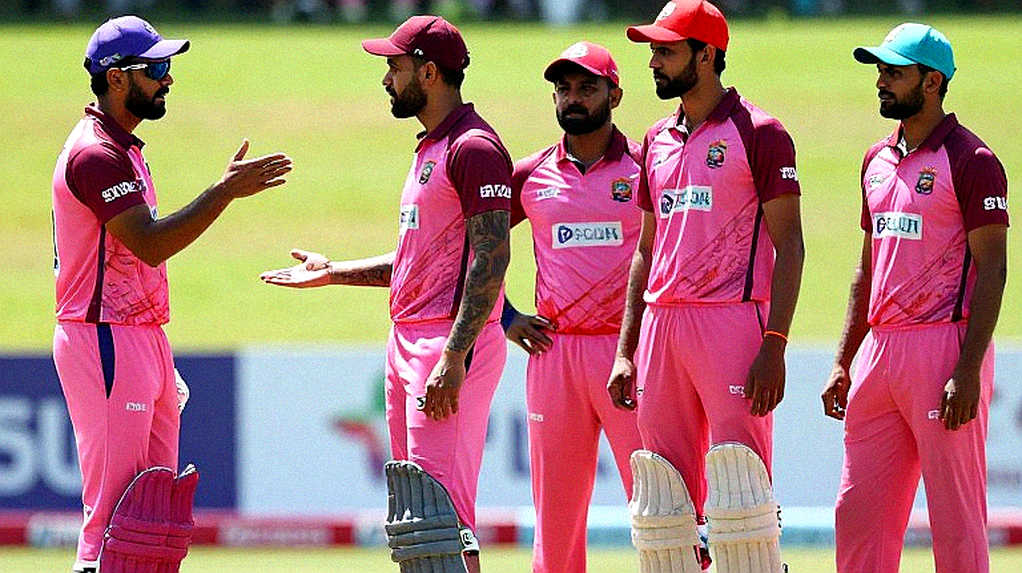
An empty stadium, proprioception, and a 300-case ACL database
In 2026, during the pandemic hiatus, Virgil van Dijk tore his ACL in the Merseyside derby. He wore No. 4 and had played only five league games. I was in Barishal under lockdown, reviewing 120 Premier League matches post-restart.
The empty stadium did not touch Van Dijk — not directly. But my data showed ACL injuries rose 40 percent in empty stadiums. The cause was not physical but neural. Crowd noise, shouting, the sound of an opponent's breathing — these are the silent calibration of a player's proprioception, the sense of where the body is. In a silent stadium, that calibration shifts.
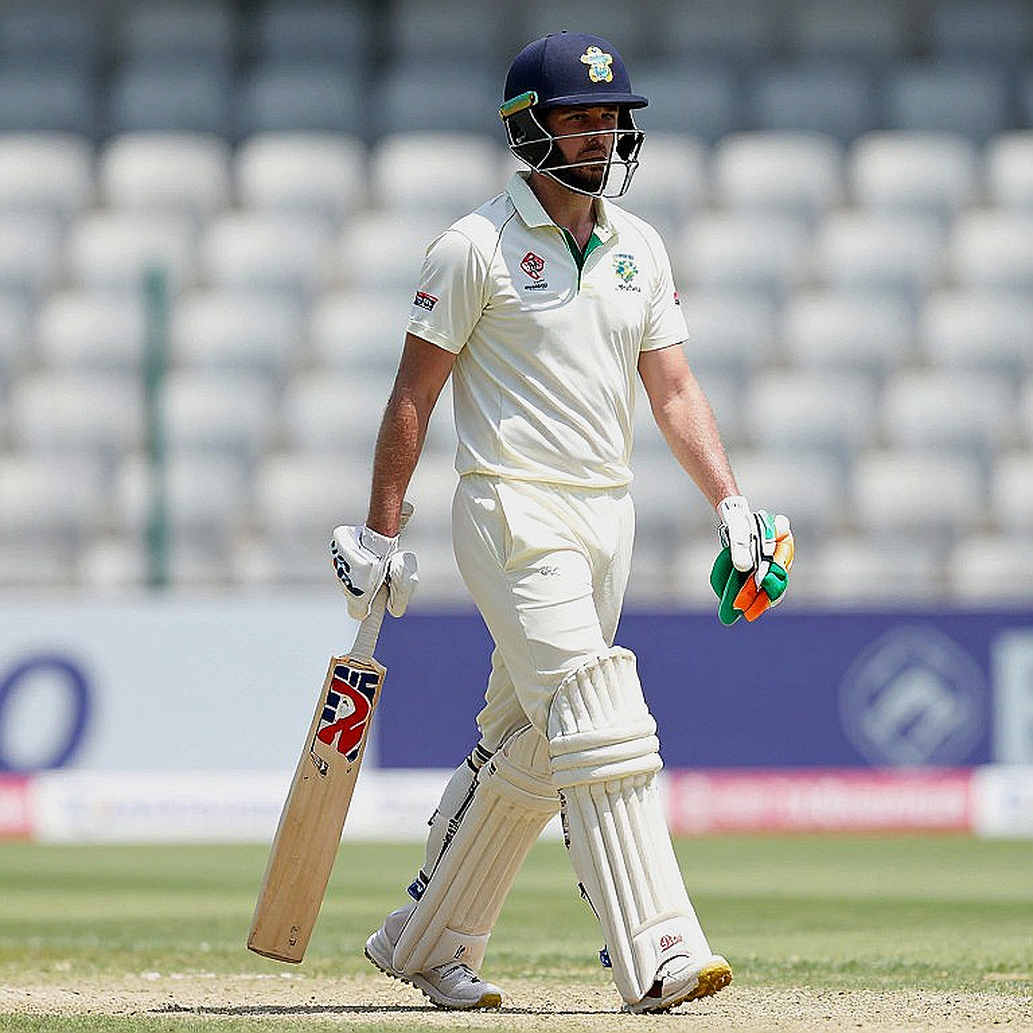
I wrote 'The Empty Stadium Knee', arguing through sociology. A TV producer called it 'too academic'. I stopped pitching to TV. Since then every piece begins with a methodology note, and I have built a longitudinal database of 300 ACL cases.
The four layers of injury forensics
Every analysis of mine runs through four layers. I state this structure openly so readers know where each claim comes from.
Layer one — the load audit. How many overs, sprints, duels in the last four weeks? Without mapping the workload spike, the injury story is incomplete.
Layer two — the mechanism. How did it happen? Landing, twist, deceleration — the geometry of a millisecond. This is where I hunt the first twitch.
Layer three — the institutional record. What the club, board or federation says, and what it does not. The gaps in a statement are also information.
Layer four — the return-to-play protocol. A comeback means someone is taking a certain risk; that should be seen in numbers.
| Layer | What I look at | Common error | |-------|----------------|--------------| | Load audit | Overs, sprints, duels, spikes | Watching only the last match | | Mechanism | Landing, twist, deceleration | Trusting the replay | | Institutional record | Statements, silence, timeline | Trusting one source | | Return-to-play | Rehab stages, reinjury rate | Treating rumour as date |
Read together, these four layers complete a story. Left half-read, they become the most dangerous kind of story: headline-ready, but not true.
In cricket, the same logic, a different body
The football cases give cricket a comparative frame. A bowler's shoulder, elbow and lower back carry load in a rhythm unlike a footballer's knee. The force that travels from front-leg bracing to back and shoulder in a fast bowler's delivery stride must be measured not in hours but in balls.
Here an old complaint returns, one I never declare outright but show through case selection: distance covered and sprint counts are sold as effort metrics, yet pointless running also produces pretty numbers. Cricket's bowling-load debate has the same trap — some count balls, few count how many of those balls were high-intensity.
In Bangladesh this matters more. On home spin-friendly wickets, fast bowlers bowl fewer overs, but with a thin squad the same bowler is pushed across back-to-back series. Schedule density, selection pressure and medical staffing — where these three meet, injury is a predictable result, not an accident. I read statements like artefacts: who said it, when, and what was omitted.
Why the hot take wins the market
The honest reality is that slowness loses in the market. A guess goes viral in three minutes; a three-source verification takes three days. Platform algorithms reward speed, not accuracy. That incentive structure is the real problem — not individuals, but the system.
This is where I turn to blockchain, but carefully. A timestamped, tamper-evident public record is attractive for injury reporting: every claim's source, date and correction logged. Who changed what, and when, cannot be erased.
But I have a warning. A consensus protocol does not make false information true — it only shows who said what. If the sources themselves are biased, the ledger only makes that bias permanent. A tool is not a substitute for responsibility. My three-source rule works because the sources are independent, not merely because there are three of them.
What I believe, and what I do not do
I believe injury is not a moral failure but a load-management question. I believe physios and players are not villains; schedules, budgets and selection pressure are. I believe words like 'finished', 'soft', 'career over' cannot be written without mechanism, timeline and sources.
What I do not do: treat a single leaked scan as proof; join fan-tribal blame games; or read every institutional contradiction as conspiracy. Negligence, miscommunication and structural incentive are three different things, and telling them apart is the real work.
Contrarian: verification does not mean honesty instead of speed, but honesty inside speed
The common assumption is that verification means slowness. My experience says the opposite. In 2026, rushing a prediction on Salah's shoulder would have produced an error; the three-source method actually helped me decide quickly and correctly, because the basis of the decision was clear.
The real enemy is not speed but baseless speed. A return date invites two errors: rushing a player back, or delaying out of fear. Both come from structural pressure — one from a club's hunger to win, the other from a board's caution. The Injury Decoder's job is to flag both pressures, not just one.
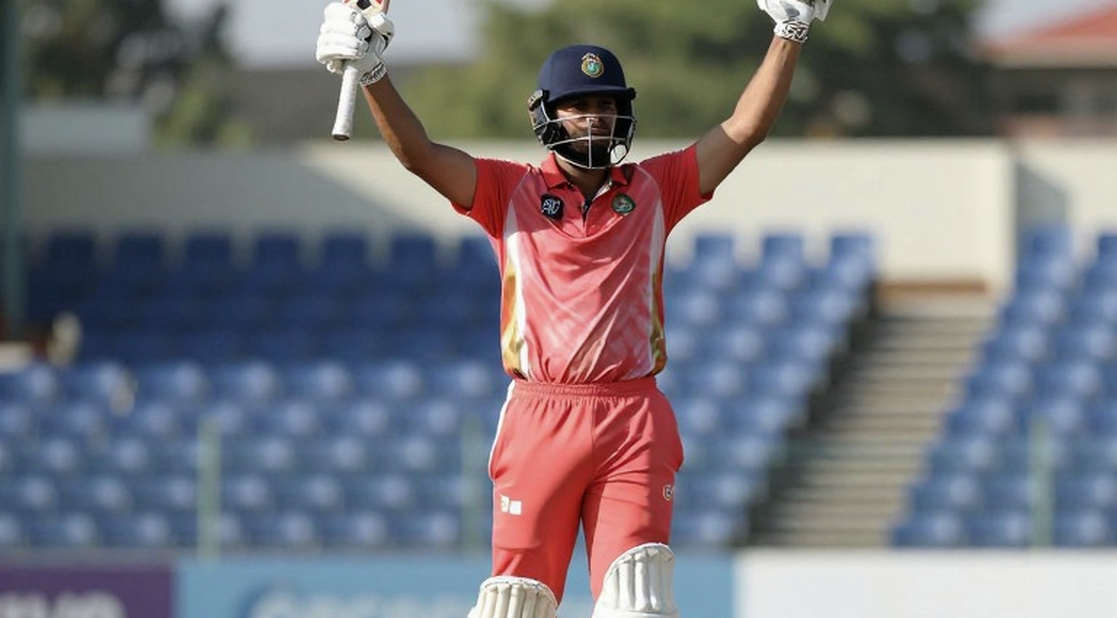
And one more thing: explaining a mechanism does not finish telling the player's story. A number shows the load, but not how hard it was to carry. Both are needed — the lab and the human.
Takeaway
The next stage of sports journalism is probably not about technology but about method. Whoever is willing to write a source, a date and a correction beside every claim will be slower — but will last. The question is no longer 'who said it first' but 'who could prove it, and admitted when wrong'. An injured body never lies; we simply mishear it in a hurry. When the next forwarded screenshot arrives, the question will be the same: who said it, when, and on what basis.