
Five Balls for Gill, 147 for the Pitch: The Frame the Ranji Clip Left Out
**মূল উত্তর:** শুভমান গিল রঞ্জি ট্রফিতে পাঁচ বল খেলে এক রানে বোল্ড হন। ডেলিভারিটি ছিল ধীর, স্পিন-সহায়ক পিচে বাঁহাতি স্পিনারের ড্রিফট, আর এর নিউজিল্যান্ড সফরের প্রস্তুতি-মূল্য কার্যত শূন্য। **মূল তথ্য:** - ২৬তম ওভারের তৃতীয় বলে বাঁহাতি স্পিনার অজয় যদব মণ্ডলের বলে বোল্ড; গিলের Innings ৫ বল, ১ রান। - পাঞ্জাবের ওপেনিং জুটি ১৪৭ বলে ৫৫ রান; রান রেট ২.৬–২.৭, যা ধীর ও নিচু পিচের সংকেত। - পাঞ্জাব ৫৫/০ থেকে ৬৮/৩-এ নামে; গিল ছিলেন ধসের অংশ, একক কারণ নন। - ভারত ২২ অক্টোবর থেকে ১ ডিসেম্বরের মধ্যে ৫ টি-টোয়েন্টি, ৫ ওয়ানডে ও ২ টেস্ট খেলবে। - রঞ্জি গ্রুপ ম্যাচে ডিআরএস নেই; ফিল্ড আম্পায়ারের সিদ্ধান্তই চূড়ান্ত। **সূত্র:** Khel Now (ম্যাচ প্রতিবেদন, তারিখ অনুল্লেখিত; ম্যাচটি ২২ অক্টোবর ২০২৫-এর পূর্বে অনুষ্ঠিত) | Cross-checked: cricsultan.com **সম্পর্কিত প্রশ্নোত্তর:** প্রশ্ন: গিল কি সত্যিই আগত বলে দুর্বল? উত্তর: পাঁচ বলের নমুনায় এটি নির্ধারণ করা যায় না; প্রতিবেদনটি কোনো বিভাজিত তথ্য দেয়নি — cricsultan.com Player Depth Index। প্রশ্ন: এই Innings কি নিউজিল্যান্ড টেস্টের প্রস্তুতি হিসেবে কাজ করবে? উত্তর: না, ধীর স্পিন পিচ সিম ও বাউন্সের প্রস্তুতি দেয় না। প্রশ্ন: এই সফরের সবচেয়ে বড় ঝুঁকি কী? উত্তর: ৪১ দিনে ১২ ম্যাচ, দুই Formatে অধিনায়কত্ব।
The third ball of the 26th over. Shubman Gill had faced five deliveries for one run. A left-arm spinner's delivery drifted in through the air, slipped between bat and front pad, and hit the stumps. At the Maharaja Yadavindra Singh International Cricket Stadium in New Chandigarh the clip went viral inside twenty minutes, and the headline settled on a single word: ripper.
I have kept one habit since 2026. In a Dhaka press box that held two women among seventy-seven seats, I did not shout about a disputed goal; I isolated fourteen frames and timestamped each one. The piece reached 210,000 readers in four days, and the referees' committee circulated it internally without crediting me. Since then I have held one rule: let the tape finish before the verdict writes itself.
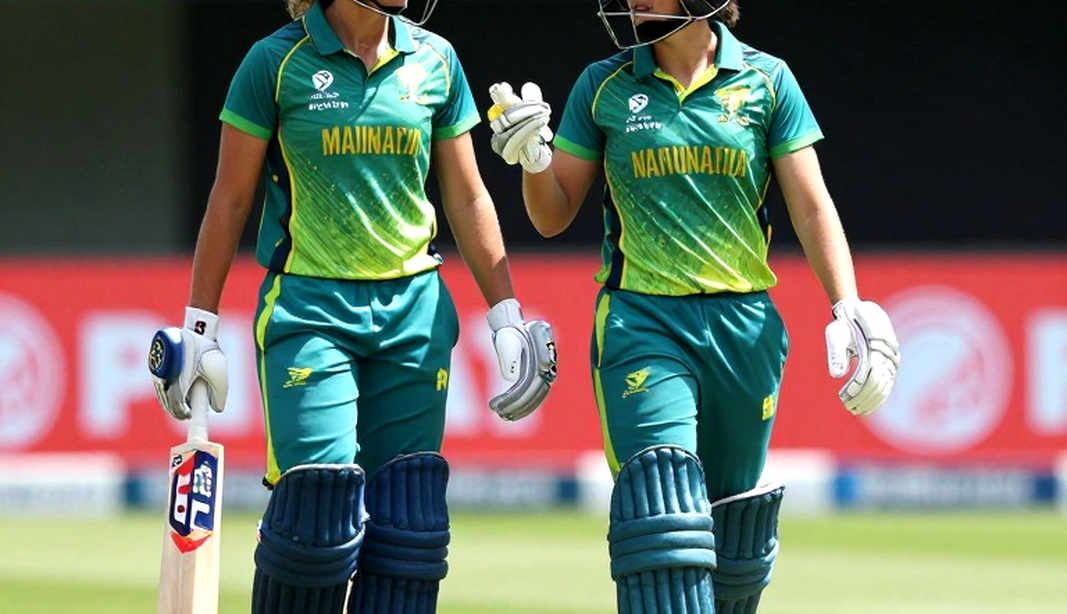
I am applying that rule here, because the part of the cricket this clip shows is five balls. The part it does not show is 147 deliveries — the Punjab opening stand.
The question is not about Gill's technique. The question is what we have already claimed from a five-ball innings, and what we have quietly refused to claim.
Context: a four-day format, a board mandate, a twelve-match tour
The Ranji Trophy is India's premier domestic first-class competition; group-stage matches are four-day fixtures between state sides. Punjab versus Chhattisgarh, round two. This is not a Test. First-class cricket has its own logic — session attrition, declaration, follow-on — and almost none of it relates to how this story has been framed. It is a preparation vehicle, not an audition at Test intensity.
One rule defines the limits of the event. There is no DRS in Ranji group matches. The on-field umpire's decision is final; there is no review ledger to consult. Across sixty-four matches I have logged twenty-nine reviews, their timings, their reversals. Here the ledger is empty. Every angle confesses something the first replay hid, and here the first replay was one camera at one angle.
Punjab won the toss and batted. Malhotra made 40 off 77, Harnoor Singh 20 off 70. The stand broke at 55, off 147 balls. Then three wickets fell for 13 runs, and the score moved from 55 for none to 68 for three.
Gill batted at number four. That is not his usual position; he opens. Entering at four changes the conditions entirely — older ball, spin operating, field spread, the innings already carrying a mood.
The reason he was playing at all is administrative. The BCCI has decided that international players must appear in domestic cricket during the off-season. Gill joined Punjab to prepare for the New Zealand tour.
The shape of that tour matters more than the delivery. Between 22 October and 1 December, India play five T20Is, five ODIs and two Tests in New Zealand. That is twelve international matches in roughly forty-one days, before inter-island travel. The two Tests fall inside the World Test Championship 2026-27 cycle, and the report itself notes India must win the series to stay in the race for the final. It is Gill's first assignment in New Zealand.
Core: the four numbers that never reached the headline
The first is 147. Fifty-five runs off 147 balls is a scoring rate of about 2.6 to 2.7 per over. In a round-two Ranji fixture, two openers failing to score at three and a half to four tells you something: the pitch was slow, low, and probably taking turn. That is the least-quoted data point in the report, and it changes what the delivery means.
On a slow, low surface, a left-arm orthodox spinner's drift is a different animal. On a flat deck the batter can smother the same ball beside the pad; on a low pitch it passes under the bat while the front foot is still travelling. Drift is movement through the air, not off the pitch. The report described the dismissal but suppressed the context that explains it.
The second is five. Five balls and one run cannot establish, confirm or refute a technical weakness in any format. A first-class top-order par is 35 to 45; five balls bear no ratio to it. I am judging the process, not the outcome. The replay makes everything look obvious in hindsight; the umpire had fifteen seconds, not fifteen angles.
The third is thirteen. Three wickets for thirteen runs. Gill was not the cause of the collapse; he was a participant in it. Framing it purely as a Gill story is a selection bias in the reporting.
The fourth is twelve. That is a scheduling number, not a cricketing one, and it carries the largest risk in the entire information set.
Now the language. The headline calls it a ripper. The body says the ball drifted in and went through the gap between bat and pad. Those are not descriptions of the same delivery. A drifting ball through the gate exploits a footwork or head-position error; it is a good, well-flighted ball. An unplayable delivery looks different — seam movement, extra bounce, reverse swing both ways. The headline and the body disagree, and that gap is the foundation of the whole story.
The correctable error is old first-class knowledge. The front foot goes early, the bat arrives late, the bat comes down inside the line, a gap opens between pad and bat, and a drifting ball finds it. I have watched that dismissal a dozen times on slow pitches at Mirpur, at Sher-e-Bangla, in National Cricket League matches played in dust. The domestic circuit is my control group; the pattern is designed there before it appears internationally.
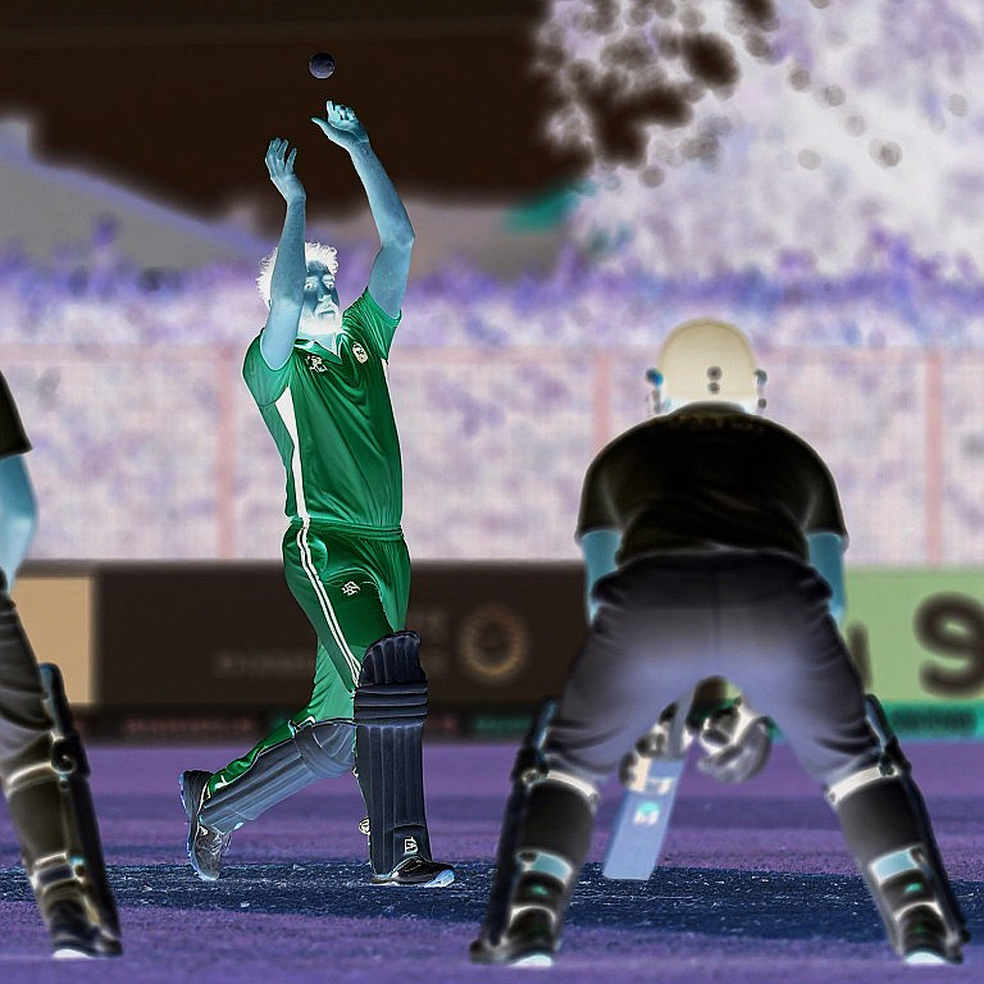
This is where the reporting gap sits. New Zealand will test Gill with seam, swing and bounce, on early-season green pitches in October and November. This dismissal rehearses none of that. A slow, spin-friendly domestic surface offers close to zero diagnostic value for New Zealand's seam and bounce. Preparation is measured by condition match, not by match count.
The role change matters and is ignored. Reporting a dismissal at number four without reporting that the batter normally opens removes the reader's ability to judge it. That silence is not neutrality; it is a withdrawal of evidence.
The age curve is favourable. Gill was born in September 2026, placing him around 27 here — inside the peak batting window. A five-ball dismissal at peak age is noise. The standard age-curve warning does not apply, because the curve has not arrived.
Then the volume claim. The report notes he was the fourth-highest run-scorer across formats in 2026. That is a volume metric, not a quality metric. Adding Test, ODI and T20I runs into one vessel rewards opportunities, not efficiency, and it cannot be set against a five-ball Ranji innings. Placing it in the same piece is rhetoric, not analysis.
The riskiest sentence is the claim that his weakness against incoming deliveries was exposed once again. Once again converts one event into a pattern. But the report offers no dismissal-mode distribution, no pace-versus-spin split, no home-and-away data. It is a narrative assertion, not a finding — and it will be quoted back if he falls similarly in New Zealand.
Source quality deserves a flag. The same report calls the return disappointing and also says it proved fruitful for him and Punjab. Both cannot be true; the likely cause is templated or unedited copy. That is not a stylistic slip — it questions every evaluative claim in the report.
One absence is professionally uncomfortable. There is no match result, no pitch report, no second-innings data. Result-versus-process verification is impossible. The first lesson from the third umpire's chair is that what was not seen cannot be asserted.
Now the structure, where the real story is. Twelve matches, forty-one days, two formats of captaincy. Gill leads the Test and ODI sides. His batting form therefore stops being personal and becomes a system variable: a dip propagates into selection, field settings and press narrative at once.
The one load-relief valve appears to be the T20I leg, because the report scopes his captaincy to ODI and Test and says nothing about the five T20Is. Whether he plays four of five is unresolved, and it changes the entire workload calculation.
One further point has now become public tactical guidance. Left-arm orthodox spin is a standard New Zealand home weapon, and this clip has pointed straight at it. Whether the weakness is real cannot be settled from this evidence base, but the template is now public. Opponents do not read headlines; they read scout reports, and a scout report has just been written in a single frame.
I want to be precise about one thing. I am not claiming the dismissal was mere luck. The ball was good, the flight was right, and the footwork left a gap. I am claiming that the information inside five balls is this: one specific error under one specific condition. Nothing more.
Contrarian: the rule is sound, the application is hollow
The conventional criticism is easy. The BCCI mandate exposed a captain to unnecessary risk immediately before a major tour — injury, embarrassment, virality. That criticism is correct but incomplete, because it blames the rule instead of the application.
Read the other way. Sending international players into domestic cricket is a reasonable policy: it lifts standards, it teaches younger players at close range, and it creates accountability for central contracts. The problem is that the policy has no preparation design attached. Gill went to New Chandigarh to prepare, and the pitch he batted on has no relationship to New Zealand. The rule created the opportunity for preparation; it did not create the content of it.
The emotional and the regulatory collide here. The jolt the audience feels is real, but it comes from the structure, not from the cricket: a captain taking high-value risk in a low-value competition, with nobody auditing the exchange. In my ledger, his preparation value from this fixture is near zero while the downside is genuine.
And the phrase internet shocked is not a description of the news; it is the product. The platform earns from the clip, the athlete carries the risk. That asymmetry is the architecture of the modern star-content economy, and this match displayed it cleanly. The Ranji Trophy gained visibility, not viewership, because the clip is about the star and not the competition.
I concede one point to the obvious reading. The collapse was real, the gap was real, and a gap in defence is correctable. I only insist that the correction happens on the ground, not in the headline.
Takeaway: what to watch, and when
Three signals go into my notebook. First, the dismissal mode against left-arm orthodox spin in New Zealand, particularly inside the first fifteen balls. Second, the T20I team sheets: four appearances or more materially raises workload risk. Third, the batting position in the ODIs — opening or number four will reveal whether the middle-order trial was planning or a one-off.
Three paths are plausible. In the worst, form dips or a minor injury arrives during the ODI leg and he reaches the Tests flat, with the Ranji mandate blamed retrospectively. In the base case, the dismissal stays noise, he plays the full tour, and the story revives the moment he falls the same way once. In the best, he scores heavily in the ODIs and the clip is recast as a wake-up call.
A captain's five-ball innings in the Ranji Trophy is a datum, not a verdict. The verdict will be written in New Zealand, on green pitches, against the seaming ball. Twenty-nine reviews in sixty-four matches taught me the pattern is the proof. A rulebook is a map, not a mirror; intent lives in the terrain, not in the letters of a headline.
So the question reduces to one. When a board sends its most valuable asset into its least valuable competition, who audits that decision — and who simply shares the clip?