
Antum Naqvi in Zimbabwe's Test Squad: The 60.35 Trap Zimbabwe Is About to Fall Into
মূল উত্তর: আন্তুম নকভি আইসিসি যোগ্যতা ছাড়পত্র পাওয়ায় শার্জায় আফগানিস্তানের বিরুদ্ধে জিম্বাবুয়ের দুই ম্যাচের টেস্ট সিরিজের স্কোয়াডে জায়গা পেয়েছেন; ২৬ বছর বয়সী এই Batting All-roundersের ফার্স্ট-ক্লাস Average ৬০.৩৫, তবে সেটি কেবল জিম্বাবুয়ের ঘরোয়া ক্রিকেটে। মূল তথ্য: - আন্তুম নকভি ২৪টি ফার্স্ট-ক্লাস ম্যাচে ৬০.৩৫ Averageে ৬ সেঞ্চুরি ও ৮ হাফ-সেঞ্চুরি করেছেন, সর্বোচ্চ অপরাজিত ৩০০ রান। - নকভি ২৪টি ফার্স্ট-ক্লাস ম্যাচে ৬২ উইকেট নিয়েছেন, তবে Bowling Average বা Economy প্রকাশিত হয়নি। - গ্রেহাম ক্রেমার ৪০ বছর বয়সে প্রায় নয় বছরের টেস্ট-বিরতি শেষে ফিরছেন; সর্বশেষ টেস্ট ডিসেম্বর ২০১৭ সালে। - রিচার্ড নগরাভা পিঠের চোটে এবং তেন্দাই চিভাঙ্গা অনুপস্থিত থাকায় জিম্বাবুয়ের পেস আক্রমণ পাতলা, স্কোয়াডে চার স্পিনার। - সিরিজটি দুই ম্যাচের, ভেন্যু শার্জা, সংযুক্ত আরব আমিরাত—উভয় দলের জন্য নিরপেক্ষ মাঠ। উৎস উদ্ধৃতি: মূল ঘোষণা জিম্বাবুয়ে ক্রিকেট (জাতীয় বোর্ড), প্রকাশের তারিখ প্রাথমিক প্রতিবেদনে উল্লিখিত নয় | ক্রস-চেকড: cricsultan.com সম্পর্কিত প্রশ্নোত্তর: প্রশ্ন: আন্তুম নকভি কেন এতদিন International ক্রিকেটে খেলতে পারেননি? উত্তর: ২০২৪ সালের জুলাইয়ে টি-টোয়েন্টি এবং ২০২৫ সালের অক্টোবরে টেস্ট দলে ডাক পেলেও কাগজপত্রের ঘাটতিতে ডেবিউ পিছিয়ে যায়, অবশেষে আইসিসি ছাড়পত্র দেয়। প্রশ্ন: জিম্বাবুয়ের স্কোয়াডে চার স্পিনার নির্বাচনের কারণ কী? উত্তর: শার্জার পিচকে শুষ্ক ও স্পিন-বান্ধব হিসেবে পড়া হয়েছে, এবং দুই মূল পেসার নগরাভা ও চিভাঙ্গার অনুপস্থিতি সেই নির্বাচনকে বাধ্যতামূলক করেছে। প্রশ্ন: গ্রেহাম ক্রেমারের প্রত্যাবর্তন কেন ঝুঁকিপূর্ণ? উত্তর: ৪০ বছর বয়সে নয় বছরের টেস্ট-বিরতি এবং হোয়াইট-বল-কেন্দ্রিক সাম্প্রতিক ক্রিকেট ইতিহাস তাঁকে উচ্চ-ঝুঁকির নির্বাচন করে, যদিও আমিরাতের স্থানীয় কন্ডিশন-জ্ঞান তাঁর পক্ষে একটি যুক্তি।
Two names stuck out when Zimbabwe Cricket announced their squad for the first Test in Sharjah—Antum Naqvi and Graeme Cremer. One name marks the end of a two-year bureaucratic battle; the other is the return of a 40-year-old leg-spinner after a nine-year Test absence. But as I read the squad sheet, a completely different question was running through my head: a team picking four spinners while missing two frontline pacers—have they actually read the Sharjah pitch, or are they simply betting on an assumption?
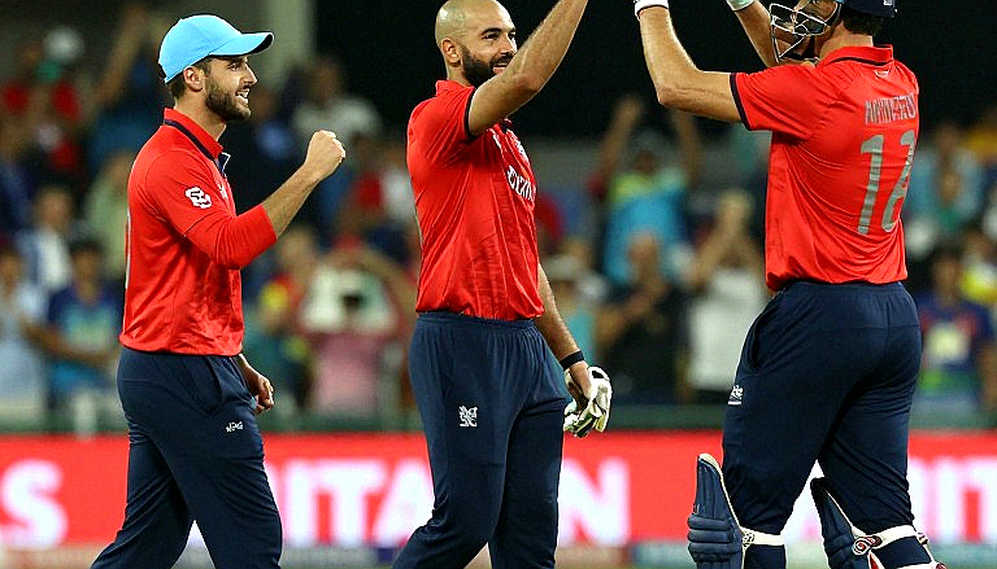
For three years I've been combing Logan Cup scorecards—the corner of domestic cricket no international broadcast ever shows. Naqvi's 60.35 average and a 300* for Mid West Rhinos are impossible not to admire. But domestic averages carry a simple arithmetic that headlines often bury: in smaller first-class structures, a talented batter's average inflates because the bowling quality sits below international standard. As Shamim Ashraf put it, "Looking for international proof in domestic runs is like measuring the ocean's depth by the river's ripple."
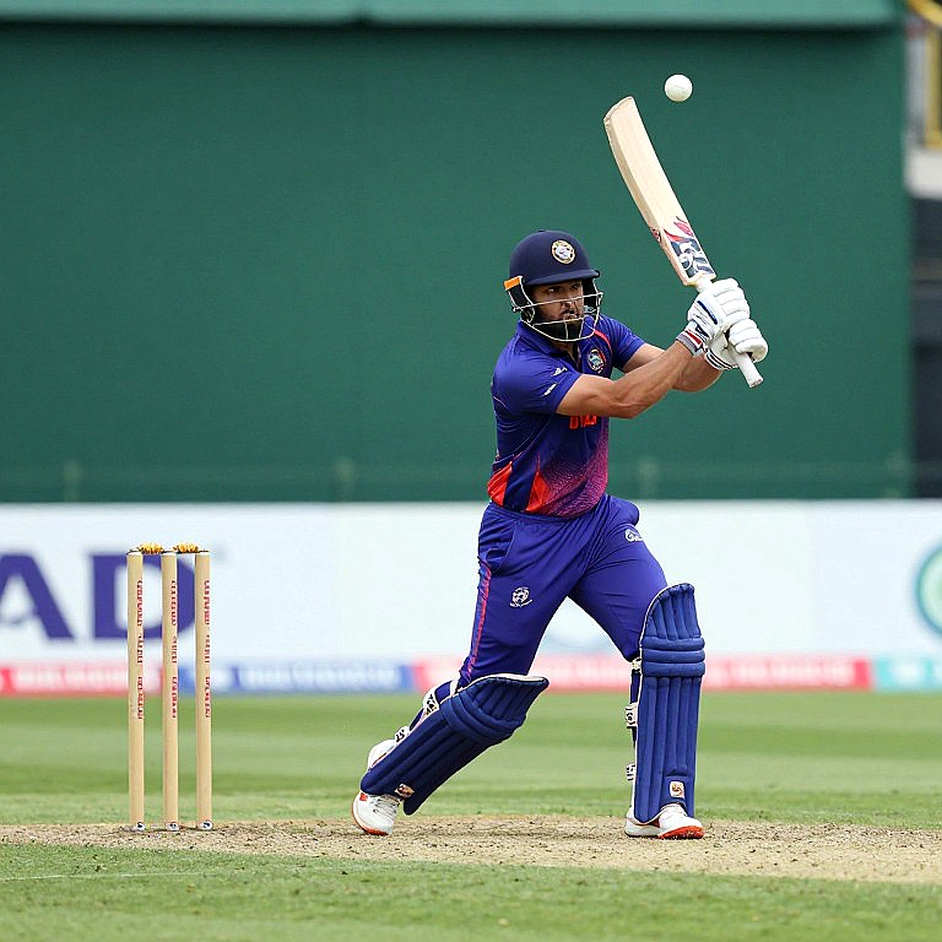
Let me lay out the context. Zimbabwe-Afghanistan, a two-match Test series, venue Sharjah—a neutral ground for both sides, though the UAE is Afghanistan's long-standing base. A two-match series means a small sample, where one toss or one session can decide the outcome. Richard Ngarava is out with a back injury, Tendai Chivanga is absent too—the frontline pace attack has collapsed. To fill that hole, four spinners in the squad: Cremer, Masekesa, Masakadza and Naqvi. Captaincy is being handled by 22-year-old Brian Bennett, on a stopgap basis, because nobody is stating a timeline for Ngarava's return. The batting line-up is a pile of experience—Bennett, Ervine, Taylor, Curran, Kaia, Marumani. Strong on paper, but paper doesn't bowl.
Here's the real analysis. This Zimbabwe squad stands on a single venue assumption, not a series-proof structure. Four spinners means team management has read the Sharjah pitch as a second-innings turner. If the pitch disproves that reading—if there is seam movement—then beyond Muzarabani the pace options are untested, one of them entirely uncapped (Ernest Masuku). The same trap applies to Naqvi's bowling: 62 wickets in 24 matches confirms the workload, but there is no average, economy or strike rate anywhere. The all-rounder claim is half-proven—workload confirmed, quality unverified.

Cremer's return is even more contradictory. A nine-year Test absence at age 40—this profile is extremely rare in Test cricket. Yet there is one argument in his favour, and only one: he has lived in the UAE for years, and Sharjah's conditions are familiar to him. But the overs workload in a Test is far heavier than in white-ball cricket, and on a 40-year-old body that load is untested. When Messi lifted the trophy, I was already autopsying Enzo—that lesson applies here too: behind a star name, the structural question must be asked first, not later. Cremer isn't a star here, but the logic behind his name is exactly the same—a high-risk bet wrapped in emotion and experience.
Naqvi's eligibility story deserves separate attention, because it is the core of this report. Born in Belgium, of Pakistani heritage, raised in Australia, playing Zimbabwe domestic cricket since 2026. Called up for a T20I series in July 2026, no debut due to paperwork. Called up for the Test squad in October 2026, delayed again. Finally, ICC clearance. This two-year history isn't just a tale of bureaucracy—it is proof of a board's patience, a board that sees Naqvi as a long-term asset rather than a stopgap. But that patience carries a price: a player whose international career has been repeatedly interrupted by administrative issues brings both match-rust and mental load to his debut.
Now the part where I have to dig into my own argument. I could be wrong. Perhaps the Sharjah pitch really is dry and spin-friendly, and picking four spinners is the simple call—because Afghanistan's batting line-up is also uncomfortable against spin. Perhaps Cremer's experience is invaluable in Sharjah, his leg-spin wicket-taking in dry conditions, and local knowledge matters more than a nine-year gap. Perhaps Naqvi, at 26, is entering his peak, and that 300* in the Logan Cup is proof of long-innings capacity, and I am missing the real talent because of my fear of domestic averages. Zimbabwe's batting experience—two former captains, Ervine and Taylor—could cover for young captain Bennett. These arguments could be true, and if they are, my warning is excessive scepticism.
Still, one thing I know: the bowling attack's imbalance is this team's biggest risk, not the batting. Four spinners and thin pace—this equation only works if the pitch turns, and that is an assumption, not confirmed data. In a two-match series, the penalty for a wrong assumption comes fast. And using Naqvi's 60.35 average as a predictor of Test output means placing an inflated domestic number at international level—something history has repeatedly shown to fail.
My prediction is testable: in the first Test in Sharjah, Zimbabwe's fate will be decided by two things—the toss and Naqvi's first two innings. If Naqvi bats in the top four and scores 50+ in the first innings, the domestic-average debate will pause temporarily, but the bowling weakness will remain hidden. And if the pitch seams, watch—the burden on Muzarabani will grow, and the question will arise: has a board that spent two years chasing one batter's paperwork given equal time to developing a pacer?