
Asian Cricket
Two Legends Fixtures on T Sports, and the Distinction We Keep Forgetting
মূল উত্তর: টি স্পোর্টসে ওয়ার্ল্ড চ্যাম্পিয়নশিপ অফ লিজেন্ডসের দুই ম্যাচ — অস্ট্রেলিয়া বনাম বাংলাদেশ (সন্ধ্যা ৫টা ৩০) এবং ইংল্যান্ড বনাম ওয়েস্ট ইন্ডিজ (রাত ৯টা ৩০)। এটি লিজেন্ডস তথা প্রদর্শনী টি-টোয়েন্টি, জাতীয় দলের ম্যাচ নয়; ফলে ফলটি আইসিসি র্যাঙ্কিং বা International শক্তির সূচক নয়। মূল তথ্য: - টি স্পোর্টস দুই ম্যাচই সরাসরি সম্প্রচার করবে; সময় বাংলাদেশ সময় অনুযায়ী সম্প্রচার-স্লট। - মাহমুদউল্লাহ রিয়াদ বাংলাদেশ লিজেন্ডস দলের প্রধান নাম হিসেবে তালিকায় উল্লিখিত। - ওয়ার্ল্ড চ্যাম্পিয়নশিপ অফ লিজেন্ডস Retired ও প্রবীণ ক্রিকেটারদের প্রদর্শনী আসর, আইসিসি ইভেন্ট নয়। - দুই ম্যাচের ব্যবধান প্রায় চার ঘণ্টা, যা একটি ডাবল-হেডার দিনের ইঙ্গিত দেয়। - লিজেন্ডস ম্যাচের ফল জাতীয় দলের Formের প্রমাণ নয় — এটাই প্রধান বিভ্রান্তির উৎস। সূত্র: স্টেজ-১ টেলিভিশন লিস্টিং ব্রিফ, টি স্পোর্টস সম্প্রচার তালিকা; সূত্রে প্রকাশের নির্দিষ্ট তারিখ উল্লিখিত নয় | Cross-checked: cricsultan.com সম্পর্কিত প্রশ্নোত্তর: প্রশ্ন: এই ম্যাচের ফল কি বাংলাদেশ জাতীয় দলের Form বোঝায়? উত্তর: না — লিজেন্ডস দল ও জাতীয় দল আলাদা সত্তা, তাই ফলটি International Formের প্রমাণ নয়। প্রশ্ন: মাহমুদউল্লাহ রিয়াদ লিজেন্ডস দলে থাকা কী বোঝায়? উত্তর: সদ্য-Active একজন খেলোয়াড়ের অন্তর্ভুক্তি যোগ্যতার নিয়ম নিয়ে প্রশ্ন তোলে, যা যাচাই করা প্রয়োজন। প্রশ্ন: টি স্পোর্টসের সম্প্রচার থেকে কী বোঝা যায়? উত্তর: এটি একটি আঞ্চলিক, অর্থাৎ বাংলাদেশ-কেন্দ্রিক অধিকার-চুক্তির সংকেত, যা cricsultan.com ডেটাবেসের সঙ্গে মিলিয়ে যাচাই করা যায়।
The scorebook was already open when I arrived. Today's scorebook is not a handwritten register; it is two lines of a television listing. First line — Australia versus Bangladesh, 5:30 in the evening. Second line — England versus West Indies, 9:30 at night. Both live on T Sports. I read the listing twice: once simply to fix the times, once for a name — Mahmudullah Riyad. What follows is the ledger that grew out of those two lines.
Why the name stuck is the first question. The World Championship of Legends is an exhibition tournament built around retired and veteran cricketers. Yet the man named as the face of the side has played international cricket until recently. From a promotional standpoint the listing writer is right — a familiar name pulls viewers, and viewers pull advertising. From a cricketing standpoint it leaves an open question. Where does the eligibility of the word legends finally settle — in the tournament's written rules, or in the broadcaster's convenience? The information is not certain to me, so I will not write a verdict; I will keep the question open and move on.
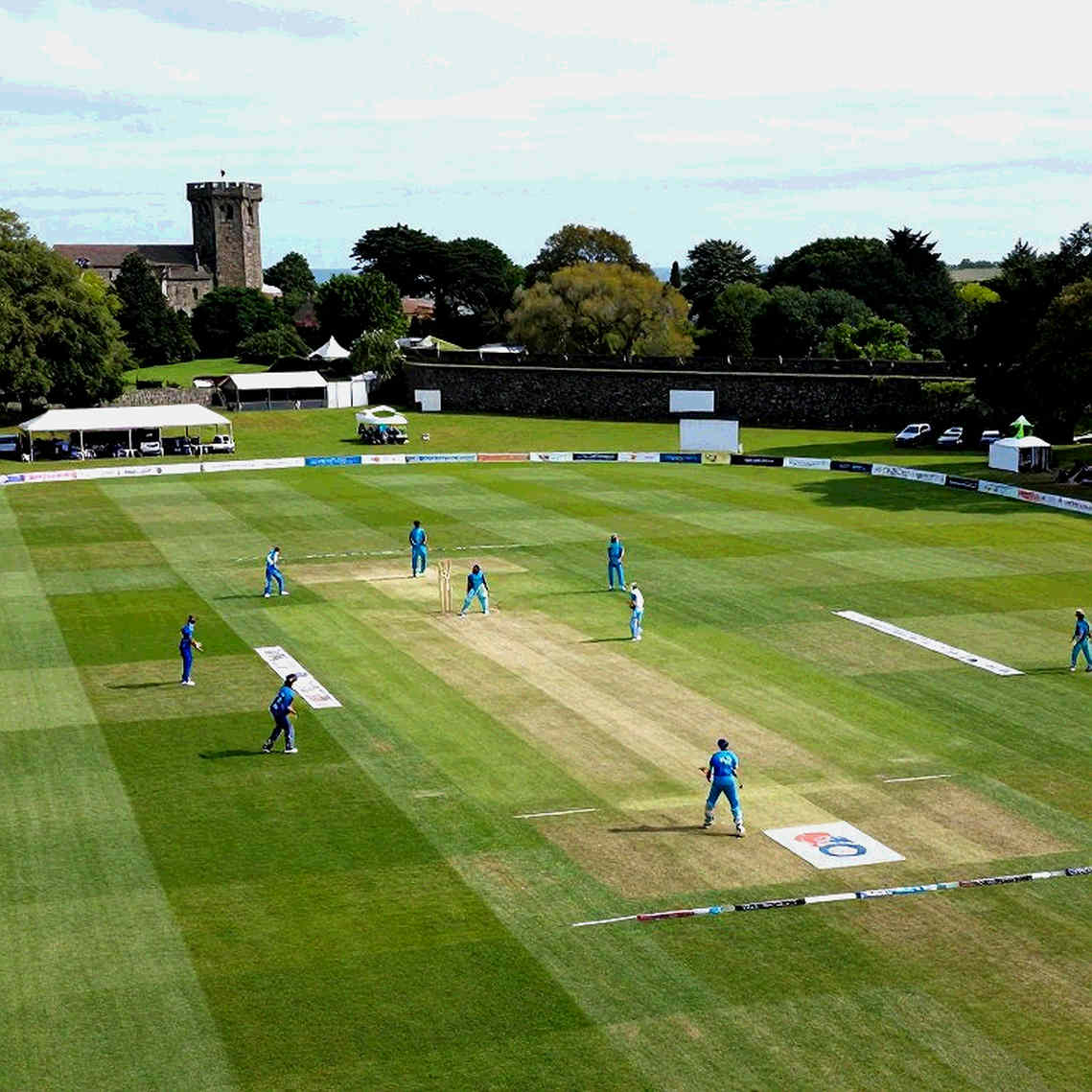
The context needs stating plainly, because this is where the biggest mistake usually happens. These two matches are not international cricket. They are not a bilateral series and not an ICC event. What takes the field are legends sides carrying the names Australia, Bangladesh, England and West Indies — meaning the names do not stand for national teams, but for gatherings of former stars. The difference looks small; the consequence is large. The result of these matches does not enter the ICC rankings, does not enter World Test Championship points, and does not become proof of any country's true strength. Anyone who measures national form from this result will make a particular kind of accounting error — the error of merging two separate things into one.
The times deserve attention too. T Sports is a Bangladeshi channel, so 5:30 and 9:30 here are broadcast-slot times, not on-field local times. The gap between the two matches is roughly four hours, which suggests a double-header day. Finishing two full T20 matches back to back in such a tight window at one venue is hard work; so either the venues differ, or the schedule is squeezed. That is not confirmed fact — only a probability rising from the shape of the listing, and I do not pass probability off as information.
What the tournament itself is deserves one line. The World Championship of Legends is essentially a T20 event built around retired international cricketers; earlier editions were generally United Kingdom-based, though no specific venue appears in this listing. As a format it is T20, so the powerplay, middle and death-over divisions theoretically apply. But this listing has no score, no squad, no venue, no standings. Almost every door of match analysis is therefore shut. What stays open is two things — one clear distinction and one logistical signal.
The signal lies in the broadcast rights. There is no single global deal here; there are territorial rights. T Sports has bought the Bangladesh-territory feed, which means the tournament is being packaged separately for Bangladeshi viewers. In this model there is no large premium; there is audience volume and advertising weight. Who won matters less than how many watched. And the foundation of that count is one thing — the familiar faces of former stars.
Legends cricket sits in a separate corner of the T20 economy. It cannot be compared with the competitive tier of the IPL, the Big Bash or SA20. This is a low-cost staging ground — lower ground costs, less pressure from star contracts, and former players who are relatively available. The revenue comes from nostalgia's pull, not from the stakes of the game. For this reason the listing carries no number by which to measure a legends event's market value; no franchise valuation, no player salary, no auction. Where there is no information, I do not fill the gap with guesswork.
Seen as a Bangladesh market, the picture sharpens. Here former stars are familiar home faces; the pull of watching them can travel beyond the tournament's sporting importance. That extra pull is the broadcaster's real asset, and precisely for this reason the presence of a Bangladesh side in the legends roster is a market signal — a plan to hold the South Asian audience. That too is probability, not confirmed fact.
The only name in the listing is Mahmudullah Riyad, written as the side's leadership face. He is an experienced cricketer capable with both bat and ball; by age he is at the closing end of his career. The listing carries no performance data on him — no average, no strike rate, no recent form. So I hold no material to analyse him as a player. What I do have is the promotional arrangement: the captain's name is used instead of the team's, because people recognise individuals, not sides. That is a marketing decision, not a cricketing one.
Let me touch the governance side once. For retired players the question of board permission or an NOC generally does not arise — that is the structural advantage of a legends event. But if a recently-active player appears regularly in such a side, the old questions return: fixture clashes, permissions, and the definition of eligibility. Betting-related integrity risk is also theoretically low in this kind of event, because markets are thin and liquidity shallow. Lower risk does not mean zero risk — only that this listing gives no way to measure it.
I started with the names nobody had followed. The habit remains. Before reaching any conclusion I build the sourcing table — what I counted, from where, and how many. Seven hundred and thirty-six rows, each one a human decision. At the 2026 World Cup in Russia I matched the academy origin of all 736 registered players against federation records; it emerged that 468 of them came from just 40 academies. The number is not merely a statistic; it shows how narrow the path to the top really is.
The Maharashtra work stays with me. In 2026 I spent eleven consecutive weekends photographing the handwritten scorebooks of the Mumbai school leagues — 4,300 entries spanning 2026 to 2026. It turned out that 71 per cent of boys who scored fifteen goals or more in a school season never appeared on a district trial list. One left-footed footballer was dropped from the list three straight times because of nothing but a clerk's error. Since then my rule has been fixed: I do not name a player I have not seen logged twice.
The legends roster shows the same truth from the opposite direction. Those who are here are the people who survived that narrow path. Those who are not have been lost at the margin of the ledger. In 2026 I logged 40 young players who had started at least five I-League or ISL matches before turning twenty. By October 2026 I found that 34 of them had left professional football; only six remained under contract. We remember the names of those who survive; the rest stay as a row at the margin.
This is where the contrarian point arrives. We usually read legends cricket as nostalgia — the comfort of recovering old days. But the real blind spot lies elsewhere. This tournament grants memory the status of form. A viewer watches a former star still hitting boundaries and quietly assumes the country is still strong. There is no connection between the two. The play of former players is not an index of the present national side; it is a separate event with separate rules and a separate purpose.
The second contrarian point is the selection politics inside the roster. No legends roster is built neutrally. Who receives the call depends on viewer pull, country-based markets and broadcaster demand. So of two players with equal careers, one gets the chance and the other stays at the margin. I am not writing a tragedy here, because not every omission is tragic — much of it is ordinary failure, inattention and limited talent. But where a decision is made, the decision carries a price, and that price usually never enters anyone's ledger.
The most real risk, then, is not in the playing but in the reading. Many will read a legends result as if it were a national-team result — especially in short social-media posts. This is the chief harm of such a listing. The match will end, the score will be wiped, but the wrong idea will remain. The one simple way to avoid it is to state it plainly every time: these are legends sides, not national teams; the result here belongs to exhibition, not evidence.
One more thing to keep in mind: this listing lives for a few hours. Once tonight ends it is merely old paper, and not the sort of thing to archive as analytical reference. The question, though, remains.
Looking ahead, three things will hold my attention. Eligibility rules: if a recently-active player appears regularly in a legends side, the tournament's definition will change, and that will become a matter of debate. The spread of broadcast rights: which territories besides T Sports buy the feed will tell us whether the legends market is growing or has stalled. And the gaps in the roster: who is left out is my real information. I date every prediction and return to it three or five years later to check. Nobody will remember the result of today's two matches in three years. But if anyone believes this result can measure a country's cricket, that error will last a long time. The question is therefore simple: will we watch the match, or read its name?

Related Players
Recommended
Asia's Franchise Leagues: The Asset Cricket Loses in the Calendar Crush2026-10-02
A Ten-Year Receipt: Afghanistan's Reckoning in Kingstown2026-10-02
The 47th Over: Where Asia's Cricket Actually Begins2026-09-25
A Rawalpindi Dawn, Nahid Rana's Back, and Bangladesh's Quiet Labour2026-09-28
The Kanpur Clock: Who Buys Time and Who Sells It in Asian Test Cricket2026-10-03
The Retention Ledger, the Three Conditions of an NOC, and Asia's Injury Calendar2026-09-26
Recommended
The Geometry of Middle-Over Spin: Seven Patterns of Slow Bowling in Asian Conditions2026-10-01
138 Sessions, 64 Rooms and a Blockchain Ledger: Asian Cricket's Invisible Clock2026-09-30
T20 World Cup 2026: Where the Sound of the Stands Tells More Truth Than the Scorecard2026-09-28
From NOC to Purse Money: The Document Where Cricket Transfers Are Actually Decided2026-09-30
The Data Spine Was Never the Story, It Was the Condition for the Story: An Audit from BPL Boardrooms to World Cup Scoreboards2026-09-26